
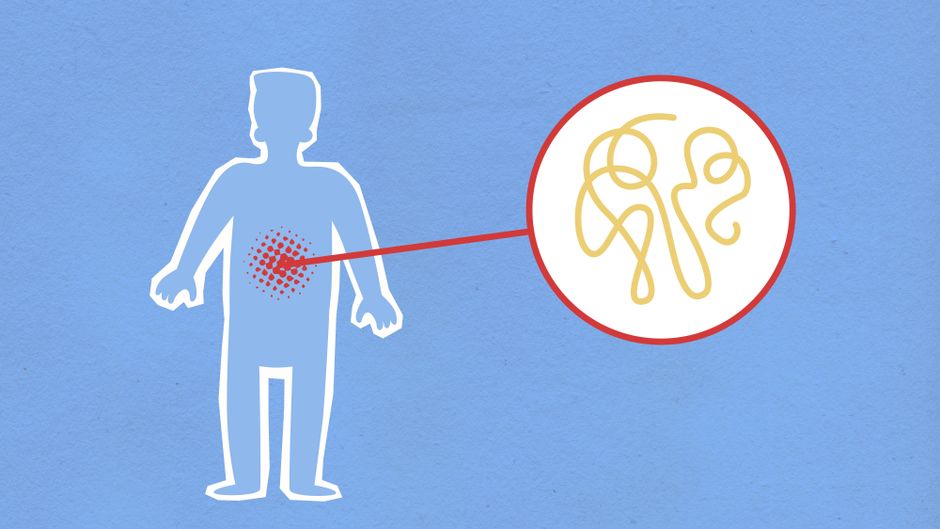
Breaking a fast is a delicate moment for your digestive system. After hours or days without food, your gut lining is sensitive, your enzyme production has slowed, and the community of bacteria in your colon is waiting for fuel. What you eat first can determine whether you feel energized or spend the next few hours bloated and uncomfortable. The safest approach is simple: start with small portions of easily digestible foods and avoid the items below that are most likely to irritate your gut.
Why Your Gut Is Vulnerable After a Fast
When you fast, your digestive tract gets a break. Your stomach produces less acid. Your pancreas slows down enzyme output. The muscular contractions that move food through your intestines become less frequent.
This is normal and healthy. But it means your system is not ready for a heavy meal. Reintroducing food too quickly, or choosing the wrong foods, can cause cramping, nausea, diarrhea, or constipation. The gut lining itself remains intact, but the digestive machinery needs time to ramp back up.
The bacteria in your colon also shift during a fast. Some populations die off while others become more abundant. When food arrives, these microbes suddenly have a feast. How they respond depends entirely on what you feed them.
Foods That Commonly Trigger Gut Distress After Fasting
Some foods are harder to digest under normal conditions. After a fast, they can be especially problematic. Here is what to avoid in your first meal.
Fried and High-Fat Foods
Fat requires bile and pancreatic enzymes to break down. After a fast, your gallbladder may not contract as efficiently and your pancreas is producing less lipase. Eating fried chicken, french fries, or a heavy fatty steak right after fasting can cause nausea, bloating, and greasy stools.
This does not mean all fat is bad. Small amounts of healthy fat from avocado, olive oil, or eggs are usually well tolerated. The problem is large quantities of fat in one sitting, especially from deep-fried foods.
Spicy Foods
Capsaicin, the compound that makes chili peppers hot, irritates the stomach lining. After a fast, the stomach lining has not been exposed to food for many hours. Introducing a heavily spiced curry or hot sauce can trigger heartburn, stomach pain, or acid reflux.
Your stomach acid production is also ramping up in response to the first bite of food. Combine that with capsaicin and you have a recipe for irritation. Save the spicy meal for later in the day once your system is back online.
Raw Cruciferous Vegetables
Broccoli, cauliflower, cabbage, and Brussels sprouts contain raffinose, a complex carbohydrate humans cannot digest. The bacteria in your colon ferment it, producing gas. After a fast, your gut bacteria are particularly active and hungry. Feeding them raw cruciferous vegetables can produce significant bloating and flatulence.
Cooking these vegetables breaks down some of the raffinose and makes them easier to tolerate. If you want vegetables in your first meal, choose cooked options like zucchini, carrots, or spinach.
High-Sugar Foods and Simple Carbohydrates
A doughnut, pastry, or sugary cereal spikes your blood sugar rapidly. This causes a large insulin release. After a fast, your body is more insulin-sensitive than usual, so the blood sugar swing can be dramatic. This can lead to a rapid drop in blood sugar later, leaving you shaky and fatigued.
Simple sugars also feed gut bacteria that produce gas. Large amounts of sugar in one sitting can cause bloating and loose stools. Choose complex carbohydrates instead, like oats, sweet potato, or quinoa.
The Problem With Dairy After a Fast
Lactose is a sugar found in milk. It requires the enzyme lactase to be digested. Many adults produce less lactase than they did as children, and this varies widely by ancestry.
After a fast, your lactase production may be temporarily lower. Drinking a large glass of milk or eating a bowl of ice cream can cause bloating, cramping, and diarrhea in people who normally tolerate dairy fine.
Fermented dairy like yogurt and kefir is often better tolerated because the bacteria in these foods produce some lactase themselves. Hard cheeses like cheddar and parmesan also contain very little lactose. If you want dairy, choose these options in small amounts.


Processed Meats and High-Protein Meals
Bacon, sausage, deli meats, and hot dogs are heavily processed. They contain additives, preservatives, and high levels of sodium. After a fast, these can irritate the gut lining and cause water retention.
A large steak or protein shake in the first meal is also a poor idea. Protein is digested slowly and requires stomach acid and pepsin. Your stomach needs time to rebuild acid production. Start with a moderate protein portion, not a protein-heavy feast.
Your body can use dietary protein efficiently after a fast, but it does not need a huge bolus all at once. A 3 to 4 ounce portion of chicken, fish, or tofu is plenty for the first meal.
Alcohol and Caffeine After Fasting
Alcohol is absorbed directly through the stomach lining. After a fast, your stomach is empty and alcohol enters your bloodstream faster. This means you feel the effects more quickly and your gut lining gets irritated more easily.
Alcohol also disrupts the gut barrier and increases intestinal permeability. This effect is stronger when the gut has been empty for many hours. Avoid alcohol in the first meal after a fast.
Caffeine is a stimulant that increases gastric acid secretion. A large coffee on an empty stomach can cause heartburn, stomach pain, and loose stools. If you normally drink coffee, a small cup with food is usually fine. A large black coffee before or during your first meal is not a good idea.
What To Eat Instead After a Fast
The best first meal after a fast is small, warm, and easy to digest. It should contain a balance of protein, complex carbohydrates, and a small amount of healthy fat.
- Bone broth or vegetable broth — gentle on the stomach and provides fluids and electrolytes
- Cooked vegetables — steamed carrots, zucchini, or spinach are easier to digest than raw
- White rice or oatmeal — simple carbohydrates that are quickly broken down
- Eggs — easily digestible protein that does not require heavy stomach acid
- Cooked fish or chicken — lean protein in a moderate portion
- Banana or applesauce — soft fruits that are gentle on digestion
Wait at least 30 to 60 minutes after your first small meal before eating more. This gives your digestive system time to restart. Then eat a normal meal if you are still hungry.
Some people follow the rule of eating half the usual portion in the first meal after a fast. This is a reasonable guideline. The key is to listen to your body. If you feel full, stop. Overeating after a fast is one of the most common causes of post-fast digestive distress.
How Long Should You Wait Before Eating Normal Meals?
There is no universal rule, but most people do well with a gradual reintroduction over several hours. Your first meal should be small. Your second meal can be normal sized. By the third meal, your digestive system is usually back to full function.
The length of your fast matters. After a 12-hour overnight fast, your gut is not in a fragile state. You can eat a normal breakfast without much concern. After a 24-hour fast or longer, the reintroduction should be more careful.
For extended fasts of 48 hours or more, some clinicians recommend starting with only liquids like broth or diluted juice for an hour or two before any solid food. This is a cautious approach that many people find helpful, though large clinical trials have not specifically tested this protocol.
Signs Your Gut Is Struggling After Breaking a Fast
Some discomfort is common when you break a fast, especially if you chose the wrong foods. But certain symptoms warrant attention.
Mild bloating and gas usually resolve within a few hours. Nausea that passes quickly is also common. These are not emergencies.
Severe abdominal pain, vomiting, or diarrhea that lasts more than a few hours is not normal. If this happens, stop eating, drink water, and rest. If symptoms persist or worsen, seek medical care.
People with pre-existing digestive conditions such as irritable bowel syndrome, gastroparesis, or inflammatory bowel disease may need to be even more careful. Their gut is already sensitive, and fasting adds an extra variable. Consulting a gastroenterologist before attempting any fast is wise for this group.
Frequently Asked Questions
Can I eat fruit right after breaking a fast?
Soft fruits like bananas and applesauce are usually well tolerated. Avoid large amounts of high-fiber fruits like berries or apples with the skin on, as these can cause bloating.
Is it safe to take probiotics after fasting?
Taking a probiotic with your first meal is generally safe and may help repopulate gut bacteria. However, no clinical evidence specifically confirms additional benefits from taking probiotics immediately after a fast.
How long should I wait before eating a full meal after fasting?
Most people do well waiting 30 to 60 minutes after a small first meal. If your fast lasted longer than 24 hours, consider waiting longer and keeping your first two meals lighter than normal.
