
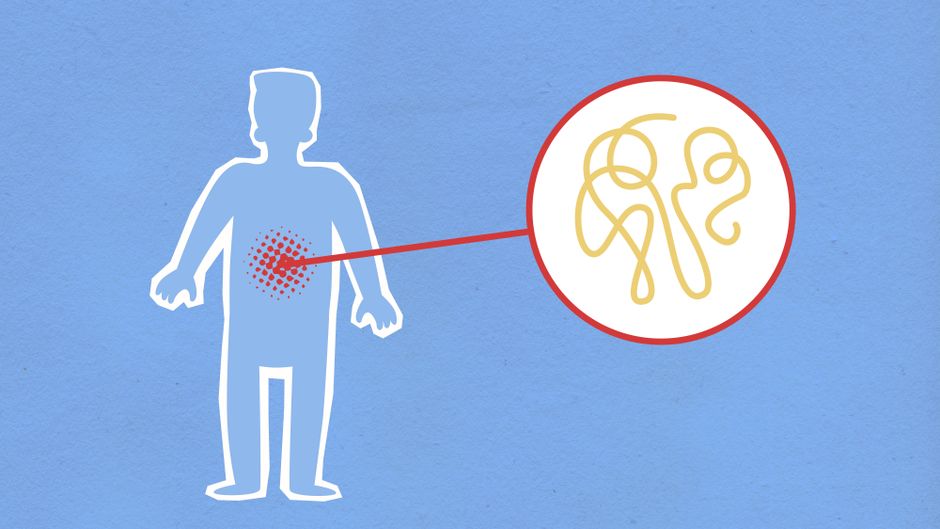
Gluten is a protein found in wheat, barley, and rye. For most people, it is harmless and digests normally. But for a small percentage of people, gluten triggers a chain reaction that can affect the gut, the nervous system, and the skin. The difference comes down to three specific conditions: celiac disease, wheat allergy, and non-celiac gluten sensitivity. Each one affects the body in a different way, and understanding which one you are dealing with matters more than the gluten itself.
What Happens in the Gut When You Eat Gluten?
In celiac disease, the body treats gluten as a threat. The immune system attacks the gluten proteins, but it also attacks the lining of the small intestine. This damages the villi — the tiny finger-like projections that absorb nutrients from food. When villi flatten or wear down, the gut cannot absorb vitamins and minerals properly. This is why untreated celiac disease often leads to iron deficiency, anemia, and weight loss.
The damage is not immediate. It builds over time with repeated exposure. Some people feel bloating, gas, and diarrhea within hours. Others have no digestive symptoms at all. That silent form of celiac disease is common, which is why diagnosis often takes years. The only reliable test is a blood test for specific antibodies, followed by an intestinal biopsy if the blood test is positive.
Non-celiac gluten sensitivity is different. There is no intestinal damage and no antibody response. People report bloating, stomach pain, and changes in bowel habits after eating gluten, and symptoms improve when they stop. But researchers still do not fully understand why this happens. Some studies suggest it may not be gluten itself but other compounds in wheat — like fermentable carbohydrates called FODMAPs — that cause the symptoms.
Can Gluten Affect Your Brain and Nerves?
Yes, but this is where the evidence gets specific. In celiac disease, neurological symptoms are well documented. The most common is gluten ataxia, a condition where the immune system damages the cerebellum, the part of the brain that controls coordination. People with gluten ataxia may have trouble walking steadily, slurred speech, or difficulty with fine motor tasks like writing.
Peripheral neuropathy is also linked to celiac disease. This causes tingling, numbness, or burning pain in the hands and feet. The mechanism is not fully clear, but it likely involves both immune attack on nerve tissue and vitamin deficiencies caused by poor absorption. In some but not all cases, a strict gluten-free diet improves or stabilizes these symptoms.
Brain fog is a commonly reported symptom in non-celiac gluten sensitivity. People describe difficulty concentrating, forgetfulness, and a feeling of mental sluggishness after eating gluten. The research here is limited. Some small studies and clinical reports describe this symptom, but no large controlled trials have confirmed a clear cause-and-effect relationship. The honest position is that brain fog is real for some people, but it is not well understood and may overlap with other conditions like fatigue or anxiety.
What Does Gluten Do to Your Skin?
The most established skin condition linked to gluten is dermatitis herpetiformis, often called the “gluten rash.” This is a direct manifestation of celiac disease. It causes intensely itchy clusters of small blisters and red bumps, typically on the elbows, knees, buttocks, and scalp. The rash is symmetrical — it appears on both sides of the body at once.
Dermatitis herpetiformis is diagnosed through a skin biopsy that looks for specific antibody deposits in the skin. The treatment is a strict gluten-free diet, which gradually clears the rash over weeks to months. Some doctors prescribe a medication called dapsone to control itching quickly, but the diet is the long-term treatment.
Other skin conditions are frequently blamed on gluten, but the evidence is weaker. Psoriasis and eczema are sometimes linked to gluten in research, but the connection is not consistent. Some people with psoriasis report improvement on a gluten-free diet, particularly if they also have celiac disease. But no large clinical trial has confirmed that a gluten-free diet treats psoriasis or eczema in people without celiac disease.





Wheat Allergy vs. Celiac Disease vs. Gluten Sensitivity
These three conditions are often confused, but they are medically distinct.
Wheat allergy is an immediate immune reaction. It involves immunoglobulin E (IgE) antibodies and typically causes hives, swelling, breathing difficulty, or anaphylaxis within minutes to hours of eating wheat. It is not the same as gluten sensitivity, and it is not a digestive disease. Wheat allergy is most common in children and many outgrow it.
Celiac disease is an autoimmune condition. It involves immunoglobulin A (IgA) antibodies and causes intestinal damage. It is lifelong and requires complete avoidance of gluten. Untreated celiac disease raises the risk of osteoporosis, infertility, and certain intestinal cancers.
Non-celiac gluten sensitivity is a diagnosis of exclusion. A doctor rules out celiac disease and wheat allergy first. If symptoms improve on a gluten-free diet and return when gluten is reintroduced, the diagnosis may be considered. There is no biomarker for it, and some researchers question whether it exists as a distinct condition at all.
What Gluten Does To Your Body Gut Nerves And Skin — The Full Picture
The three systems are connected through one pathway: inflammation. In celiac disease, gluten triggers an autoimmune response that can travel beyond the gut. The same antibodies that damage the intestine can deposit in the skin and attack nerve tissue. This is why a single protein can cause such different symptoms in different people.
For people with celiac disease, the gluten-free diet is not optional. It is a medical treatment. Even small amounts of gluten — a crumb of bread or a splash of soy sauce — can maintain the immune response and keep causing damage, even if no symptoms are felt.
For people with wheat allergy, avoidance of wheat is also essential, and emergency medication may be needed for accidental exposure.
For people with non-celiac gluten sensitivity, the approach is more nuanced. A gluten-free diet may help, but it is worth working with a doctor to rule out other causes first. Irritable bowel syndrome, small intestinal bacterial overgrowth, and fructose malabsorption can all cause similar symptoms. Going gluten-free without a proper diagnosis can mask these other conditions and delay effective treatment.
Is a Gluten-Free Diet Healthier for Everyone?
No. This is a common misconception driven by marketing more than medicine. For people without celiac disease, wheat allergy, or confirmed gluten sensitivity, there is no proven health benefit to removing gluten.
Gluten-free does not automatically mean healthy. Many commercial gluten-free products are made with refined starches like rice flour, potato starch, and tapioca. They often contain more sugar and fat than their wheat-based counterparts to improve taste and texture. A gluten-free diet can also be low in fiber, iron, folate, and B vitamins because whole wheat is a major source of these nutrients in the typical American diet.
Some research suggests that people without celiac disease who follow a gluten-free diet may actually increase their risk of nutrient deficiencies. One study published in the journal Nutrients found that gluten-free diets were often lower in fiber and higher in saturated fat. Other studies have shown similar patterns.
If you suspect gluten is causing your symptoms, do not remove it from your diet before seeing a doctor. The celiac blood test requires you to be eating gluten. If you stop gluten weeks before testing, the antibodies may not be detectable, and the test can come back falsely negative. This is one of the most common reasons celiac disease goes undiagnosed.
Frequently Asked Questions
How long after eating gluten do symptoms start?
Wheat allergy symptoms appear within minutes to a few hours. Celiac disease digestive symptoms typically start within hours to a day, while skin and nerve symptoms can take days or even weeks to develop.
Can gluten cause permanent nerve damage?
In untreated celiac disease, gluten ataxia and neuropathy can cause permanent damage if the disease goes unrecognized for years. A strict gluten-free diet can stop progression, but it does not always reverse damage that has already occurred.
Does gluten cause inflammation in everyone?
No. People without celiac disease, wheat allergy, or gluten sensitivity digest gluten normally with no inflammatory response. The immune reaction to gluten only occurs in susceptible individuals.
How do I know if I need to stop eating gluten?
See a doctor for testing before changing your diet. A blood test for celiac disease and an allergy evaluation can determine if gluten is the problem, and both require you to be eating gluten at the time of testing.
