
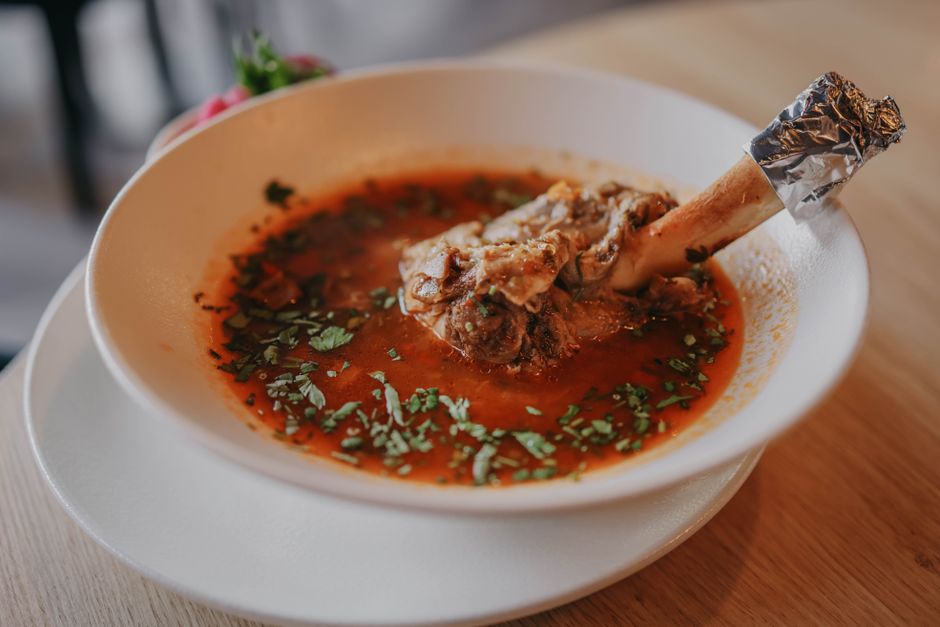
Bone broth is popular for gut health, but the science is more measured than the marketing. The key nutrients in bone broth — collagen, gelatin, and amino acids like glutamine and glycine — do play real roles in intestinal health. However, no large clinical trials have proven that drinking bone broth alone repairs a damaged gut lining. What science shows is that these components support the cells that line the digestive tract, and that a well-made broth can be a useful part of a gut-friendly diet, not a stand-alone cure.
What Is Actually in Bone Broth That Affects the Gut?
Bone broth is made by simmering animal bones, connective tissue, and often vegetables in water for 12 to 48 hours. The long cooking time pulls specific compounds out of the tissue. Three of these compounds are directly relevant to gut health: collagen, gelatin, and the amino acid glutamine.
Collagen is the most abundant protein in the human body. It provides structure to skin, tendons, ligaments, and the gut wall. When collagen is heated in water, it becomes gelatin. Gelatin is simply cooked collagen. Both forms are broken down into amino acids during digestion.
The amino acid profile matters. Bone broth is rich in glycine, proline, and glutamine. Glutamine is the primary fuel source for enterocytes, the cells that line the small intestine. Without adequate glutamine, these cells cannot regenerate as quickly. Glycine also has anti-inflammatory properties that may influence gut tissue. These are established physiological facts, not marketing claims.
How Does Bone Broth Heal The Gut What Science Says About the Intestinal Barrier
The intestinal barrier is a single layer of cells held together by tight junctions. These junctions control what passes from the gut into the bloodstream. When they loosen, larger particles can slip through. This condition is often called increased intestinal permeability, or “leaky gut” in popular media.
Science supports the idea that amino acids from bone broth can help maintain this barrier. Glutamine has been studied extensively for its role in intestinal integrity. Research consistently shows that glutamine supports tight junction function and reduces gut inflammation in certain clinical settings, particularly in patients receiving intravenous nutrition or recovering from intestinal injury.
Collagen peptides also show promise. Some studies suggest that collagen-derived peptides can stimulate the production of extracellular matrix proteins in the gut lining. This means the structural support for the intestinal wall may improve. But here is the honest limitation: most of these studies use concentrated collagen or glutamine supplements, not broth from a pot on the stove. The concentration of these amino acids in homemade broth varies widely, and no standard dose exists.
Bone broth contains these nutrients in meaningful amounts, but it is not a pharmaceutical-grade supplement. The effect of drinking one cup of broth is likely smaller than taking a targeted glutamine supplement. That does not mean broth is useless. It means expectations should be realistic.
Does Bone Broth Reduce Gut Inflammation?
Chronic inflammation in the digestive tract is a factor in conditions like irritable bowel syndrome (IBS) and inflammatory bowel disease (IBD). These are different conditions with different mechanisms. IBS is a functional disorder. IBD, which includes Crohn’s disease and ulcerative colitis, involves visible tissue inflammation.
Glycine, found abundantly in bone broth, has demonstrated anti-inflammatory effects in animal models and some human studies. It appears to modulate the activity of immune cells in the gut. Gelatin has also shown anti-inflammatory properties in animal research. Some research suggests these compounds can reduce markers of intestinal inflammation.
What the evidence does not show is that bone broth treats IBD or replaces medical therapy. No clinical trials have tested bone broth as a treatment for Crohn’s disease or ulcerative colitis. If you have an inflammatory bowel condition, broth may be a comfortable food to include, but it is not a treatment. Managing IBD requires medical supervision, and no dietary change should replace prescribed medication.
The evidence is strongest for broth as a supportive food during gut recovery, not as a primary therapy. People recovering from gastroenteritis or mild digestive upset often tolerate broth well because it is liquid, warm, and low in fiber. This is practical clinical experience, not a controlled trial finding.





What Does the Research Actually Show About Collagen and Gut Healing?
Collagen research has expanded significantly in recent years. Studies have examined collagen peptides for joint health, skin elasticity, and wound healing. The gut has received less direct research attention.
One area with genuine evidence is the role of collagen in wound healing generally. Collagen is a major component of granulation tissue, the new tissue that forms during healing. This has been demonstrated across many wound types. Extrapolating this to the gut lining is biologically reasonable, but it is extrapolation, not direct proof.
Some studies suggest that collagen peptides can influence the gut microbiome. The microbiome is the community of bacteria living in the digestive tract. Animal research indicates that collagen peptides may promote the growth of beneficial bacterial species. Human research in this specific area is limited, and results vary.
The most honest summary is this: collagen and its breakdown products play structural roles in gut tissue, and some evidence supports their use for intestinal health. But no large human trial has measured whether drinking bone broth heals a specific gut condition. Claims that bone broth “repairs leaky gut” go beyond what the current evidence supports.
How to Make Bone Broth That Maximizes Gut-Supporting Nutrients
Making broth at home is straightforward, but technique affects nutrient content. The goal is extracting the maximum amount of collagen and gelatin from the bones and connective tissue.
Use bones with connective tissue attached. Chicken feet, beef knuckles, and pork hocks are rich in collagen. Plain marrow bones provide fat and minerals but less collagen. A mix of bone types produces a more balanced broth.
Add an acid. A tablespoon of apple cider vinegar or lemon juice helps draw minerals like calcium and magnesium from the bones. This is a well-established culinary technique that also improves mineral extraction.
Simmer, do not boil. A gentle simmer between 180°F and 200°F for 12 to 24 hours for chicken, and up to 48 hours for beef bones, allows gradual extraction. Boiling can make the broth cloudy and may degrade some heat-sensitive nutrients.
The hallmark of good gelatin extraction is that the broth solidifies when refrigerated. If your broth stays liquid when cold, it has less gelatin. This is a useful visual check for collagen content.
Practical Considerations Before Adding Bone Broth to Your Diet
Bone broth is generally safe for most people. It is a food, not a drug, and it has been consumed across cultures for centuries. However, there are some practical points worth considering.
Sodium content varies widely. Homemade broth can be seasoned lightly, but commercial broths often contain significant added salt. If you have high blood pressure or kidney disease, check sodium labels carefully. One cup of commercial bone broth can contain anywhere from 300 to 600 milligrams of sodium.
Histamine is another consideration. Bone broth made from long-simmered bones can accumulate histamine, a compound involved in allergic and inflammatory responses. Some people are sensitive to dietary histamine and may experience headaches, flushing, or digestive discomfort after consuming aged or long-simmered broths. If you notice these symptoms, fresh broth is less likely to cause a reaction than broth stored for several days.
Pregnant women should follow standard food safety practices. Broth must be kept refrigerated and reheated thoroughly. No clinical guidelines currently exist for bone broth specifically during pregnancy, but it is generally considered safe when prepared and stored properly.
What Else Supports Gut Health Besides Bone Broth?
Bone broth is one piece of a larger picture. A gut-supporting diet includes adequate fiber from plant foods, fermented foods that provide beneficial bacteria, and sufficient protein overall. No single food repairs the gut.
Fiber feeds the microbiome. Bacteria in the colon ferment fiber into short-chain fatty acids like butyrate. Butyrate is the primary fuel for colon cells and supports the intestinal barrier. This is well-established science. Foods rich in fiber include vegetables, fruits, legumes, and whole grains.
Fermented foods like yogurt, kefir, sauerkraut, and kimchi introduce live bacteria. Some research suggests these foods can improve gut microbial diversity. The evidence is promising but varies by individual and by product.
Stress management and sleep also affect gut function. The gut-brain axis is a real physiological pathway. Chronic stress can alter gut motility, increase inflammation, and change the composition of the microbiome. Addressing stress is not a replacement for dietary changes, but it is part of a complete approach to gut health.
Who Should Be Cautious About Bone Broth?
Most people can include bone broth without concern. Specific groups should exercise caution.
People with kidney disease need to monitor protein and mineral intake. Bone broth contains protein and minerals like potassium and phosphorus. For someone with advanced kidney disease, this could be problematic. If you have kidney disease, discuss bone broth with your nephrologist before making it a regular part of your diet.
People with histamine intolerance may react to broth, particularly broth that has been stored or reheated multiple times. Fresh broth is less likely to trigger symptoms.
People with gout may wonder about purine content. Bones and meat contribute purines, which break down into uric acid. Some research suggests that purine-rich foods can trigger gout flares in susceptible individuals. However, the evidence on bone broth specifically is limited. If you have gout, moderate intake and monitoring your symptoms is reasonable.
Frequently Asked Questions
How long does it take for bone broth to help the gut?
No clinical evidence establishes a specific timeline for gut healing from bone broth. Some people report feeling better within days, but measurable changes to the intestinal lining likely take weeks of consistent dietary patterns.
Can bone broth cure leaky gut?
No study has confirmed that bone broth cures leaky gut. The amino acids in broth may support intestinal barrier function, but the evidence does not support calling broth a cure for increased intestinal permeability.
Is store-bought bone broth as good as homemade?
Store-bought broths vary widely in protein and collagen content. Check the nutrition label for protein per serving; higher protein generally indicates more collagen and gelatin. Homemade broth allows you to control sodium and ingredient quality.
How much bone broth should you drink per day for gut health?
No clinical guidelines currently exist for a recommended daily amount of bone broth. One to two cups per day is a common recommendation from dietitians, but this is practical guidance, not an evidence-based dosage.
