
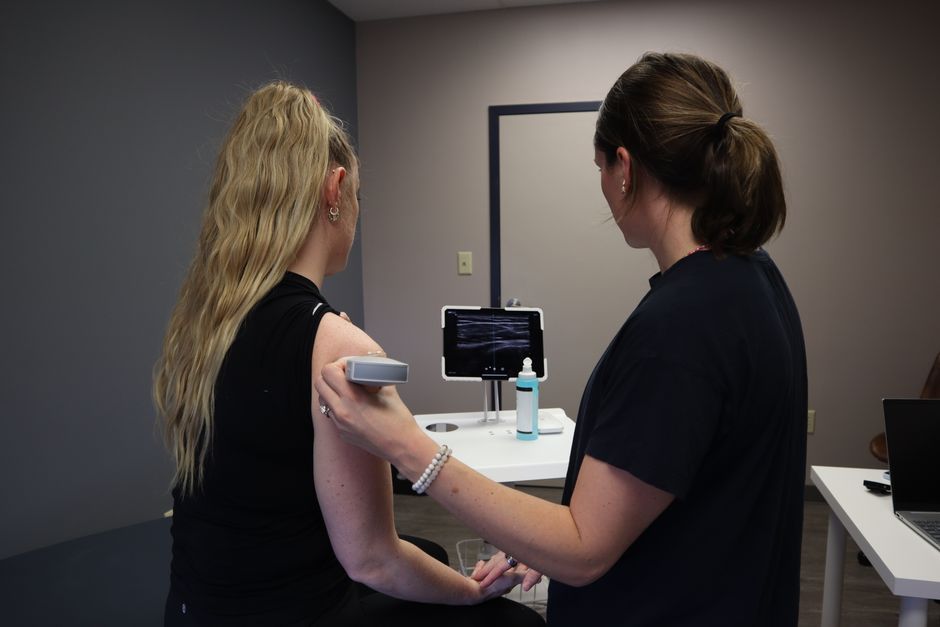
An ultrasound exam uses sound waves to create images of organs, tissues, and blood flow. Nothing you do beforehand can make the images better than the machine and the sonographer allow. But a few common mistakes can make them worse, waste your time, or lead to a repeat scan. The main things to avoid: don’t eat or drink before an abdominal scan if you were told to fast, don’t urinate right before a pelvic or bladder scan that requires a full bladder, don’t skip medications your doctor said to take, and don’t wear clothing or jewelry that blocks the area being scanned.
Most people arrive unprepared for reasons that have nothing to do with carelessness. The instructions are brief, easy to misread, and often given days in advance. Knowing why each rule exists helps you follow the ones that matter and not worry about the ones that don’t.
What Not To Do Before An Ultrasound Exam?
The single biggest mistake is ignoring the specific prep instructions you were given. Ultrasound preparation is not universal. It depends entirely on which body part is being examined.
An abdominal ultrasound to look at the liver, gallbladder, pancreas, or aorta usually requires fasting for several hours beforehand. Food in the stomach and gas in the bowel can obscure these organs. A pelvic or bladder ultrasound often requires the opposite: a full bladder, because a full bladder pushes other structures into a clearer position and gives the sonographer a window to see through.
So the same rule can be wrong for a different scan. Someone who fasts before a pelvic scan may arrive with an empty bladder and be asked to sit and drink water until it fills. Someone who eats a full breakfast before an abdominal scan may be turned away and rescheduled.
Read the instructions for your specific exam. If they are unclear, call the imaging center and ask. That one phone call prevents most of the problems described below.
Should You Fast Before an Ultrasound?
Only if you were told to. Fasting is a real requirement for some abdominal scans and completely unnecessary for others.
When fasting is required, the usual instruction is to avoid food for a set number of hours before the appointment. Water is often allowed, and sometimes encouraged. The reason is practical: eating triggers digestion, which fills the stomach with food and the bowel with gas. Both can block the sound waves and reduce image quality, particularly for the gallbladder and pancreas.
What you should not do is guess. If your instructions say nothing about fasting, do not assume you should skip meals. Arriving weak or lightheaded from unnecessary fasting helps no one. If you have diabetes and the fasting instruction conflicts with your medication schedule or your need to eat, call the imaging center before the appointment. They can tell you how to handle it, and your prescribing clinician can advise on medication timing.
Why Does a Full Bladder Matter for Some Scans?
A full bladder is a tool, not a formality. For pelvic ultrasounds, it lifts the uterus or prostate into a better viewing position and creates a clear path for sound waves.
The mistake here is emptying your bladder right before the exam, or arriving without having followed the drinking instructions. If the bladder is empty, the sonographer may not be able to get the images needed and you may be asked to drink water and wait.
Do not overdo it either. Drinking far more than instructed can cause real discomfort during the exam, when the sonographer presses on your lower abdomen. Follow the amount and timing you were given rather than drinking as much as possible.


Can You Eat, Drink, or Take Medications Beforehand?
Take your medications unless a clinician specifically told you to hold them. Skipping a blood pressure pill, a heart medication, or a seizure medication before a routine imaging appointment is a bigger risk than any effect on the scan.
Food and drink depend on the exam, as covered above. For scans that do not require fasting, there is generally no need to restrict anything.
One area where people commonly hesitate is contrast. Some ultrasound exams use a contrast agent, and some do not. If your appointment involves contrast, tell the staff about any known allergies and about kidney problems. Ask whether any medication adjustments are needed. Do not make that decision on your own.
What Should You Wear and Bring to an Ultrasound?
Wear loose, comfortable clothing in two pieces. A separate top and bottom let the sonographer access the abdomen, pelvis, or chest without you undressing more than necessary.
Leave jewelry and metal accessories at home when you can. Metal does not interfere with ultrasound the way it does with some other imaging, but removing it saves time and avoids losing it in a changing room. Avoid lotions, creams, or powders on the area being scanned. They can affect how well the gel and probe connect with your skin.
Bring your order or referral if you have one, a list of your medications, and your insurance information. If you have had previous imaging of the same area, mention it. Prior images give the radiologist a baseline for comparison, which can matter a great deal.
Should You Skip Caffeine or Smoking Before a Scan?
There is no universal rule against caffeine or smoking before an ultrasound. Some imaging centers suggest avoiding them before certain abdominal scans because they can increase gas or affect the stomach, but this is not a standard requirement across all exams.
The honest position: the evidence for these restrictions is limited and the guidance varies by center. If your instructions mention it, follow them. If they don’t, you don’t need to worry about it.
What Else Can Wreck an Ultrasound Appointment?
Arriving late is the most common avoidable problem. Ultrasound appointments are scheduled in tight blocks, and a late arrival can mean a shortened exam or a rescheduled one.
Other things to avoid:
- Not mentioning that you are pregnant or might be. This changes how the exam is performed and what is looked for.
- Leaving out relevant medical history, such as prior surgery in the area, implants, or a history of blood clots.
- Bringing young children without another adult to watch them during the exam.
- Assuming the scan is complete when the sonographer stops talking. Silence during a scan usually means concentration, not bad news.
One clarification worth knowing: ultrasound is generally considered safe and does not use ionizing radiation, which is why it is commonly used in pregnancy. That does not mean preparation is optional. The quality of the images still depends on how well you followed instructions.
How Should You Prepare Mentally for the Results?
An ultrasound is a snapshot, not a final answer. The sonographer captures images and a radiologist interprets them, often after you have left. Many centers do not give results at the appointment.
Do not read the screen over the sonographer’s shoulder and try to interpret it. The images look nothing like a finished report, and guessing at what you see causes unnecessary fear. Ask when and how you will receive results, and who will explain them. That is the useful question to bring.
Frequently Asked Questions
Can I pee before an ultrasound?
Only if your instructions do not require a full bladder. For pelvic and bladder scans, emptying your bladder beforehand can prevent the sonographer from getting clear images.
Do I need to fast for an ultrasound?
Only if the imaging center told you to. Fasting is commonly required for abdominal scans of the gallbladder, liver, and pancreas, but not for most other ultrasounds.
Can I drink water before an abdominal ultrasound?
Often yes, and some centers encourage it. Follow the specific instructions you were given, since water allowances vary by exam and facility.
Can I take my medications before an ultrasound?
Yes, unless a clinician specifically told you to hold them. Do not skip routine medications like blood pressure or heart drugs without medical advice.
