
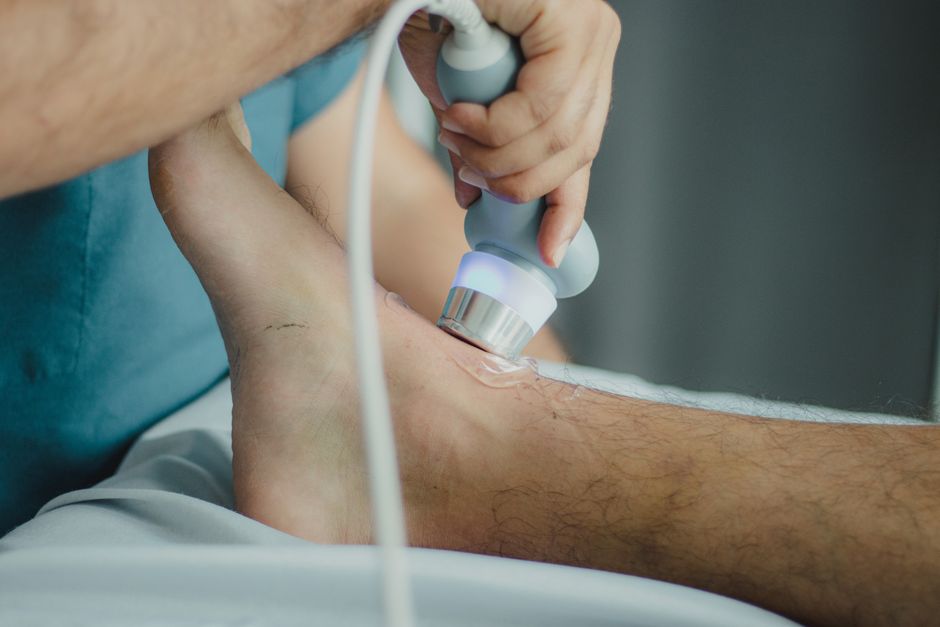
Imagine a leak so small you cannot see it, hear it, or feel it. Yet it is costing you money or wasting a precious resource. Ultrasound leak detection finds these hidden problems by listening to sounds that are too high-pitched for the human ear. Technicians use a device that picks up the ultrasonic noise a leak makes as gas or liquid escapes under pressure. The device translates this sound into a signal the user can hear through headphones or see on a screen. This method is fast, non-invasive, and works on pressurized systems without shutting them down.
How Does Ultrasound Leak Detection Actually Work?
Every leak creates turbulence. When a gas or liquid forces its way through a small opening, the molecules rub against each other and the edges of the crack. This friction generates sound waves at frequencies above 20 kHz, which is the upper limit of normal human hearing. Ultrasound detectors capture these high-frequency sounds using a special microphone called a transducer.
The device filters out low-frequency background noise from machinery, footsteps, and conversations. What remains is a clean signal of the leak’s sound. The technician can hear it through headphones or watch a visual meter that shows the signal strength. Some advanced units also display the frequency spectrum so the user can tell the difference between a real leak and a false alarm like a bearing noise or electrical discharge.
This technology works best on pressurized systems. The higher the pressure difference between the inside and outside of the pipe or tank, the stronger the ultrasonic signal. For compressed air systems running at 100 psi, a pinhole leak can be detected from several feet away. For low-pressure systems, the technician may need to get closer or use a contact probe that touches the pipe surface.
What Types of Leaks Can Ultrasound Find?
Ultrasound detection is most commonly used for compressed air and gas leaks. According to the U.S. Department of Energy, a single 1/8-inch hole in a 100 psi compressed air line can waste over $1,200 per year in electricity costs. Facilities that run compressed air systems around the clock often recover the cost of an ultrasound detector within weeks of finding and fixing the worst leaks.
Steam traps are another major application. A stuck-open steam trap wastes heat and water. Ultrasound can tell a technician whether the trap is operating correctly by listening for the characteristic sound of steam versus condensate passing through. This is faster and more accurate than temperature measurements alone.
Vacuum systems also benefit. A vacuum leak lets air into a sealed system, ruining the process. Ultrasound detectors can find these leaks because air rushing into a vacuum creates turbulence just like air rushing out of a pressure system. The technician simply switches the device to vacuum mode, which adjusts the sensitivity for the lower pressure difference.
Liquid leaks are harder to detect with ultrasound. Water dripping from a pipe at low pressure may not create enough turbulence to generate a strong signal. However, high-pressure hydraulic systems and fuel lines often produce detectable ultrasonic noise. For most plumbing leaks in homes, other methods like thermal imaging or dye testing work better.
How Is Ultrasound Used In Leak Detection Compared to Other Methods?
| Method | Best For | Requires Shutdown? | Detection Speed | Skill Level Needed |
|---|---|---|---|---|
| Ultrasound | Pressurized gas, compressed air, steam traps, vacuum | No | Fast — scan large areas quickly | Moderate — training in sound interpretation |
| Soap bubble test | Small accessible gas lines, fittings | No | Slow — must spray each joint | Low — anyone can see bubbles |
| Electronic gas sniffer | Refrigerant leaks, natural gas | No | Moderate — must follow concentration gradient | Moderate — calibration and sensor care |
| Thermal imaging | Steam, hot water, insulation gaps | No | Fast — visual temperature map | Moderate — interpreting thermal patterns |
| Pressure decay test | Sealed systems, tanks, pipelines | Yes — must isolate and pressurize | Slow — wait for pressure to drop | High — understanding pressure and volume |
The table shows why ultrasound is popular for industrial maintenance. It does not require shutting down equipment. It scans large areas quickly. And it works on systems that are already running. The main trade-off is that the technician must learn to interpret the sounds. A bearing that is wearing out can sound similar to a leak to an untrained ear.





What Equipment Do You Need for Ultrasound Leak Detection?
The core tool is an ultrasonic detector. These range from simple handheld units that display signal strength on a bar graph to advanced digital devices that record audio, show frequency spectrums, and log data for reports. Prices start around $500 for a basic model and go above $5,000 for professional industrial units.
Most detectors come with two types of probes. A contact probe is a metal rod that touches the pipe or equipment surface. It picks up vibrations from internal leaks, bearing wear, and valve problems. An airborne probe has a directional microphone that listens for sounds traveling through the air. This is what you use to scan a pipe or fitting from a distance.
A good pair of noise-canceling headphones is essential. The ultrasonic signal is translated into an audible frequency, usually around 200-400 Hz, so the technician can hear it. Without quality headphones, background noise in the facility will drown out the leak sound.
Some technicians also use a parabolic dish attachment. This is a curved reflector that focuses sound waves onto the microphone, similar to how a satellite dish focuses radio waves. It extends the detection range significantly, allowing a technician to scan overhead pipes or high ceilings from the floor.
What Are the Limitations of Ultrasound Leak Detection?
Ultrasound detection has real limits that honest technicians acknowledge. It does not work well on non-pressurized systems. A water pipe that is not under pressure will not produce a detectable ultrasonic signal. For the same reason, it is poor at finding leaks in drainage pipes or open channels.
Background noise can interfere. In a loud factory with multiple machines running, the ultrasonic detector may pick up false signals from bearings, gears, or electrical arcs. Experienced technicians learn to distinguish these sounds, but it takes practice. Some modern units have frequency filtering that helps separate leak sounds from mechanical noise.
The technique also cannot tell you the exact size of a leak. It can tell you that a leak exists and roughly where it is. But estimating the flow rate requires additional calculations based on pressure, hole size, and gas type. Some advanced detectors include software to estimate this, but the accuracy depends on the user’s input.
There is no clinical evidence that ultrasound detectors can find leaks inside walls or underground from the surface. The sound does not travel through solid materials like concrete or soil well enough. For buried pipes, other methods like acoustic listening rods or tracer gas are more reliable.
Common Misconceptions About Ultrasound Leak Detection
A widespread myth is that ultrasound detectors can find any leak anywhere. This is not true. As explained, they require a pressure difference and work best on gas systems. Many people also believe the devices are automatic and do not require training. In reality, interpreting the signals correctly takes practice. A beginner may spend hours scanning a system and miss a leak that an experienced technician finds in minutes.
Another misconception is that ultrasound is only for industrial use. Small handheld units are available for homeowners and small business owners. A basic detector can help find air leaks in car tires, inflatable pools, or home compressed air systems. The same principle applies — listen for the high-frequency hiss that your ears cannot hear.
Some people think ultrasound detection damages pipes or equipment. It does not. The device only listens. It sends out no energy or signal. It is completely passive and safe for all materials including plastic, copper, and steel.
What to Avoid When Using Ultrasound for Leak Detection
Do not rely on ultrasound alone for a complete leak inspection. Combine it with other methods for the best results. For example, use ultrasound to scan a large area quickly and then use a soap bubble test to confirm the exact location of a gas leak. This two-step approach saves time and reduces false positives.
Avoid using ultrasound in areas with extreme noise without proper filtering. A jet engine test cell or a stamping press area will overwhelm most detectors. In these environments, wait for quieter periods or use a contact probe on the pipe surface instead of an airborne probe.
Do not skip training. Reading the manual is not enough. Many equipment manufacturers offer half-day training courses. Some community colleges and trade schools also include ultrasound detection in their maintenance programs. Investing in training pays for itself quickly by reducing false alarms and missed leaks.
Finally, do not expect ultrasound to find leaks in systems that are not running. A pipe that is shut off and depressurized will not produce any sound. The system must be under normal operating pressure for the method to work.
Frequently Asked Questions
Can ultrasound leak detection find water leaks?
It can find high-pressure water leaks but not low-pressure plumbing leaks. For most household water leaks, thermal imaging or acoustic listening sticks are more reliable.
Do I need special training to use an ultrasonic leak detector?
Basic operation is simple, but effective use requires training to distinguish leak sounds from mechanical noise. Many manufacturers provide short training courses.
How far away can an ultrasonic leak detector sense a leak?
Range depends on pressure and leak size. A large compressed air leak at 100 psi can be detected from 30 feet away. A tiny leak may need the probe within a few inches.
Is ultrasound leak detection safe for all pipe materials?
Yes. The device only listens and sends out no energy. It is safe for metal, plastic, copper, and all other pipe materials.
