
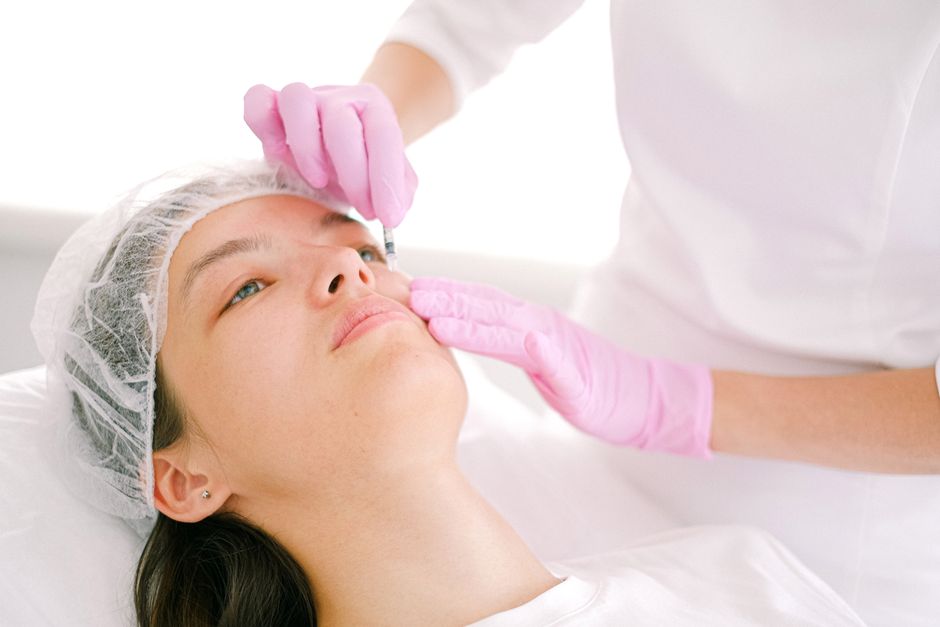
Botox injections are a common cosmetic procedure, but the results are not immediate. What you do in the first 24 to 48 hours after your appointment can directly affect how well the product settles into your muscles. The main rule is simple: avoid anything that increases blood flow to your face, applies pressure to the treated areas, or involves lying down for several hours. Following the correct aftercare helps prevent the toxin from migrating to unwanted areas and reduces the risk of bruising or swelling.
Why Do the First 24 Hours Matter So Much?
Botox is a purified protein that is injected directly into specific muscles. It works by blocking the nerve signals that tell those muscles to contract. The product needs time to bind to the nerve endings at the injection site. This binding process takes a few hours.
If you increase your heart rate or blood pressure shortly after the injections, you increase blood flow to your face. This can potentially move the Botox away from the exact spot it was placed. Similarly, lying down or bending over can change the pressure in your head and face, which may also encourage the product to spread to nearby muscles. If Botox migrates, it can cause temporary weakness in muscles you did not want to treat, such as a drooping eyelid.
Can I Lie Down or Bend Over After Botox?
No. You should remain upright for at least four hours after your injections. This is one of the most important rules.
Lying flat increases the risk of the Botox spreading to other muscles. For example, if you get Botox in your forehead and then lie down immediately, the product could drift downward toward your eyebrows or eyelids. This can cause a heavy brow or a droopy eyelid that lasts for several weeks. Bending over to tie your shoes or pick something up off the floor has the same effect. Stay upright and keep your head elevated until the four-hour mark has passed.
Should I Avoid Exercise After Botox?
Yes. Skip the gym for at least 24 hours. This includes cardio, weightlifting, and hot yoga.
Exercise raises your heart rate and blood pressure. This increases circulation to your face, which can disperse the Botox before it has fully attached to the nerve endings. Strenuous activity also makes you sweat. Sweat can irritate the injection sites and increase the risk of infection, though this is less common. The primary concern remains the risk of the product moving to an unintended area. Light walking is generally acceptable, but anything that makes you breathe hard or break a sweat should wait a full day.




Is It Safe to Touch or Massage the Injection Sites?
Do not touch, rub, or massage the treated areas for at least 24 hours. You should also avoid any facial treatments that involve pressure.
Massaging the area can physically push the Botox into neighboring muscles. This is a direct way to cause the product to migrate. This rule includes resting your chin on your hand, wearing a tight hat or headband, and even aggressive face washing. When you wash your face, use a gentle touch and pat the skin dry rather than rubbing it. Makeup application is generally allowed after a few hours, but be gentle and avoid pressing hard on the injection points.
What About Alcohol and Blood Thinners?
You should avoid alcohol for at least 24 hours after your appointment. Alcohol acts as a blood thinner and can increase the risk of bruising at the injection sites.
Many clinicians also recommend avoiding medications like aspirin and ibuprofen before and after treatment for the same reason. These drugs interfere with blood clotting and make you more likely to develop visible bruises. If you take a blood thinner for a medical condition, do not stop taking it without speaking to your prescribing doctor first. The risk of bruising is cosmetic, but the risk of stopping a necessary medication is medical. Discuss your full medication list with your injector before your appointment.
Can I Get Other Facial Treatments Right Away?
No. Avoid facials, chemical peels, microdermabrasion, and laser treatments for at least two weeks.
These procedures apply pressure, heat, or chemicals to the skin. Any of these can disrupt the Botox or increase the risk of side effects. Heat is a particular concern. Saunas, steam rooms, and hot tubs should also be avoided for the first 24 to 48 hours. The heat dilates your blood vessels and increases blood flow, which can reduce how long the Botox lasts or cause it to spread. If you have a regular skincare routine, ask your injector when it is safe to resume your specific treatments.
How Long Before I See Results and What Is Normal?
Botox does not work instantly. You will not see the full effect for about 7 to 14 days.
It is normal to see a small red bump at each injection site immediately after. This usually fades within 30 minutes. Some people develop slight bruising or swelling, which typically resolves within a few days. Do not judge the results on day one or day two. The muscles gradually relax over the first week and a half. If you have concerns about asymmetry or a lack of effect, wait until the two-week mark before calling your provider. This is when the final results are visible, and any touch-up treatments would be considered.
What Should I Do If I Notice a Droopy Eyelid or Other Problem?
Contact your injector. A droopy eyelid or eyebrow is a rare but possible side effect of Botox.
This happens when the product spreads to a muscle that controls the eyelid. It is usually temporary and resolves on its own as the Botox wears off over several weeks. There are prescription eye drops that can help temporarily improve the appearance of a droopy eyelid. Do not try to fix it yourself with massage or heat. This can make the problem worse. If you experience difficulty breathing, difficulty swallowing, or weakness in other parts of your body, seek medical attention immediately. These symptoms are extremely rare but require urgent care.
Does Sun Exposure Affect My Botox Results?
Direct sun exposure is not a primary risk for migration, but it can irritate the skin. The injection sites are small puncture wounds, and sunburn on those areas can cause inflammation.
More importantly, sun damage is a long-term cause of wrinkles. Protecting your skin from the sun every day, not just after Botox, helps maintain the results. If you are going outside in the first 24 hours, use a gentle sunscreen and a wide-brimmed hat. Avoid intense heat from direct sun exposure for the first day. The main aftercare rules remain focused on staying upright, avoiding exercise, and not touching the area.
When Can I Resume My Normal Routine?
Most normal activities can resume after 24 hours. This includes work, light social activities, and gentle skincare.
Strenuous exercise and heat exposure should wait at least 24 to 48 hours. More invasive facial treatments should wait two weeks. The key is to listen to your body and follow the specific instructions your injector gives you. They know the exact product, dosage, and injection sites they used, so their advice is more specific than general guidelines. If you are ever unsure about an activity, it is safer to wait an extra day than to risk a poor result.
Frequently Asked Questions
Can I wear makeup after getting Botox?
Yes, you can usually wear makeup after a few hours, but apply it gently.
Avoid pressing or rubbing the injection sites to prevent the product from moving.
How long do I have to stay upright after Botox?
Stay upright for at least four hours after your injections.
This includes avoiding lying down, bending over, or resting your head on a pillow.
When can I exercise after Botox?
Wait at least 24 hours before doing any strenuous exercise.
Cardio and weightlifting raise your blood pressure and can cause the Botox to spread.
Can I drink alcohol after getting Botox?
You should avoid alcohol for at least 24 hours after treatment.
Alcohol increases the risk of bruising and can affect your results.
