
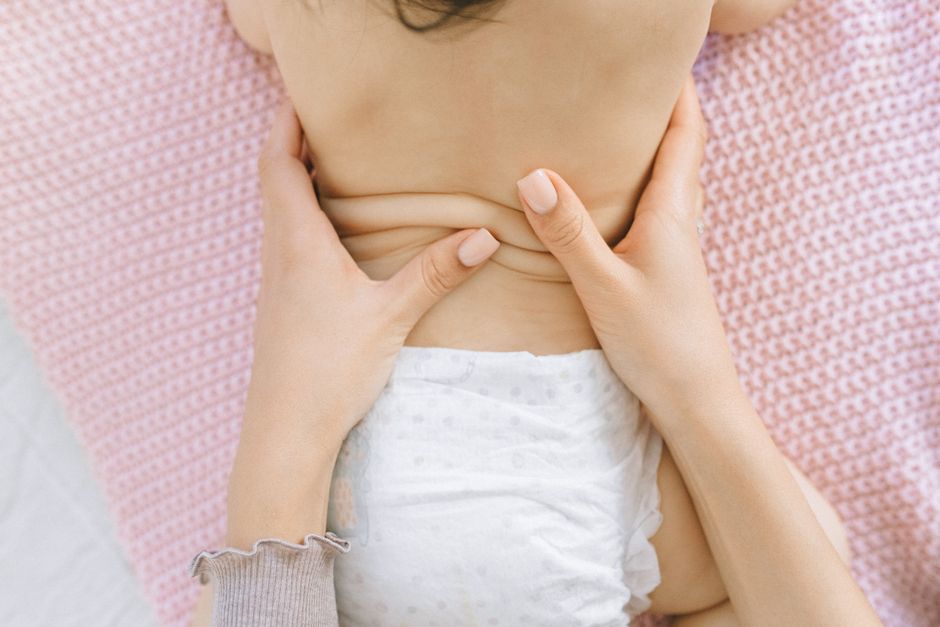
Yes, a bath can help diaper rash, and for most babies, it is one of the safest and most effective ways to start treatment. A lukewarm bath gently cleanses the skin, removes irritants like urine and stool, and soothes the inflamed area. The key is doing it right: use plain warm water, skip the soap on the affected area, and pat the skin dry instead of rubbing.
Does A Bath Help Diaper Rash How To Do It Right
A bath helps diaper rash because it cleans the skin without the friction of wipes. When a diaper rash develops, the skin barrier is already damaged. Rubbing it with a wipe can make the irritation worse. A bath gives you a chance to rinse away the irritants gently and completely.
Warm water alone can calm inflamed skin. It also softens any dried stool that might be stuck to the skin, so you do not have to scrub. The goal is to remove what is irritating the skin, not to treat the rash with anything harsh.
Baths also give the diaper area time to air out. Moisture trapped against the skin makes diaper rash worse. A few minutes outside the diaper during and after a bath helps the skin dry and start healing.
What Causes Diaper Rash In The First Place
Diaper rash is usually caused by prolonged contact with urine and stool. The skin under a diaper stays moist, which weakens its natural barrier. Friction from the diaper itself can also damage the skin, especially when the diaper is tight or the baby is moving a lot.
Sometimes diaper rash is caused by a yeast infection. This happens when the skin barrier is already broken and a fungus called Candida grows in the warm, moist environment. Yeast rashes look different from regular irritation. They are often bright red, have distinct borders, and may show small red dots or satellite lesions around the main rash.
New foods, antibiotics, or diarrhea can also trigger diaper rash. Antibiotics change the balance of bacteria on the skin, which can allow yeast to overgrow. Diarrhea brings more moisture and digestive enzymes into contact with the skin, which is more irritating than normal stool.
How To Give A Diaper Rash Bath Step By Step
Start with a clean tub or baby bathtub. Fill it with lukewarm water. The water should feel neutral on your wrist — not hot, not cold. Hot water can further irritate already inflamed skin.
Place your baby in the bath and let them sit for five to ten minutes. This is enough time for the water to soften and rinse away irritants. You do not need to soak for a long time. Extended soaking can actually dry out the skin.
Use your hand or a soft washcloth to gently rinse the diaper area. Do not scrub. If there is stubborn stool, let the water soften it first, then let it rinse away. Avoid soap on the rash itself. If you use soap at all, choose a mild, fragrance-free cleanser and only use it on areas that are not rashy.
After the bath, lift your baby out and pat the diaper area dry with a clean, soft towel. Patting is important. Rubbing removes the top layer of skin cells and makes the rash worse. Make sure the skin is completely dry before putting on a new diaper.
Let your baby go diaper-free for a few minutes after the bath. Air exposure helps dry the skin and speeds healing. If the room is warm enough, letting them crawl or play on a towel without a diaper for ten to fifteen minutes is even better.




What To Put On The Skin After The Bath
Once the skin is dry, apply a thick layer of diaper cream or ointment. The best choice is a product with zinc oxide. Zinc oxide acts as a barrier that keeps moisture away from the skin. It also has mild soothing properties.
Petroleum jelly is another good option. It creates a strong moisture barrier and is generally well tolerated. Some parents prefer it because it is simple and has no added ingredients that might irritate sensitive skin.
Do not use powders, especially cornstarch-based powders. Cornstarch can feed yeast if a yeast infection is present. Talcum powder has been linked to respiratory concerns and is not recommended. Skip powders entirely and stick with ointments or creams.
If the rash does not improve after two to three days of bathing, drying, and applying barrier cream, see a doctor. You may need a specific treatment. For yeast rashes, doctors often recommend an antifungal cream. For severe inflammation, a low-strength hydrocortisone cream may be prescribed. Do not use hydrocortisone on a diaper rash without a doctor’s guidance, as it can make a yeast infection worse.
How Often Should You Bathe A Baby With Diaper Rash
Once a day is usually enough. A daily bath keeps the area clean without over-drying the skin. Some babies with severe rashes benefit from two baths a day, especially if stool is frequent.
Between baths, clean the diaper area with warm water and a soft cloth. Avoid wipes that contain alcohol, fragrance, or preservatives. If you use wipes, choose ones labeled fragrance-free and alcohol-free, or use plain water wipes.
Change diapers frequently. A wet or soiled diaper should be changed as soon as you notice it. The longer urine or stool stays against the skin, the more damage it does. During a diaper rash flare-up, checking the diaper every one to two hours during the day is reasonable.
When A Bath Is Not Enough
Some diaper rashes do not respond to bathing and barrier creams. If the rash is bleeding, oozing, or has open sores, stop home treatment and contact a doctor. These signs can indicate a bacterial infection that needs medical attention.
If your baby develops a fever along with the rash, call your doctor. Fever with a diaper rash can signal an infection. If the rash spreads beyond the diaper area, that is another reason to seek medical advice.
Persistent rashes that last more than a few days despite good care should be evaluated. The rash may be caused by a food allergy, a reaction to a new product, or a skin condition that needs a different approach. A doctor can identify the cause and recommend the right treatment.
Common Mistakes To Avoid
Do not use hot water. Hot water strips natural oils from the skin and increases irritation. Lukewarm is always the right choice.
Do not use bubble bath or bath oils in a diaper rash bath. These products contain fragrances and chemicals that can burn already irritated skin. Plain water is safest.
Do not rub the skin dry. Patting is gentler and preserves the skin barrier. Rubbing with a towel can remove healthy skin cells and make the rash worse.
Do not apply diaper cream on wet skin. The cream will not form a proper barrier if the skin is damp. Dry the skin fully first, then apply a thick layer.
Do not skip the air time. Air drying is one of the most effective parts of diaper rash treatment. Even five minutes without a diaper helps.
Frequently Asked Questions
Can I use soap in the bath for diaper rash?
Avoid soap on the rash itself. Use plain warm water to rinse the area, and if soap is needed elsewhere on the body, choose a mild fragrance-free cleanser and keep it away from the inflamed skin.
How long should the bath last for diaper rash?
Five to ten minutes in lukewarm water is enough to clean the skin and soothe irritation. Longer soaks can dry out the skin and delay healing.
Should I air dry my baby after a diaper rash bath?
Yes, allow a few minutes of diaper-free time after patting the skin dry. Air exposure helps keep the area dry, which is essential for healing a diaper rash.
What is the best cream to use after a diaper rash bath?
Zinc oxide ointments are the most effective barrier creams for diaper rash. Apply a thick layer on completely dry skin after the bath to protect the area from moisture.
