
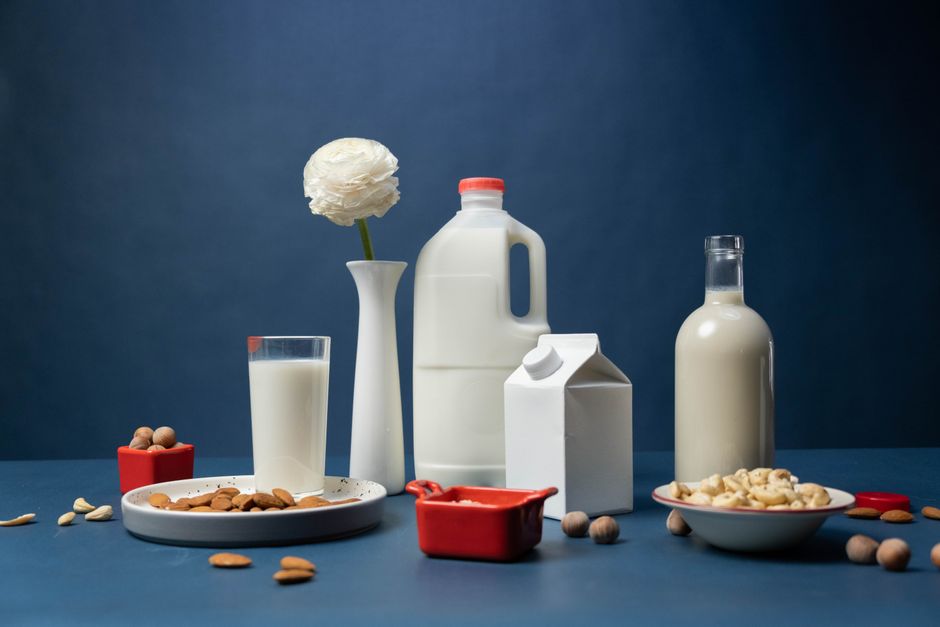
If you are watching your blood sugar, plain unsweetened dairy milk and unsweetened plant milks are the safest picks. They contain little or no added sugar, and the natural sugar in dairy milk comes packaged with protein and fat that slow its absorption. Sweetened milks, flavored milks, and most oat milks are the ones most likely to push glucose up quickly.
That short answer hides a lot of variation. “Milk” now covers everything from cow’s milk to almond, soy, oat, rice, pea, and coconut drinks, and their effects on blood sugar are not the same. Some contain almost no carbohydrate. Others are close to a glass of juice in how fast they release glucose.
This guide breaks down what the evidence actually shows about each type, why the differences matter, and how to read a label so you are not fooled by front-of-package claims.
What Milk Doesnt Spike Blood Sugar Best Options?
Unsweetened almond milk and unsweetened soy milk are the two options least likely to cause a rapid rise in blood sugar. Unsweetened almond milk has very little carbohydrate to begin with. Unsweetened soy milk has a modest amount of carbohydrate but also contains protein that blunts the glucose response.
Plain, unsweetened cow’s milk sits in a middle zone. It contains lactose, a natural sugar, so it does raise blood sugar somewhat. But the protein and fat in milk slow that rise compared with a sugary drink. For most people, plain milk is a reasonable choice, just not a “free” one.
The clearest offenders are sweetened plant milks, flavored dairy milks like chocolate milk, and oat milk. Oat milk is often marketed as healthy, but it is made from a starch-rich grain, and its carbohydrate content is typically much higher than almond or soy milk. It also tends to digest quickly.
Here is a rough comparison of the main types. Exact numbers vary by brand, so always check the label.
| Milk type (1 cup, unsweetened unless noted) | Carbohydrate | Protein | Likely blood sugar effect |
|---|---|---|---|
| Almond milk | Very low | Low | Minimal |
| Soy milk | Moderate | Moderate to high | Low to moderate |
| Cow’s milk (plain) | Moderate | High | Moderate |
| Oat milk | High | Low | Moderate to high |
| Rice milk | High | Very low | High |
| Chocolate milk | High | High | High |
The pattern is simple. The less carbohydrate a milk contains, and the more protein and fat it carries, the gentler it tends to be on blood sugar.
Why Does Cow’s Milk Raise Blood Sugar at All?
Cow’s milk contains lactose, a sugar made of glucose and galactose. When you drink milk, the enzyme lactase splits lactose into those two simpler sugars, and the glucose portion enters your bloodstream.
That is why milk is not carbohydrate-free. A typical cup of plain milk contains roughly 12 grams of carbohydrate, almost all of it lactose. The exact amount varies a little by fat content and brand, but it is consistently in that range.
What keeps milk from spiking blood sugar the way soda does is its protein and fat. Milk protein slows the rate at which the stomach empties, and fat does the same. That slower release means glucose arrives in the blood more gradually rather than all at once.
There is a detail worth knowing here. Milk sugar has a relatively low glycemic index, a measure of how quickly a food raises blood glucose. But glycemic index is based on a standard portion, and people rarely drink a standard portion. Drink a large glass and you are drinking more lactose, which raises the total glucose load regardless of how slowly it arrives.
So the honest framing is this: plain milk is not a spike food, but it is not a zero-carb food either. It counts.
Is Oat Milk Really Worse Than Other Plant Milks?
Oat milk usually contains more carbohydrate than almond, soy, or coconut milk. It is made by breaking down oats in water, and oats are a starch-heavy grain. The result is a drink that is naturally higher in carbohydrate and often sweetened further.
Oats also contain a type of fiber called beta-glucan, which can slow digestion. In whole oats, that fiber is intact and does help blunt the glucose response. In oat milk, much of that structure is broken down during processing, so the benefit is reduced.
Some oat milks are made with enzymes that convert starch into simpler sugars. That can make the drink taste sweeter without any added sugar on the label, while also making the carbohydrate easier to absorb.
This does not mean oat milk is off-limits. It means it behaves more like a carbohydrate food than a low-carb milk. If you use it, portion matters, and unsweetened versions are a better choice than flavored ones.





What Should You Look For on a Milk Label?
The nutrition facts panel tells you more than the front of the carton. Start with total carbohydrate per serving, then check the ingredients list for added sugars.
- Total carbohydrate: Lower is generally gentler on blood sugar. Compare per cup, not per container.
- Added sugars: Look for words like cane sugar, cane juice, brown rice syrup, or agave. These raise blood sugar faster than naturally occurring lactose.
- Protein: More protein usually means a slower, flatter glucose response.
- Serving size: A carton may hold two or more servings. Drinking the whole thing doubles everything.
- “Unsweetened” vs “original”: These are not the same. Original versions often contain added sugar.
One trap worth naming: “no added sugar” does not mean low carbohydrate. Rice milk and oat milk can carry a lot of carbohydrate with zero added sugar, because the sugar comes from the grain itself.
Does Milk Affect Blood Sugar Differently for People With Diabetes?
For people with type 1 or type 2 diabetes, milk still counts as a carbohydrate source, and it is usually factored into meal planning. The general principle is the same as for anyone else, but the stakes are higher because blood sugar control matters more directly.
Protein and fat in milk can slow glucose absorption, but they do not eliminate the carbohydrate. A glass of milk alongside a meal behaves differently than a glass on its own, because the rest of the meal changes how fast everything digests.
If you use insulin, the timing and dose depend on factors that are individual, including your insulin-to-carb ratio and how your body responds. That is a conversation for your care team, not a general article.
For type 2 diabetes managed with diet and medication, unsweetened almond or soy milk is often a practical lower-carb swap. Some clinicians recommend these as routine substitutions. That said, the strongest evidence for blood sugar control comes from overall dietary patterns, not from any single beverage choice.
Are Plant Milks Always the Better Choice?
No. Plant does not automatically mean lower in carbohydrate or better for blood sugar. It depends entirely on what the milk is made from and whether sugar has been added.
Unsweetened almond and soy milk tend to be the lowest-impact options. Coconut milk drinks are also low in carbohydrate, though they provide little protein. Rice milk is plant-based but high in carbohydrate and low in protein, which makes it one of the least favorable choices for blood sugar.
Plant milks also vary in nutritional completeness. Cow’s milk naturally provides calcium, vitamin D, and several B vitamins. Many plant milks are fortified to match, but not all are, and the levels differ by brand. If plant milk replaces dairy in your diet, check that it is fortified.
Soy milk is the closest plant-based match to cow’s milk in protein content, which is part of why it tends to have a gentler effect on blood sugar than oat or rice milk.
The Bottom Line on Milk and Blood Sugar
Unsweetened almond milk and unsweetened soy milk are the options least likely to spike blood sugar. Plain cow’s milk raises it modestly, slowed by its protein and fat. Oat, rice, and sweetened or flavored milks are the ones most likely to push glucose up quickly.
The single most useful habit is reading the label for total carbohydrate and added sugars. Front-of-package words like “natural” or “plant-based” tell you nothing about blood sugar impact. The numbers on the back do.
If you have diabetes or prediabetes and are unsure how a specific milk fits your plan, that is a question worth bringing to your doctor or a registered dietitian who knows your history.
Frequently Asked Questions
Which milk does not spike blood sugar?
Unsweetened almond milk is the least likely to spike blood sugar because it contains very little carbohydrate. Unsweetened soy milk is a close second, since its protein helps slow glucose absorption.
Does regular cow’s milk raise blood sugar?
Yes, plain cow’s milk raises blood sugar modestly because it contains lactose, a natural sugar. Its protein and fat slow that rise compared with sugary drinks, but the carbohydrate still counts.
Is oat milk bad for blood sugar?
Oat milk tends to raise blood sugar more than almond or soy milk because it is higher in carbohydrate and lower in protein. Unsweetened versions and smaller portions are gentler than sweetened or flavored ones.
Can diabetics drink milk?
Yes, people with diabetes can drink milk, but it counts as a carbohydrate source and is usually factored into meal planning. Unsweetened almond or soy milk is often a lower-carb alternative.
