
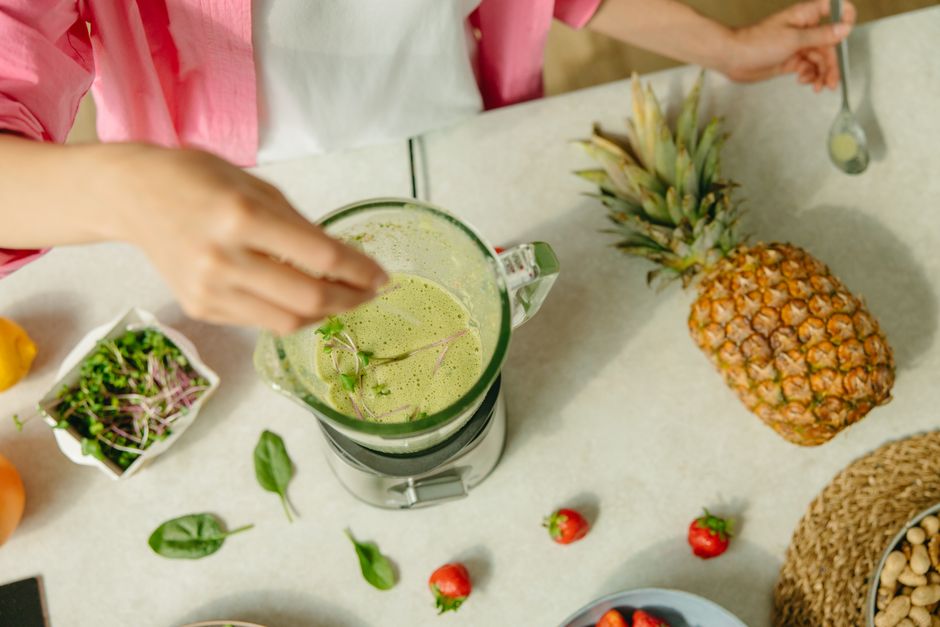
Seeing green in the toilet bowl can be startling, but it is usually harmless. The most common cause is the food you ate, specifically green vegetables or foods with green food coloring. Your stool gets its color from bile, a digestive fluid that starts out green and turns brown as it travels through your intestines. When stool moves through the digestive tract too quickly, bile does not have time to change color, and the result is green poop.
What Makes Your Stool Green?
Bile is the main actor here. Your liver produces bile to help digest fats, and it is naturally green. As bile moves through your intestines, bacteria work on it and change its color from green to yellow to brown. This process takes time.
If your digestive system speeds things up, bile passes through before the color change happens. The result is green stool. Think of it like food coloring that has not been fully mixed yet. The green you see is essentially unprocessed bile.
Several everyday situations can cause this rapid transit. A stomach bug, food poisoning, or even a mild case of diarrhea can push food through faster than normal. Many people notice green stool during or after an illness that causes loose stools. Once the illness passes, the color returns to normal.
Could Green Foods Be the Cause?
Yes, and this is the most straightforward explanation. Leafy greens like spinach, kale, and broccoli contain chlorophyll, the pigment that makes plants green. When you eat large amounts of these foods, some chlorophyll can survive digestion and color your stool.
Green food coloring is another common culprit. This includes gelatin desserts, frostings, candy, sports drinks, and even some breakfast cereals. If you ate something brightly colored, the dye can pass through your system and show up in the toilet bowl.
Blue foods can also cause green stool. Blue food coloring mixed with the yellow-green of bile creates a green result. This surprises many people, but it is a well-known effect. If you recently ate blue icing, blue candy, or drank a blue sports beverage, that could explain what you are seeing.
Medications and Supplements That Turn Stool Green
Certain medications and supplements can change stool color. Iron supplements are a common cause, though they more often turn stool dark green or black. Some multivitamins contain iron and can produce the same effect.
Antibiotics can also lead to green stool. They alter the balance of bacteria in your gut. Since those bacteria are responsible for changing bile from green to brown, disrupting them can leave stool greener than usual. This effect typically resolves after you finish the course of antibiotics.
Other culprits include medications containing bismuth subsalicylate, which you may know as the active ingredient in some stomach remedies. It usually turns stool black, but it can sometimes produce a greenish tint. Laxatives that speed up bowel movements can also cause green stool for the same reason as diarrhea — the rapid transit time.



When Green Stool Signals a Medical Problem
In most cases, green stool is not a medical emergency. But there are times when it deserves attention. If green stool lasts more than a few days without an obvious cause, it is worth mentioning to your doctor.
Some digestive conditions can cause persistent green stool. Crohn’s disease, celiac disease, and irritable bowel syndrome can all speed up intestinal transit. In these conditions, green stool is a symptom of the underlying problem, not the problem itself.
Gallbladder issues can also play a role. If your gallbladder is not releasing bile properly, the bile that does enter your intestines may be more concentrated and greener. This is less common than dietary causes, but it is a possibility.
In rare cases, green stool can indicate a more serious infection. Certain bacterial infections, including some types of salmonella, can cause green diarrhea. If you have green stool along with fever, severe abdominal pain, or blood in the stool, seek medical attention promptly.
Is Green Stool Normal in Babies and Children?
Yes, green stool is common in infants and usually not a cause for concern. Newborns pass meconium in the first few days of life, which is dark green or black. This is completely normal.
Formula-fed babies often have greenish stool because formula is digested differently than breast milk. Breastfed babies can also have green stool, sometimes because the baby is getting more foremilk than hindmilk. Foremilk is the thinner milk that comes first, and hindmilk is the richer milk that comes later. A green tint here is generally harmless.
When a baby starts eating solid foods, green stool often appears after introducing green vegetables like peas or spinach. This is expected. However, if your baby has green stool with blood, mucus, or signs of dehydration, contact your pediatrician.
How to Tell If You Should See a Doctor
Most green stool resolves on its own within a day or two. If you can trace it back to something you ate, you likely have nothing to worry about. Your stool color should return to normal once the food or medication has passed through your system.
See a doctor if green stool persists for more than a few days without a clear cause. You should also seek medical advice if green stool is accompanied by other symptoms. These include abdominal pain that is severe or worsening, fever, blood in the stool, or unexplained weight loss.
If you have a known digestive condition, talk to your doctor about any persistent changes in stool color. They can help determine whether the change is related to your condition or something new. Keep in mind that your doctor will likely ask about your diet, medications, and recent travel history to help narrow down the cause.
Frequently Asked Questions
Can stress cause green stool?
Stress can speed up digestion, which may cause green stool. The effect is indirect, but the rapid transit time prevents bile from turning brown.
How long does green stool last?
Green stool usually lasts one to two days, depending on the cause. If it lasts longer than a few days without a clear reason, contact your doctor.
Is green stool a sign of infection?
It can be, but it is usually not. Most green stool comes from diet or rapid digestion. Green stool with fever, severe pain, or blood may indicate an infection that needs medical attention.
Does green stool mean something is wrong with my liver?
Not usually. Green stool is more often related to how fast food moves through your system. Persistent changes along with other symptoms like jaundice or fatigue should be evaluated by a doctor.
