
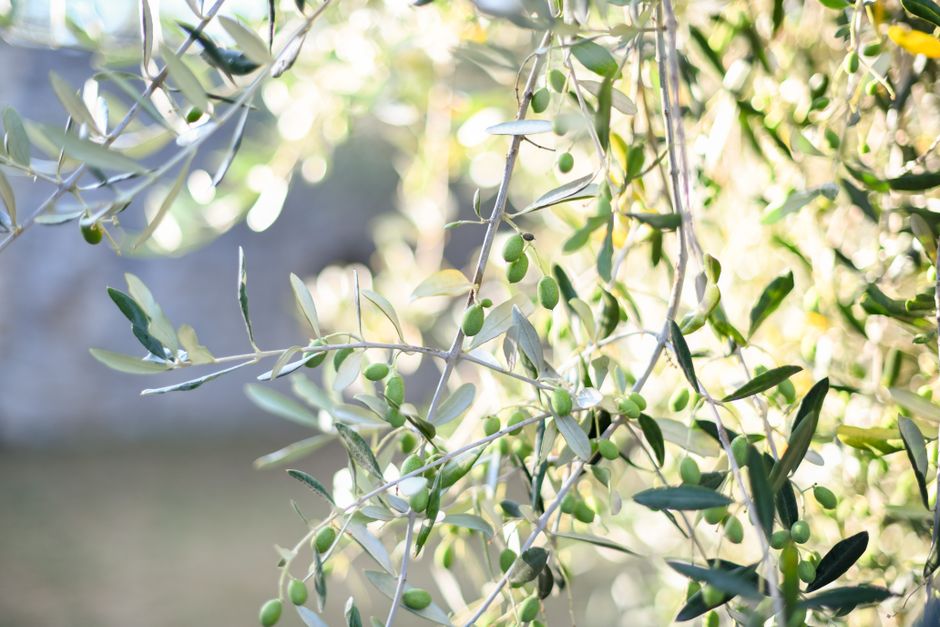
Green olives are good for you in moderate amounts. They provide healthy monounsaturated fats, vitamin E, and antioxidants that support heart health and reduce inflammation. But they also come with a significant amount of sodium from the brining process, which means you cannot eat them freely like you would fresh fruit or vegetables. The health benefits are real but they depend entirely on how many you eat and whether you account for the salt.
What Nutrients Do Green Olives Actually Provide?
Green olives are not a nutrient powerhouse but they do offer some genuine benefits. A standard serving of about five to six olives contains roughly 25 calories and 2 grams of fat. That fat is mostly oleic acid, the same monounsaturated fat found in olive oil that research links to lower inflammation and better cholesterol levels.
They also contain vitamin E, an antioxidant that protects your cells from damage. About five olives give you roughly 5 percent of your daily vitamin E needs. That is not a lot but it adds up if you eat them regularly as part of a Mediterranean-style diet.
Green olives also provide small amounts of iron and copper. Iron supports oxygen transport in your blood and copper helps maintain nerve cells and your immune system. The amounts are modest but every bit helps when you are eating a balanced diet.
Are Green Olives Good For You Compared to Black Olives?
Many people assume green and black olives are nutritionally identical. They are not. Green olives are picked before they fully ripen while black olives are left on the tree longer. That changes their nutritional profile in a few meaningful ways.
Green olives contain more sodium because they are brined for a longer period. A single green olive can have around 40 to 60 milligrams of sodium. Black olives typically have less, around 25 to 35 milligrams per olive. If you are watching your salt intake, black olives are the better choice.
Black olives also have slightly more iron and vitamin A. But green olives have higher levels of certain polyphenols, which are plant compounds with antioxidant effects. The differences are small enough that neither is clearly superior. Your choice should depend more on taste and your sodium needs.
What Does the Research on Olives and Heart Health Show?
Studies have found that people who eat olives regularly tend to have lower rates of heart disease. This is partly because olives are a key part of the Mediterranean diet, which is consistently linked to better cardiovascular health. But it is hard to separate the effect of olives themselves from the overall diet pattern.
One 2022 study in the journal Nutrients looked at olive consumption and heart disease risk in over 20,000 adults. Researchers found that people who ate at least five olives per day had lower blood pressure and better cholesterol profiles. But the effect was modest and the study relied on people self-reporting what they ate, which is not perfectly reliable.
The monounsaturated fat in olives does help lower LDL cholesterol when it replaces saturated fat in your diet. That is well-established. But eating olives on top of a diet already high in saturated fat will not cancel out the damage. The benefit comes from swapping less healthy fats for olive fat, not from adding olives to an already poor diet.
As of 2026, current research suggests that the polyphenols in olives may also help reduce blood pressure by improving how your blood vessels relax and contract. This is promising but most studies have used olive extracts rather than whole olives. It is not clear whether eating a handful of olives gives you enough polyphenols to see this effect.





What Are the Health Risks of Eating Green Olives?
The biggest concern with green olives is sodium. A single olive can contain 40 to 60 milligrams of sodium. If you eat ten olives, that is 400 to 600 milligrams, which is roughly a quarter of the daily recommended limit for most adults. For people with high blood pressure or kidney issues, that amount adds up fast.
Some people also experience digestive discomfort from olives. They contain compounds called polyphenols that can be difficult to digest in large amounts. Eating too many at once can cause bloating or an upset stomach. This varies from person to person and most people tolerate a few olives without any issues.
Green olives are also relatively high in calories for their size. A dozen olives have around 50 to 60 calories. That is not a lot but if you are snacking on them mindlessly the calories can add up. The fat content is healthy fat but it is still fat, which means nine calories per gram.
| Factor | Green Olives (5 olives) | Black Olives (5 olives) |
|---|---|---|
| Calories | 25 | 25 |
| Total Fat | 2 g | 2 g |
| Sodium | 200-300 mg | 125-175 mg |
| Vitamin E | 5% DV | 3% DV |
| Iron | 1% DV | 3% DV |
| Polyphenols | Higher | Lower |
How Many Green Olives Should You Eat Per Day?
There is no official recommended serving size for olives. But most nutrition experts suggest keeping it to about five to ten olives per day. That gives you the fat and antioxidant benefits without overloading on sodium.
If you have high blood pressure or are on a low-sodium diet, stick closer to five olives. If your blood pressure is normal and you do not eat much other salty food, ten olives is reasonable. The key is to think of them as a condiment or a small snack, not a main food group.
People sometimes overestimate how healthy olives are because they associate them with olive oil. Olive oil is a concentrated source of healthy fat without the sodium. Olives are the whole food version but they come with the brine baggage. Treat them like you would pickles or capers, not like a bowl of berries.
Do Stuffed Green Olives Have the Same Benefits?
Stuffed olives are a different story. Pimiento-stuffed olives are the most common and they are fine in moderation. The pimiento adds almost nothing nutritionally but it does not take anything away either.
Garlic-stuffed, jalapeño-stuffed, or cheese-stuffed olives are more concerning. The cheese adds saturated fat and more sodium. The garlic and jalapeño versions often have extra salt or oil added to preserve the stuffing. These are not necessarily bad but they are less healthy than plain olives.
Blue cheese-stuffed olives are particularly high in sodium and saturated fat. One stuffed olive can have as much sodium as two plain olives. If you eat stuffed olives, check the label and treat them as an occasional treat rather than a daily snack.
Common Misconceptions About Green Olives
One common myth is that green olives are a good source of fiber. They are not. A serving of five olives contains less than half a gram of fiber. You would need to eat dozens of olives to get meaningful fiber, which would wreck your sodium intake.
Another misconception is that green olives are low in calories because they are a vegetable. Olives are botanically a fruit and their fat content makes them moderately calorie-dense. They are not a free food you can eat without thinking about it.
Some people also believe that all olives are fermented and provide probiotics. Most commercially available green olives are not fermented. They are cured in lye or brine but that process does not produce live probiotics the way fermented vegetables like sauerkraut do. If you want probiotic benefits from olives, you need to look for traditionally fermented varieties, which are harder to find in regular grocery stores.
Green olives are a perfectly healthy food when eaten in sensible amounts. They offer real benefits from healthy fats and antioxidants. But they are not a superfood and they come with enough sodium that you cannot eat them freely. If you enjoy them, have a few as part of a balanced diet and pay attention to how much salt you are getting from other sources.
Frequently Asked Questions
Are green olives good for weight loss?
They can be in small amounts because their healthy fat helps you feel full. But they are calorie-dense and high in sodium so eating more than a few can work against weight loss.
Do green olives have more salt than black olives?
Yes, green olives typically have more sodium because they are brined longer. A single green olive can have 40 to 60 milligrams of sodium compared to about 25 to 35 milligrams in a black olive.
Can you eat green olives every day?
Yes, as long as you limit yourself to about five to ten olives per day. Eating them daily is fine if you account for the sodium in your overall diet.
Are green olives a good source of vitamin E?
They provide a modest amount of vitamin E. Five olives give you roughly 5 percent of your daily needs, which is helpful but not a primary source.
