
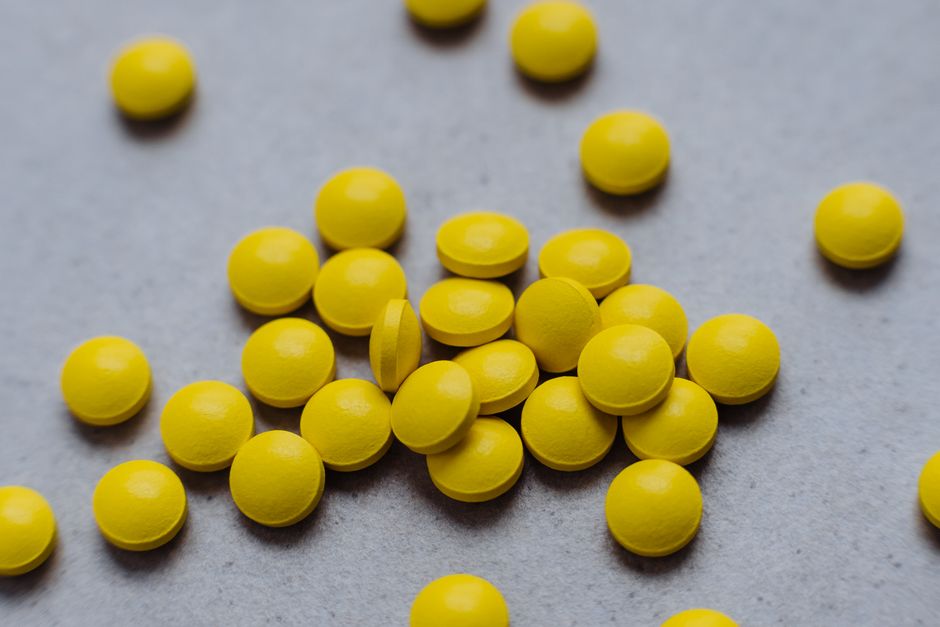
You have probably noticed it yourself. You take a vitamin, and later your urine looks like highlighter fluid. It is startling the first time it happens. But it is completely normal. The vitamin responsible for this bright yellow color is riboflavin, also known as vitamin B2. Your body only absorbs what it needs and gets rid of the rest through urine. That neon glow is just excess riboflavin leaving your system.
What Vitamin Makes Your Pee Yellow and Why Does It Happen?
Riboflavin is a water-soluble vitamin. That means it dissolves in water, not fat. Your body cannot store large amounts of it. When you take more than your tissues need, the kidneys filter the extra out. That surplus ends up in your urine.
The bright yellow color comes from riboflavin itself. The vitamin has a natural fluorescent yellow-green pigment. In high concentrations, it looks almost neon under bathroom lighting. This is not a sign of anything wrong. It is just your body doing its job.
Some people worry that bright urine means they are taking too much. For most healthy adults, that is not a concern. Riboflavin is very safe. The body simply flushes what it does not use. As of 2026, there are no known toxic effects from high riboflavin intake from food or standard supplements.
Does the Color Change Mean the Vitamin Is Working?
This is a common question. Many people assume that bright urine means the vitamin is working well. That is not quite accurate.
The color change only tells you that you have more riboflavin in your body than your tissues can use right now. It does not tell you whether your cells are getting enough. Someone with a mild deficiency might still have bright urine after taking a supplement. The color is about excess, not effectiveness.
What matters more is whether you are getting enough riboflavin over time. Most adults need about 1.1 to 1.3 milligrams per day. A standard multivitamin often contains 1.7 milligrams. That is more than enough. The extra shows up in your urine.
If your urine is completely clear after taking a B-complex vitamin, that is not necessarily a bad sign. It may mean your body is using more of the riboflavin. Or it may mean you are well hydrated and the vitamin is more diluted. Color is not a reliable measure of absorption.
What Other Vitamins and Compounds Can Change Urine Color?
Riboflavin is the main cause of bright yellow urine, but it is not the only one. Several other substances can change the color of your urine. Knowing which is which can save you unnecessary worry.
Here is a quick comparison of common urine color changes:
| Substance | Urine Color | Why It Happens |
|---|---|---|
| Riboflavin (B2) | Bright neon yellow | Excess water-soluble vitamin excreted by kidneys |
| Vitamin C (high doses) | Bright yellow to orange | High doses overwhelm kidney reabsorption |
| Beets | Red or pink | Pigments called betalains pass through undigested |
| Carrots or beta-carotene | Orange | Excess beta-carotene excreted in urine |
| B vitamins (B6, B12 in high doses) | Yellow to greenish | Some B vitamins have mild pigment effects |
| Dehydration | Dark amber | Concentrated urine from low water intake |
Some medications also change urine color. Antibiotics like rifampin turn urine orange. Certain laxatives can cause pink or red urine. Always check medication side effects before assuming a vitamin is the cause.





How Much Riboflavin Is Too Much?
Riboflavin is one of the safest vitamins you can take. The body has a very efficient system for managing excess. Unlike fat-soluble vitamins like A, D, E, and K, riboflavin does not build up in tissues to dangerous levels.
The National Academies set a tolerable upper intake level for riboflavin. But they have not established one because no adverse effects have been seen at high doses. Some studies have used doses up to 400 milligrams per day for months with no serious side effects. Typical supplements contain only 1.7 to 100 milligrams.
The main downside of high doses is the bright yellow urine. Some people find it alarming. But it is harmless. If the color bothers you, you can take a smaller dose or split your supplement throughout the day.
There is one exception. People with a history of kidney stones should talk to their doctor before taking high doses of any B vitamin. High riboflavin intake may slightly increase the risk of calcium oxalate stones in susceptible individuals. This is rare but worth knowing.
What Does Research on Riboflavin and Urine Color Show?
Research confirms that riboflavin is the primary cause of bright yellow urine after taking B-complex supplements. Studies have tracked riboflavin absorption using urine color as a simple marker. The more riboflavin in the urine, the brighter the yellow.
One study found that urine color changes are visible within two to four hours of taking a riboflavin supplement. The color peaks around four to six hours and fades over the next eight to twelve hours. This matches what most people experience.
Some research has explored using urine color as a way to check supplement adherence. If a patient says they took their B-complex but their urine is clear, it might mean they did not actually take it. This is not a perfect test, but it has some practical use in clinical settings.
Current research suggests that individual variation matters. Some people produce very bright urine from small doses. Others need higher doses to see any color change. This depends on kidney function, hydration, and how efficiently the body uses riboflavin.
Common Misconceptions About Vitamin Urine Color
Several myths circulate about what bright urine means. Here are the most common ones and what the evidence actually shows:
- Bright urine means you are wasting money. Not true. Your body took what it needed. The excess was always going to be excreted. You are not flushing away value.
- Clear urine means the vitamin is not working. Also not true. Clear urine often means you are well hydrated. The riboflavin is still present, just more diluted.
- Bright urine means you are dehydrated. This is backwards. Bright yellow from riboflavin is different from dark amber from dehydration. Riboflavin color is vivid and fluorescent. Dehydration color is deep and tea-like.
- Only cheap supplements cause bright urine. The color depends on riboflavin content, not quality. Expensive brands with the same amount of B2 will produce the same effect.
- Bright urine means you need to stop taking the vitamin. For most people, this is not necessary. The color is harmless. Only stop if you have other symptoms or your doctor advises it.
Understanding these myths can help you make better decisions about your supplement routine. Do not let urine color alone guide your choices.
Should You Worry If Your Pee Is Not Yellow After Taking B Vitamins?
Some people take a B-complex and see no color change. This can cause concern. Is the supplement working? Is it being absorbed?
In most cases, no color change is nothing to worry about. Several factors can reduce the visible color:
Being well hydrated dilutes the riboflavin in your urine. If you drink a lot of water, the color may be too faint to see. Taking the vitamin with a meal can slow absorption and spread the excretion over a longer period. Some people simply have kidneys that clear riboflavin more slowly.
If you consistently see no color change after several weeks, you might check a few things. Is your supplement past its expiration date? Riboflavin is sensitive to light and can degrade over time. Store supplements in a cool, dark place. Also check the label to confirm the supplement actually contains riboflavin. Some B-complex formulas skip it.
If everything checks out and you still see no color, it is fine. Your body may just be using the riboflavin efficiently. The absence of color is not a sign of deficiency or poor absorption.
Frequently Asked Questions
Does riboflavin always make your pee bright yellow?
Not always. The color depends on the dose, your hydration level, and how quickly your kidneys process it. Some people see no color change at all.
Can too much riboflavin be harmful?
No. Riboflavin is very safe even at high doses. Your body simply flushes out what it does not need. No toxic effects have been established for riboflavin.
How long does bright yellow urine last after taking B vitamins?
It usually appears within two to four hours and fades over eight to twelve hours. The color goes away once your body has cleared the excess riboflavin.
Is bright yellow urine a sign of a vitamin deficiency?
No. Bright yellow urine means you have excess riboflavin, not a deficiency. A deficiency would not cause color changes in urine.
