
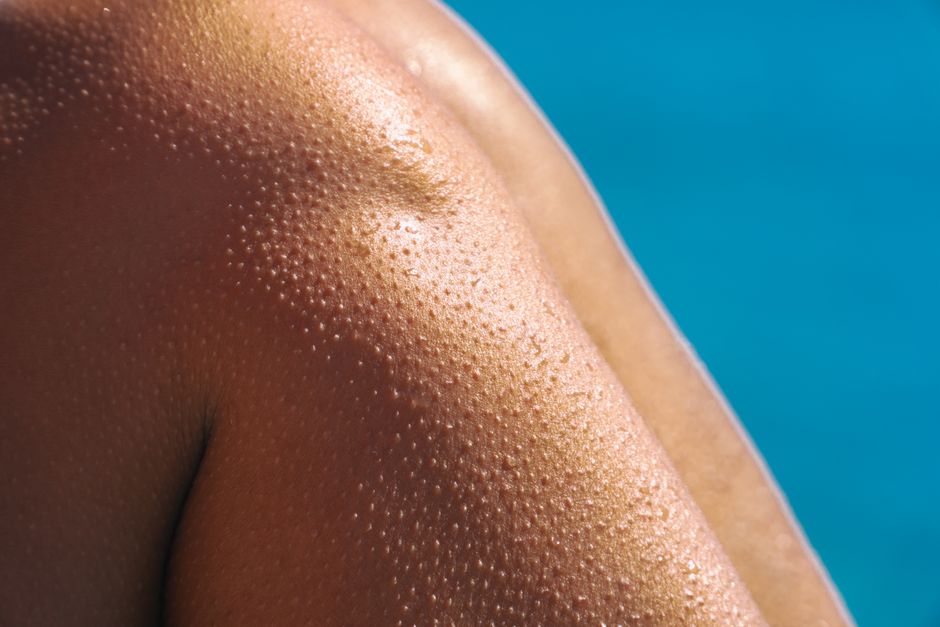
Your skin does not keep water out because it is tough. It keeps water out because of a thin, oily layer on its surface. This layer is called the acid mantle. It is a mix of sebum, sweat, and dead skin cells. Together, they create a barrier that water cannot easily cross. The acid mantle also keeps bacteria out and locks moisture inside. Without it, your skin would dry out or absorb water like a sponge. This natural system is your body’s first and most important defense.
What Exactly Is the Skin Barrier and How Does It Work?
The skin barrier is the outermost layer of your skin. Scientists call it the stratum corneum. It is made of dead skin cells held together by lipids. Lipids are fats. Think of it like a brick wall. The dead cells are the bricks. The lipids are the mortar.
Water cannot pass through this wall easily. The lipids are waterproof. They repel water. This is why you do not swell up in the shower. Your skin stays the same size. The barrier also works the other way. It stops water inside your body from leaking out. The National Institutes of Health reports that this barrier is essential for survival. Without it, your body would lose too much water to the air.
Your skin barrier is not a solid sheet. It is more like a flexible shield. It bends and moves with your body. But it never breaks open. If it does, water gets in or out too fast. That is when problems start.
What Makes Skin Waterproof the Body’s Natural Barrier?
The key to waterproof skin is a substance called sebum. Your sebaceous glands make it. These glands are tiny organs attached to your hair follicles. Sebum is an oily wax. It spreads across your skin surface. It mixes with sweat and dead cells to form the acid mantle.
Sebum is hydrophobic. That is a scientific way of saying it hates water. Water molecules cannot mix with oil. So when water hits your skin, it beads up. The beads roll off. This is the same reason oil and vinegar separate in salad dressing.
Your skin also has a protein called filaggrin. It helps hold the skin cells together. When filaggrin breaks down, it produces natural moisturizing factors. These factors attract water inside the skin. So your barrier both repels water on the outside and holds water on the inside. The American Academy of Dermatology confirms this dual function is what keeps skin healthy.
What Damages the Skin Barrier and Destroys Its Waterproof Ability?
Many things can damage your skin barrier. Harsh soaps are a big one. Soap strips away the natural oils. Without those oils, water can get in and out too easily. Your skin becomes dry and cracked. Hot water does the same thing. Long hot showers remove sebum faster than your body can replace it.
Over-exfoliating is another common cause. Scrubbing too hard or using strong acids removes the dead skin cells too quickly. The barrier becomes thin and weak. Environmental factors also matter. Cold air has less moisture. Indoor heating dries the air. Both pull water out of your skin.
Some skin conditions directly harm the barrier. Eczema and psoriasis are examples. The National Eczema Association states that people with eczema have a damaged skin barrier from birth. Their skin loses water faster and lets irritants in easier. This is why their skin is always dry and itchy.



How Can You Tell If Your Skin Barrier Is Damaged?
The signs are usually obvious. Dryness is the most common. Your skin feels tight after washing. It might look flaky or rough. Redness and irritation are also signs. Your skin may sting when you apply products. This is a warning. Healthy skin should not sting.
Another sign is increased sensitivity. Things that never bothered your skin before start to irritate it. Your skin may also look dull. A healthy barrier reflects light evenly. A damaged one looks patchy and uneven. Some people develop breakouts. This sounds backwards. But a damaged barrier can trap bacteria and cause acne.
Research published in the Journal of Investigative Dermatology found that a damaged barrier loses water three times faster than a healthy one. You can test this yourself. If your skin feels dry within minutes of washing, your barrier is likely compromised. Do not ignore it. A damaged barrier gets worse over time without care.
What Actually Helps Repair the Skin Barrier?
Gentle cleansing is the first step. Use a mild, pH-balanced cleanser. Your skin’s pH is around 5.5. Most soaps are much higher. Look for cleansers labeled “sulfate-free.” Sulfates strip oils. Avoid scrubs and brushes until your skin heals.
Moisturizers are essential. But not all moisturizers help the barrier. You need ingredients that replace the missing lipids. Ceramides are the most important. These are the same fats your skin naturally makes. Research shows ceramide creams improve barrier function in two weeks. Niacinamide is another good ingredient. It helps your skin produce more ceramides.
Petroleum jelly is surprisingly effective. The American Academy of Dermatology recommends it for very dry skin. It sits on top of the skin and stops water from escaping. It does not add moisture. It locks the moisture you already have inside. Apply it to damp skin for best results.
| Ingredient | What It Does | Evidence Level |
|---|---|---|
| Ceramides | Replace lost skin lipids | Strong |
| Niacinamide | Boosts ceramide production | Strong |
| Petroleum jelly | Seals moisture in | Strong |
| Shea butter | Provides fatty acids | Moderate |
| Colloidal oatmeal | Soothes irritation | Moderate |
What Common Myths About Skin Waterproofing Are Wrong?
A big myth is that drinking more water makes your skin more waterproof. It does not. Your body regulates water balance internally. Drinking extra water does not change how much moisture your skin holds. The barrier controls that. No amount of water fixes a damaged barrier.
Another myth is that oily skin does not need moisturizer. This is false. Oily skin can still have a damaged barrier. You can have too much sebum and not enough ceramides. Using a lightweight, oil-free moisturizer helps both problems. Skip it and your skin may produce even more oil to compensate.
Some people believe that natural oils like coconut oil are best for the barrier. Coconut oil is comedogenic. That means it clogs pores. It can make acne worse. It also does not contain ceramides. It provides some moisture but does not repair the barrier fully. Use it sparingly or not at all if you are prone to breakouts.
Many think that expensive products work better. They do not. A $10 moisturizer with ceramides and niacinamide works just as well as a $100 one. The ingredients matter. The price tag does not. Check the ingredient list. If it has the right components, it will work.
What to Avoid When Trying to Protect Your Skin Barrier
- Harsh cleansers: Avoid sodium lauryl sulfate and sodium laureth sulfate. They strip oils.
- Alcohol-based toners: Denatured alcohol dries skin instantly. It damages the barrier.
- Hot water: Wash with lukewarm water. Hot water removes sebum too fast.
- Over-exfoliating: Limit chemical exfoliants to once or twice a week. Stop if skin stings.
- Fragrance: Fragrance is a common irritant. It does nothing for the barrier. Choose fragrance-free products.
- Harsh weather: Wear a scarf or hat in cold wind. Protect your face from direct sun.
These are not suggestions. These are things that directly damage your skin barrier. Avoid them consistently. Your barrier will stay strong and waterproof.
Frequently Asked Questions
Can you completely restore a damaged skin barrier?
Yes, most people can restore their barrier in two to four weeks with consistent gentle care and the right moisturizers.
Does sunscreen help the skin barrier stay waterproof?
Sunscreen protects the barrier from UV damage but does not directly make skin more waterproof.
Is it possible to have too much sebum and still have dry skin?
Yes, you can have oily skin and a damaged barrier at the same time because sebum and ceramides are different things.
How long does it take for the skin barrier to heal after over-exfoliation?
It usually takes about two weeks for the barrier to recover if you stop exfoliating and use barrier repair creams.
