
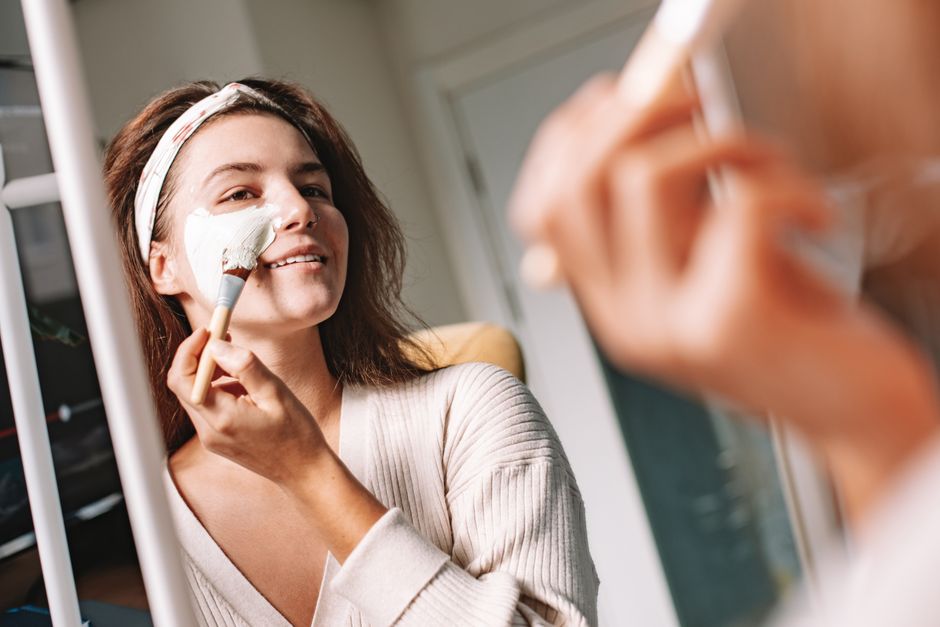
Skin that glows naturally is not about expensive creams or complicated routines. It is the visible result of a healthy skin barrier, good hydration, and normal cell turnover. When the outer layer of skin holds onto moisture and sheds dead cells at a regular pace, light reflects evenly off the surface. That even reflection is what people perceive as a glow. The good news is that most of these factors are within your control through daily habits, not products.
What Makes Skin Glow Naturally And How To Get It?
Your skin’s natural glow comes from three basic processes working correctly. First, the skin barrier must be intact so it can hold water. Second, blood flow must deliver oxygen and nutrients to skin cells. Third, dead skin cells must shed at a normal rate so newer, brighter cells are visible on the surface.
When any of these processes slow down, skin looks dull. Dry patches scatter light instead of reflecting it. Poor circulation leaves skin looking sallow. A buildup of dead cells creates a rough texture. Fixing these three issues is the foundation of natural glow.
Why Does Skin Lose Its Glow In The First Place?
Skin naturally changes as you age. Cell turnover slows down. In your twenties, new skin cells reach the surface every 28 days or so. By your forties and fifties, that process can take up to 45 days or longer. Older cells linger on the surface, making skin look dull and rough.
Lifestyle factors speed up this process. Sun exposure breaks down collagen and elastin, the proteins that keep skin firm and smooth. Smoking reduces blood flow to the skin. Poor sleep raises cortisol levels, which can increase inflammation. Dehydration makes the skin barrier weaker. Each of these factors contributes to a dull appearance over time.
One non-obvious point: your skin microbiome also plays a role. The community of bacteria living on your skin helps maintain the acidic pH that supports a healthy barrier. Harsh cleansers can disrupt this balance. That is why gentle cleansing matters more than most people realize.
Can You Actually Drink Your Way To Glowing Skin?
Hydration is essential for skin health, but the relationship is more nuanced than the common advice suggests. Drinking water does help maintain skin hydration. Studies have found that higher water intake improves skin hydration in people who normally drink low amounts. But drinking extra water beyond what your body needs will not create extra glow.
Your skin gets moisture from the inside and the outside. The stratum corneum, the outermost layer, contains natural moisturizing factors that attract and hold water. Humectants like glycerin and hyaluronic acid in skincare products work the same way from the outside. Both approaches matter.
What about foods? Some research suggests that foods rich in antioxidants may support skin health. Vitamins C and E, found in fruits, vegetables, and nuts, help protect skin from oxidative stress. Omega-3 fatty acids from fish may help maintain the skin barrier. But no single food or supplement has been proven to produce a visible glow on its own.





What Skincare Habits Actually Work?
A minimal, consistent routine outperforms a complicated one. Dermatologists generally agree on three core steps: cleanse, moisturize, and protect with sunscreen.
Cleansing removes dirt, oil, and pollutants. Use a gentle cleanser that does not strip your skin. If your skin feels tight after washing, your cleanser is too harsh. That tight feeling means you have removed too many natural oils.
Moisturizing helps the skin barrier hold water. Look for products with humectants like glycerin or hyaluronic acid to draw water in, and occlusives like petrolatum or shea butter to lock it there. Apply moisturizer while skin is still damp to trap more water in the skin.
Sunscreen is the single most important step for long-term glow. Daily broad-spectrum SPF 30 or higher prevents the collagen breakdown that leads to dull, aging skin. Sun damage is cumulative and irreversible. No serum or treatment can fully undo it.
One additional step matters for glow: exfoliation. Gentle chemical exfoliants like alpha-hydroxy acids (AHAs) help remove dead skin cells that dull the surface. Products with 5-10% glycolic or lactic acid, used a few times per week, are well-studied for improving skin texture. Physical scrubs work too but can cause micro-tears if used too aggressively.
Do Supplements Or “Glow” Drinks Work?
The supplement market for skin health is large, but the evidence is thin. Collagen supplements are the most popular category. Some small studies suggest that oral collagen peptides may improve skin elasticity and hydration. The results are promising but not conclusive. Large, long-term trials have not been done.
Other supplements like biotin, vitamin C, and zinc are often marketed for skin. Biotin deficiency can cause skin problems, but biotin supplements do not improve skin in people who are not deficient. Vitamin C is important for collagen production, but topical application has stronger evidence than oral supplements for skin benefits.
Be cautious with “glow drinks” and beauty elixirs. Most contain vitamins and antioxidants in doses that have not been studied for skin outcomes. No clinical evidence confirms that these drinks produce visible changes in skin appearance. If a product sounds too good to be true, it probably is.
What About Sleep, Stress, And Exercise?
Your skin reflects your overall health. Sleep is one of the most underrated factors. During deep sleep, your body releases growth hormone, which supports cell repair. Chronic sleep deprivation increases cortisol, a stress hormone that breaks down collagen. Most adults need 7-9 hours per night.
Stress also affects skin directly. High stress levels increase inflammation throughout the body, including the skin. This can worsen conditions like acne, eczema, and psoriasis. Stress management techniques like exercise, meditation, or simply taking time for yourself can indirectly improve skin appearance.
Exercise improves blood flow, which delivers oxygen and nutrients to skin cells. Regular physical activity also helps regulate hormones and reduces stress. You do not need intense workouts — moderate activity like brisk walking several times per week is enough to support skin health.
Are Expensive Products Worth It?
Price does not equal effectiveness. Drugstore brands often contain the same active ingredients as luxury products. The key is the concentration and formulation of active ingredients, not the packaging or marketing.
What you pay for with expensive products is often fragrance, texture, and branding. These matter for enjoyment but not for results. In fact, fragrance can irritate sensitive skin and make it look worse. Dermatologists often recommend fragrance-free products for people with reactive skin.
The ingredients that have the strongest evidence for improving skin appearance are retinoids, vitamin C, niacinamide, and AHAs. These are available at many price points. A basic routine with these ingredients, used consistently, will outperform a luxury routine with weak concentrations of actives.
How Long Until You See Results?
Skin changes take time. The skin cell cycle takes about 28 days in younger adults. Even with perfect habits, you will not see dramatic changes overnight. Most people notice improvements in skin texture and hydration within 2-4 weeks of consistent moisturizing and gentle exfoliation.
For deeper changes like improved firmness or reduced fine lines, expect 8-12 weeks with retinoids or vitamin C. Sun protection prevents further damage immediately, but existing damage takes months or years to improve. Consistency matters more than intensity. A simple routine you follow daily beats an aggressive routine you abandon after a week.
What Actually Makes The Biggest Difference?
If you only do one thing, use sunscreen every day. Sun exposure causes the majority of visible skin aging. This includes wrinkles, dark spots, and loss of elasticity. No other step matters as much.
If you can add a second step, moisturize regularly. Well-hydrated skin looks plumper and reflects light better. If you add a third step, use a gentle cleanser that does not strip your skin. These three steps form the foundation of any skin health routine.
Everything else — serums, masks, devices, treatments — builds on this foundation. They add benefits but cannot replace the basics. Be honest with yourself about what you will maintain. A simple routine you follow for years will always beat a complex one you abandon.
Frequently Asked Questions
How long does it take to see results from a new skincare routine?
Most people notice improved hydration and texture within 2-4 weeks of consistent moisturizing and gentle exfoliation. Deeper changes like firmness or reduced fine lines typically take 8-12 weeks.
Does drinking more water actually make skin glow?
Drinking water helps maintain skin hydration, especially if you currently drink very little. But extra water beyond your body’s needs will not create additional glow.
Are expensive skincare products better than drugstore brands?
Price does not determine effectiveness. Drugstore products often contain the same active ingredients at similar concentrations as luxury brands.
Can collagen supplements really improve skin?
Some small studies suggest oral collagen peptides may improve skin elasticity and hydration. The evidence is promising but not conclusive, and large long-term trials have not been conducted.
