

You cannot fully block DHT with natural methods, and no natural remedy has been shown to regrow hair as effectively as prescription treatments. That said, some evidence supports certain plant compounds and lifestyle changes for slowing DHT-related hair loss. Here is what the research actually shows — and where the honest limits are.
What Is DHT and Why Does It Cause Hair Loss?
DHT stands for dihydrotestosterone. It is a hormone your body makes from testosterone through an enzyme called 5-alpha reductase. DHT is not a villain — it plays important roles in male development and other body functions. The problem is genetic.
In people who inherit a sensitivity to DHT, the hormone binds to receptors in hair follicles on the scalp. Over time, this binding causes the follicles to shrink — a process called miniaturization. Hair grows back thinner and shorter with each cycle until the follicle stops producing visible hair altogether.
This condition is called androgenetic alopecia. It affects roughly half of men by age 50 and a significant number of women, though women tend to experience diffuse thinning rather than a receding hairline. The pattern and severity depend on genetics, hormone levels, and age.
The key point: DHT sensitivity is inherited. If you carry the genetic predisposition, DHT will affect your follicles regardless of how healthy your lifestyle is. Natural approaches can influence how much DHT is available and how quickly the process advances, but they cannot change your genetics.
Can You Actually Block DHT Naturally?
Partially, and with important limitations. Several natural compounds have shown some ability to inhibit 5-alpha reductase activity or reduce DHT binding in laboratory and small human studies. The word “inhibit” matters — these are not blockers in the way prescription drugs are.
Prescription treatments like finasteride work by inhibiting the type 2 form of the 5-alpha reductase enzyme. Clinical trials have consistently shown that finasteride lowers scalp DHT levels substantially and slows or partially reverses hair loss in many men. Natural 5-alpha reductase inhibitors studied so far have shown weaker effects, and most research has been done in test tubes or animals rather than large human trials.
This does not mean natural approaches are useless. It means the evidence is early, the effects are modest, and nobody should expect prescription-level results from a supplement or a topical oil.
Which Natural DHT Inhibitors Have Real Evidence?
Here is where the research stands on the most commonly discussed options.
- Saw palmetto — Some small human studies have found modest improvements in hair count when taken orally, though results are inconsistent. A few trials found no significant difference from placebo. The evidence is mixed.
- Green tea catechins — Laboratory studies show that EGCG, a compound in green tea, can inhibit 5-alpha reductase activity. Human trials specifically for hair regrowth are very limited.
- Pumpkin seed oil — One small randomized trial found increased hair count over 24 weeks in men taking pumpkin seed oil orally compared to placebo. This is a single small study. It has not been widely replicated.
- Pygeum africanum — Often combined with saw palmetto in supplements. Some evidence of 5-alpha reductase inhibition in laboratory settings. Little direct human hair research.
- Nettle root — Shows 5-alpha reductase inhibition in lab studies. Human hair-specific trials are lacking.
- Rosemary oil — One small trial compared rosemary oil to minoxidil 2% and found similar hair count improvements after six months. The study was small and minoxidil 2% is a lower concentration than the 5% typically recommended today.
Notice how often the phrase “small study” appears. That is the honest state of the field. These are not worthless findings, but they are not the kind of large, replicated, controlled trials that establish clinical effectiveness.



What About Diet and Lifestyle?
Diet does not directly block DHT, but it influences the hormonal environment that DHT operates in. Insulin resistance, chronic inflammation, and certain nutrient deficiencies can worsen the conditions that contribute to hair thinning.
Blood sugar control matters more than most people realize. High insulin levels are associated with increased androgen activity, which can worsen androgenetic alopecia. Eating a diet that keeps blood sugar stable — plenty of vegetables, adequate protein, limited refined carbohydrates — supports healthier hormone balance. This is general health advice with indirect relevance to hair, not a proven hair-loss treatment.
Specific nutrients matter for hair growth regardless of DHT:
- Iron — Low ferritin (stored iron) is linked to hair shedding, particularly in women. A blood test can confirm whether you are deficient.
- Vitamin D — Deficiency has been associated with alopecia in some studies. Correcting a deficiency is reasonable; taking high doses without a deficiency is not helpful.
- Zinc — Plays a role in hair follicle function. Deficiency causes hair loss. Supplementing when you already have enough zinc has not been shown to help.
- Protein — Hair is made of protein. Chronically low protein intake can cause shedding.
Stress management also has a place. Chronic psychological stress does not directly cause androgenetic alopecia, but it can trigger a separate condition called telogen effluvium — a temporary shedding that makes existing thinning look worse. Sleep, exercise, and stress reduction support overall hormonal health.
Do Scalp Treatments and Massage Help?
Scalp massage has gained attention for hair growth. Some small studies suggest that regular scalp massage can increase hair thickness, possibly by improving blood flow and reducing tension in the scalp tissue. The evidence is early and the studies are small.
Scalp health matters in a practical sense. Inflammation, dandruff, and buildup can interfere with follicle function. Keeping the scalp clean and treating conditions like seborrheic dermatitis (which causes flaking and itching) creates a better environment for whatever hair you are trying to keep.
Topical caffeine has been studied as a potential hair growth agent. Some laboratory research shows caffeine can counteract the effects of DHT on hair follicles. A few small human trials have shown modest benefits, but the evidence is not strong enough to call it proven.
What does not work: most “DHT blocking” shampoos. The contact time is too short and the active ingredients are typically present at concentrations far below what any study has used. Shampoo can clean your scalp, but it is not a meaningful DHT treatment.
What Actually Works for Regrowing Hair?
Prescription and over-the-counter treatments with the strongest evidence are not natural, but the reader deserves to know what the comparison looks like.
| Treatment | Type | Evidence Level |
|---|---|---|
| Minoxidil (topical) | OTC medication | Strong — multiple large trials |
| Finasteride (oral) | Prescription | Strong — multiple large trials |
| Dutasteride (oral) | Prescription | Strong — used for hair loss in some countries |
| Saw palmetto | Supplement | Mixed — small, inconsistent trials |
| Pumpkin seed oil | Supplement | Limited — one small trial |
| Rosemary oil | Topical | Limited — one small trial |
| Scalp massage | Physical | Limited — small studies |
Minoxidil and finasteride remain the standard of care for androgenetic alopecia. Minoxidil prolongs the growth phase of the hair cycle and widens blood vessels in the scalp. Finasteride lowers DHT. Both have been studied in thousands of patients. Neither is natural, and both require ongoing use — stopping them typically leads to losing any gained hair within months.
Natural approaches can be used alongside medical treatments, but they should not replace them if your goal is meaningful regrowth. If you are considering prescription options, a dermatologist can assess whether they are appropriate for you.
How To Block DHT And Regrow Hair Naturally: Practical Tips
If you want to take a natural approach, here is what the evidence supports — with realistic expectations.
- Address nutrient deficiencies first. Get blood work for ferritin, vitamin D, and zinc. Correcting a deficiency is one of the few natural interventions with clear evidence for improving hair.
- Consider saw palmetto or pumpkin seed oil. The evidence is not strong, but these have the most human data among natural DHT inhibitors. Discuss with your doctor, especially if you take other medications.
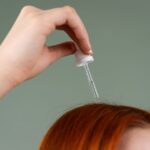
- Try rosemary oil topically. Dilute it in a carrier oil and apply to the scalp. One small trial showed results comparable to 2% minoxidil.
- Eat for blood sugar stability. Reduce refined carbohydrates and prioritize protein and vegetables. This supports hormonal health broadly.
- Manage stress and sleep. Chronic stress worsens shedding. Prioritize sleep and stress reduction even if the direct hair benefit is indirect.
- Be skeptical of DHT-blocking shampoos and proprietary blends. If a product does not disclose ingredient concentrations and has no human trials, there is no reason to expect it to work.
The honest summary: natural methods can support hair health and may modestly slow DHT-related thinning. They will not regrow a full head of hair on their own. If you want the best chance of regrowth, combine evidence-based treatments with the lifestyle factors above — and see a dermatologist early, because treatments work better before follicles are permanently lost.
Frequently Asked Questions
Can DHT be blocked naturally?
Partially. Some plant compounds like saw palmetto and green tea catechins show mild 5-alpha reductase inhibition in studies, but the effect is weaker than prescription medications. No natural method fully blocks DHT.
Does rosemary oil regrow hair?
One small trial found rosemary oil performed similarly to 2% minoxidil over six months. The evidence is limited to that single small study, so it should be viewed as promising but not proven.
How long does it take to see results from natural hair treatments?
Hair grows slowly — most studies measure results at three to six months minimum. If you see no change after six months of consistent use, the treatment is likely not working for you.
Are DHT blocking shampoos effective?
No strong evidence supports them. Contact time with the scalp is too brief and active ingredient concentrations are typically too low to match what studies have used.
