
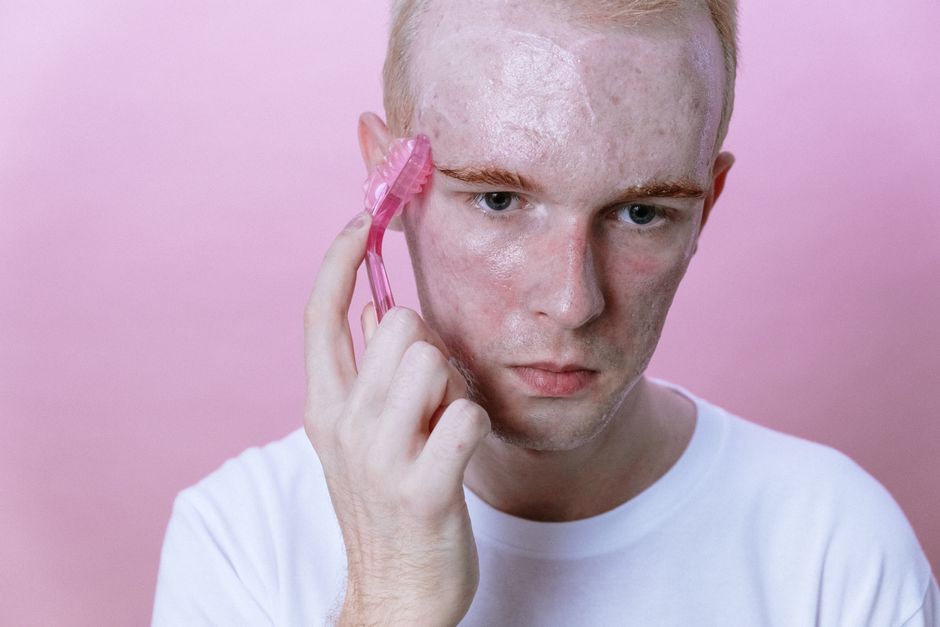
Cystic acne is the most severe form of acne, and the two things people ask about most are diet and stress. The honest answer is that both can make it worse, but neither one causes it on its own. Cystic acne starts deep in the skin when a hair follicle clogs with oil and dead skin cells, then becomes inflamed. Diet and stress can push that process harder, but they are triggers and aggravators, not the root cause.
What Actually Causes Cystic Acne?
Cystic acne is driven by four things happening at once inside a hair follicle. Excess oil production, dead skin cells that shed abnormally, the bacterium Cutibacterium acnes, and inflammation. When all four come together, the follicle wall can rupture deep in the skin. That rupture is what creates the tender, deep, pus-filled lump that defines cystic acne.
This is why cystic acne is different from a surface blackhead or whitehead. The problem is happening below the surface, which is also why topical creams often do not reach it.
Hormones are the biggest single driver. Androgens, which are present in both men and women, ramp up oil gland activity. This is why cystic acne often starts in the teen years and why it can flare around menstrual cycles, pregnancy, and conditions like polycystic ovary syndrome.
Genetics matter too. If a parent had severe acne, a person’s risk goes up. This is not something diet or stress management can override.
How Does Diet Make Cystic Acne Worse?
Diet does not cause cystic acne, but certain eating patterns are linked to more frequent and more severe flares. The strongest signal in the research points to high-glycemic diets.
High-glycemic foods raise blood sugar quickly. That triggers a spike in insulin, and insulin can raise levels of a hormone called IGF-1. Higher IGF-1 is associated with more oil production and more skin cell turnover — two of the four drivers of acne. So the mechanism is plausible and some studies support it, but the evidence is not strong enough to say diet alone will clear cystic acne.
What the research generally shows:
- High-glycemic diets — refined carbs, sugary drinks, white bread, and similar foods — are associated with more acne in several studies.
- Dairy, especially skim milk, has been linked to acne in some observational studies. The evidence is mixed and not consistent across all research.
- Whey protein supplements have been reported in case reports to trigger acne flares in some people.
What the research does not support is the idea that chocolate, greasy food, or a single “bad” meal directly causes a cyst. That is a persistent myth. Acne is not caused by surface oil from food touching your face.
If you want to test whether diet affects your skin, the most reasonable approach is to reduce high-glycemic foods for several weeks and observe. This is not a guaranteed fix, and it is not a substitute for medical treatment of severe cystic acne.
How Does Stress Make Cystic Acne Worse?
Stress can worsen acne, and the mechanism is fairly well understood. When you are under stress, your body releases cortisol and other hormones. Cortisol can increase oil production. Stress also increases inflammation throughout the body, which can make existing acne more red, more swollen, and slower to heal.
There is another layer. Stress can drive behaviors that worsen acne — picking at skin, skipping skincare routines, eating more high-glycemic comfort foods, and sleeping poorly. So stress may affect acne both directly through hormones and indirectly through behavior.
Some research suggests stress can also slow wound healing, which means a cyst may take longer to resolve when you are under chronic stress. The evidence here is not as strong as the evidence for hormones and oil production, but the direction is consistent.
What stress does not do is create a cyst out of nothing. If the follicle is not already clogged and inflamed, stress alone will not produce cystic acne.



What Makes Cystic Acne Worse: Diet, Stress, and More
Diet and stress get the most attention, but several other factors can make cystic acne worse. Understanding them helps you avoid making a bad situation worse.
- Picking and squeezing. This pushes bacteria and inflammation deeper and raises the risk of scarring. It is one of the most damaging things you can do.
- Harsh scrubbing. Aggressive washing irritates skin and can increase inflammation without clearing the deep blockage.
- Comedogenic products. Heavy moisturizers, some sunscreens, and certain cosmetics can clog follicles further.
- Certain medications. Some drugs, including specific steroids and lithium, are associated with acne flares. This is a conversation for your prescriber, not a reason to stop a medication on your own.
- Hormonal shifts. Menstruation, pregnancy, and stopping or starting hormonal birth control can all trigger flares.
- Friction and sweat. Tight clothing, helmets, and backpacks can worsen acne in those areas.
One non-obvious point: cystic acne is not a hygiene problem. People with severe cystic acne often wash more than average and still get flares. The issue is inside the follicle, not on the surface.
Does Cutting Dairy or Sugar Clear Cystic Acne?
No. Cutting dairy or sugar does not reliably clear cystic acne, and anyone who tells you it will is overstating the evidence. Some people notice improvement when they change their diet. Others notice nothing.
The research on diet and acne is mostly observational, which means it can show associations but cannot prove cause and effect. That is a real limitation. It is possible that people who eat more high-glycemic foods also differ in other ways that affect their skin.
A few small controlled trials have looked at low-glycemic diets in acne, and some found improvement. The trials were small and not all results were consistent. So the honest position is: diet may help some people, it is not a cure, and it should not replace dermatologic treatment for severe cystic acne.
If you have cystic acne and want to try dietary changes, that is reasonable alongside medical care. It is not reasonable as a replacement for it.
When Should You See a Doctor for Cystic Acne?
You should see a doctor or dermatologist if you have deep, painful lumps, if acne is leaving scars, or if over-the-counter products have not helped after a few months of consistent use. Cystic acne often does not respond to standard drugstore treatments because those products work on the surface.
Prescription options exist and are well established. These include topical retinoids, oral antibiotics for a limited course, hormonal treatments for some women, and isotretinoin for severe cases. Isotretinoin is effective but carries significant risks and requires monitoring, so it is a decision to make with a dermatologist.
Scarring is the main reason not to wait. Once a scar forms, treating it is harder than treating the acne that caused it. Early treatment of severe cystic acne is generally recommended for this reason.
Diet and stress management can support treatment. They are not a substitute for it when acne is deep, painful, and scarring.
Can You Prevent Cystic Acne Flares?
You cannot fully prevent cystic acne if you are genetically and hormonally predisposed to it. What you can do is reduce the factors that make it worse.
- Do not pick or squeeze. This is the single most controllable factor.
- Use gentle, non-comedogenic skincare. Avoid harsh scrubs and strong astringents.
- Manage stress where you can. Sleep, exercise, and consistent routines have general health benefits and may reduce stress-related flares.
- Consider whether high-glycemic foods or dairy seem to trigger your flares, and adjust if you notice a pattern.
- Follow your dermatologist’s treatment plan consistently. Acne treatment takes time, often several months, before results are clear.
One clarification worth stating: “gentle” does not mean ineffective. Many prescription acne treatments are used alongside gentle cleansers and moisturizers, not harsh ones. Irritating your skin does not speed up clearing.
Frequently Asked Questions
Does stress cause cystic acne?
Stress does not cause cystic acne, but it can make existing acne worse by raising oil production and inflammation. It can also drive picking and poor sleep, which worsen flares.
Does chocolate make cystic acne worse?
There is no strong evidence that chocolate specifically causes or worsens cystic acne. The broader link is with high-glycemic diets, not chocolate as a single food.
Will cutting out dairy clear my cystic acne?
Cutting dairy does not reliably clear cystic acne, and the evidence linking dairy to acne is mixed. Some people notice improvement, but it is not a dependable cure.
Can diet alone treat severe cystic acne?
No. Diet changes may help some people, but severe cystic acne usually needs prescription treatment to prevent scarring. Diet is a support, not a replacement for medical care.
