
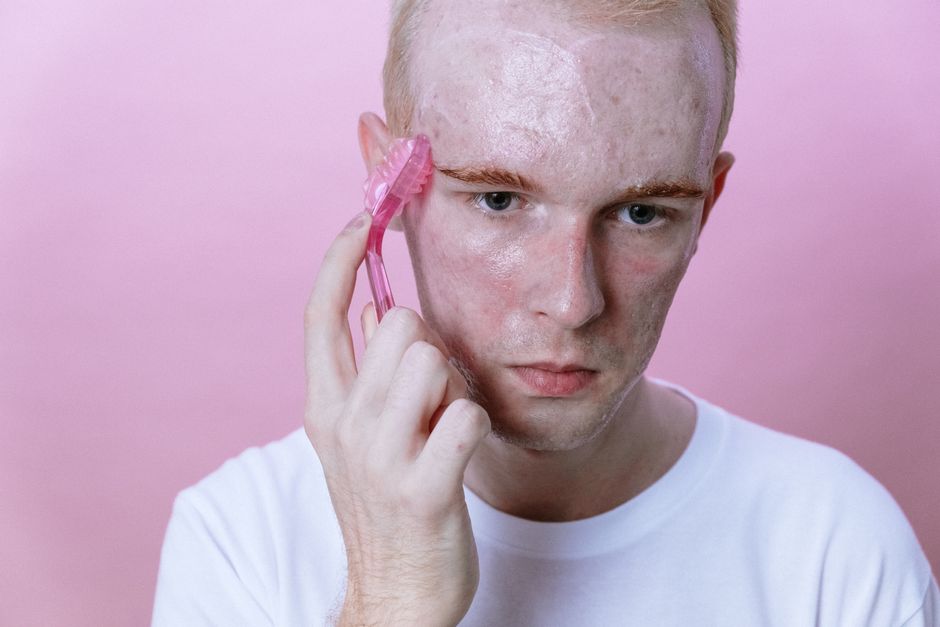
Hormonal acne is not just teenage acne that refused to leave. It is driven by a specific set of triggers: androgens, diet, and stress. Androgens such as testosterone tell your oil glands to produce more sebum. Diet influences hormone levels through blood sugar spikes and inflammation. Stress raises cortisol, which can amplify the effects of androgens. Together these factors create the perfect environment for breakouts, especially along the jawline and chin.
What Are Androgens and How Do They Cause Acne?
Androgens are hormones that both men and women produce. Testosterone, dihydrotestosterone (DHT), and dehydroepiandrosterone (DHEA) are the primary ones involved in acne. These hormones bind to receptors on your sebaceous glands — the tiny oil-producing glands attached to hair follicles. When activated, the glands enlarge and pump out more sebum.
Extra sebum alone does not cause acne. But it mixes with dead skin cells that shed inside the follicle. This combination clogs the pore. Trapped oil creates an ideal environment for Cutibacterium acnes, a bacterium that normally lives on skin, to overgrow. The immune system responds with inflammation, producing red, tender bumps we call pimples.
Androgen levels naturally rise during puberty. For many women, they also fluctuate during the menstrual cycle, pregnancy, and menopause. Polycystic ovary syndrome (PCOS) causes chronically high androgen levels, which is why women with PCOS often have persistent acne. Even small changes in androgen levels can trigger breakouts if your skin is sensitive to them.
Blood tests can measure androgen levels, but normal lab values do not rule out hormonal acne. Some people’s skin is simply more sensitive to normal levels of androgens. Your genes partly determine this sensitivity.
How Does Diet Affect Hormonal Acne?
The link between diet and acne has been debated for decades. Current evidence is clearer than it used to be but still has limits. Two dietary patterns have the most research behind them: high-glycemic foods and dairy.
High-glycemic foods — white bread, sugary drinks, pasta, pastries — cause rapid spikes in blood sugar. Your body releases insulin to bring blood sugar down. Insulin also increases insulin-like growth factor 1 (IGF-1). Both insulin and IGF-1 stimulate the ovaries and adrenal glands to produce more androgens. More androgens mean more oil. They also increase the skin’s production of sebum directly.
Several studies have found that people who follow low-glycemic diets have less acne than those who eat high-glycemic diets. Some research suggests that a low-glycemic, high-protein diet can reduce acne lesion counts by 20 to 50 percent over several weeks. But most studies are small and short-term. Diet alone is unlikely to clear moderate to severe acne, but it may help as part of a broader treatment plan.
Dairy is more controversial. Some studies, but not all, have found that milk — especially skim milk — is associated with more acne. The theory is that milk contains hormones and growth factors that can influence human androgen levels. One 2016 meta-analysis concluded that any dairy intake was associated with a higher risk of acne, but the quality of the included studies was moderate. Many experts now recommend a trial of limiting dairy for two to three months to see if acne improves, especially in those with mild to moderate disease.
Chocolate has been blamed for breakouts for generations. A few small studies have found that eating chocolate can worsen acne in people who are already prone to it. The evidence is not strong enough to advise everyone to stop eating chocolate. If you notice a pattern with a specific food, it may be worth reducing it.
No single acne diet works for everyone. Some evidence indicates that high-glycemic foods are more consistently linked to acne than dairy. The most practical advice is to reduce added sugars and refined carbohydrates rather than trying to eliminate every suspected trigger.
Can Stress Really Cause Breakouts?
Yes. Stress does not create acne on its own, but it can worsen existing acne and trigger new breakouts in people who are prone to them. The mechanism is hormonal and inflammatory.
When you are stressed, your body releases cortisol, the primary stress hormone. Cortisol triggers your adrenal glands to produce more androgens, particularly DHEA. These androgens then stimulate oil production just as your natural androgens do. Stress also increases inflammation throughout the body, which can make existing pimples more red and swollen. One study in college students found that acne severity was significantly higher during exam periods compared to low-stress times.
Stress affects behavior too. People under stress may sleep less, eat more sugary foods, and neglect their skincare routine. Each of these changes can independently worsen acne. The psychology of acne also matters. Having acne is stressful, and that stress can make the acne worse, creating a feedback loop.
Managing stress is unlikely to cure acne by itself, but it can help reduce breakouts. Practices such as moderate exercise, adequate sleep, and mindfulness techniques have been shown to lower cortisol levels. No large controlled trials have tested whether stress reduction alone can improve acne, but the physiological reasoning is solid, and many dermatologists include stress management as part of acne treatment.



How Do Androgens, Diet, and Stress Work Together?
These three factors do not operate in isolation. They overlap and amplify each other. High androgen levels increase your baseline oil production. A high-glycemic meal triggers more insulin, which raises free androgen levels further. Stress adds cortisol, which also boosts androgens. The result is a higher than normal load of oil in the pores.
Inflammation ties them together even more. High-glycemic diets increase inflammatory markers in the body. Stress also raises inflammation. Androgens themselves promote inflammatory pathways in the skin. When all three are present, the inflammatory response to a clogged pore may be more aggressive, leading to deeper, more painful cysts.
This is why addressing only one factor — for example, changing your diet but ignoring stress — may give incomplete results. A combination approach often works better. Not everyone needs to target all three. Someone with mild acne triggered by stress may see enough improvement from stress management alone. Someone with PCOS may need medication to lower androgens first, with diet and stress as supporting factors.
What About Genetics and Skincare?
Genetics plays a large role in whether you get acne and how severe it is. If both parents had acne, you are more likely to have it. Your genes influence how sensitive your sebaceous glands are to androgens, how much inflammation your immune system produces, and how quickly your skin cells shed. You cannot change your genetics, but you can influence the environment that interacts with them.
Skincare is important but works on a different layer. Topical treatments like benzoyl peroxide, salicylic acid, and retinoids help keep pores unclogged and reduce surface bacteria. They do not lower androgen levels or address dietary triggers. For some people, good skincare alone is enough for mild acne. For moderate to severe hormonal acne, topical treatments often need to be combined with treatments that address the root causes — androgens, diet, and stress.
Many people make the mistake of over-treating their skin when diet and stress are the primary drivers. Using harsh scrubs and alcohol-based toners can damage the skin barrier, making inflammation worse. Gentle cleansing and targeted products are usually more effective than aggressive routines.
Which Treatments Are Backed by Evidence?
For hormonal acne that does not respond to skincare alone, dermatologists have several evidence-based options. The choice depends on severity, gender, and whether you are trying to conceive.
Oral medications that lower androgens are effective for women with hormonal acne. Combined oral contraceptives (birth control pills) reduce circulating androgens and regulate the menstrual cycle. Spironolactone blocks androgen receptors on the sebaceous glands. Both have strong evidence from clinical trials. Spironolactone is not approved by the FDA for acne, but it has been used off-label for decades with good results. It is not for use during pregnancy.
Isotretinoin is a powerful medication that shrinks sebaceous glands and reduces oil production dramatically. It is effective for severe, treatment-resistant acne, including hormonal types. It requires close monitoring due to side effects.
Dietary changes have supporting evidence but are not a substitute for medication in moderate to severe cases. Reducing high-glycemic foods and limiting dairy may help. No specific supplement — zinc, vitamin D, probiotics — has enough evidence to be routinely recommended for acne. Some research suggests zinc can reduce inflammation, but large trials are lacking.
Stress management techniques such as regular exercise, adequate sleep, and cognitive behavioral therapy have indirect benefits. No large trial has proven that reducing stress alone clears acne, but it is safe and may improve overall health.
The most effective approach is usually a combination: topical treatments for the skin, medication or hormonal therapy for the root cause, and lifestyle changes for diet and stress. Working with a dermatologist helps tailor this to your specific situation.
Frequently Asked Questions
Does eating chocolate cause acne?
Some small studies suggest that chocolate can worsen acne in people already prone to it, but the evidence is not strong enough to recommend avoiding chocolate for everyone. If you notice your skin breaks out after eating chocolate, try reducing it for a few weeks to see if it helps.
Is hormonal acne the same as cystic acne?
Not exactly. Hormonal acne often appears as deep, painful cysts along the jawline and chin, which is why the terms are sometimes used interchangeably. But acne can be hormonal without being cystic, and cystic acne can have causes besides hormones.
Can stress alone cause acne without any other factors?
Stress alone is unlikely to cause acne in someone who has no other predisposing factors. But in someone with a genetic tendency or already elevated androgen levels, stress can trigger new breakouts and make existing acne worse.
How long does it take for diet changes to improve acne?
Some studies show improvement within four to six weeks of adopting a low-glycemic diet. Individual results vary, and it can take up to 12 weeks to see a noticeable difference. Consistency matters more than speed.
