
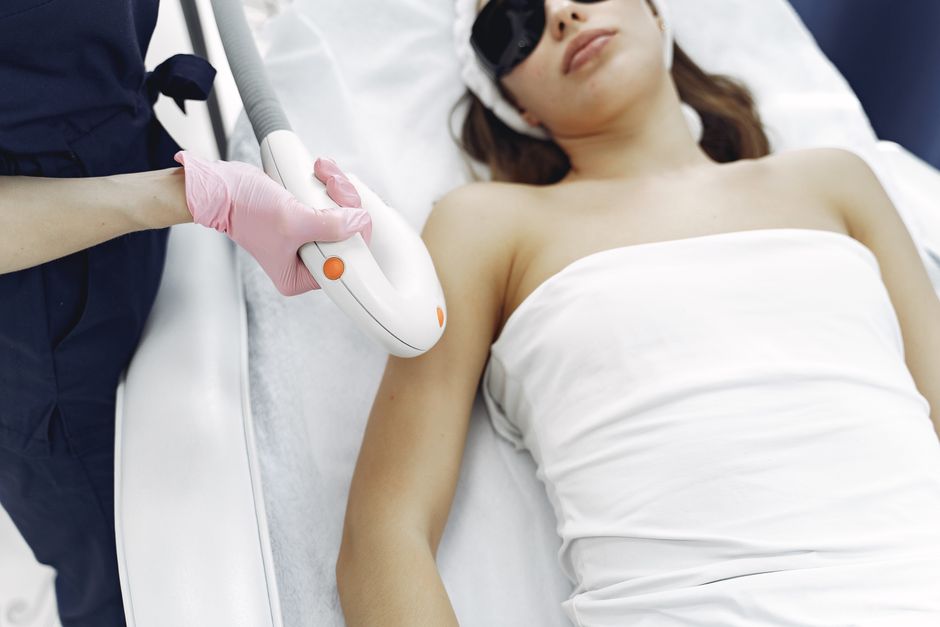
Laser hair removal is one of the most common cosmetic procedures in the United States, but most people focus on one question: will it get rid of the hair? A separate question often comes up in skin care circles: does the laser also tighten skin or boost collagen? The short answer is yes, the laser does stimulate some collagen production, but the effect is not the same as a dedicated skin-tightening treatment. Understanding the difference matters if you are deciding between treatments or trying to manage expectations.
Does Laser Hair Removal Stimulate Collagen Production?
Yes, laser hair removal does stimulate collagen production, but this is a secondary effect rather than the primary goal. The laser targets melanin in the hair follicle and generates heat that disables the follicle. That same heat spreads into the surrounding dermis, which is the deeper layer of skin where collagen lives. When the dermis is heated, the body responds by laying down new collagen fibers as part of the natural repair process.
This is not a myth. It is a documented physiological response to controlled thermal injury. However, the amount of collagen produced is modest compared to treatments specifically designed for skin tightening, such as radiofrequency or intense pulsed light devices used for that purpose. If your main goal is firmer skin, laser hair removal alone will likely disappoint you. If your main goal is permanent hair reduction with a mild skin-texture bonus, the collagen response is a genuine but minor benefit.
How Does the Laser Actually Affect Skin Structure?
Laser hair removal works by delivering a specific wavelength of light that is absorbed by melanin. Melanin is the pigment in hair and skin. The light energy converts to heat, which damages the hair follicle enough to slow or stop future growth. That heat does not stay perfectly contained. It radiates into the tissue around the follicle, including the papillary and reticular dermis.
Fibroblasts are the cells responsible for producing collagen and elastin. When they are exposed to heat in the range commonly used in laser hair removal, they become more active. Some research suggests that heat stress triggers a wound-healing cascade that increases collagen synthesis. This is the same basic principle behind many cosmetic procedures that use heat to remodel skin.
But there is an important distinction. Laser hair removal uses a wavelength and pulse duration optimized for hair follicles, not for dermal remodeling. The energy is delivered in short bursts that heat the follicle quickly. A skin-tightening laser uses different parameters, often longer pulses or different wavelengths, to heat the dermis more broadly and deeply. The collagen response from laser hair removal is a byproduct, not the intended target.
What Kind of Collagen Changes Can You Expect?
The collagen produced after laser hair removal is primarily collagen type III, which is the type associated with early wound healing. Over time, some of this is replaced by collagen type I, which is the stronger, more organized form found in healthy skin. This process takes weeks to months. The visible result is usually subtle — slightly smoother skin texture or a mild improvement in the appearance of fine lines in the treated area.
Do not expect dramatic tightening. Laser hair removal will not lift sagging skin, erase deep wrinkles, or produce the kind of firming you would get from a facelift or a dedicated skin-tightening device. The collagen stimulation is real but limited. People who notice the most benefit are often those with mild sun damage or early signs of aging in areas like the lower legs or upper lip, where the skin is thinner and the laser’s thermal effect reaches the dermis more easily.
One honest note: the clinical evidence for collagen stimulation from laser hair removal is not as robust as the evidence for hair reduction. Hair reduction has been studied extensively with clear success rates. The collagen effect is supported by the known biology of thermal skin injury and by smaller studies, but it is not the primary outcome measured in most clinical trials. Treat the collagen benefit as a plausible bonus, not a guaranteed result.





Does the Skin Type or Laser Type Change the Collagen Effect?
Yes. The type of laser used and your skin tone both influence how much heat reaches the dermis. Alexandrite lasers, which use a wavelength of 755 nanometers, are well absorbed by melanin and are common for lighter skin tones. Diode lasers, at 800 to 810 nanometers, penetrate slightly deeper. Nd:YAG lasers, at 1064 nanometers, penetrate deepest and are often used for darker skin tones because they are less absorbed by melanin in the skin surface.
Deeper penetration generally means more dermal heating, which could translate to more collagen stimulation. But deeper penetration also means the energy is spread over a larger volume of tissue, so the per-unit heat in the dermis may be lower. There is no strong evidence that one laser type produces significantly more collagen than another. The differences are more theoretical than proven.
Skin tone matters in a different way. People with darker skin have more melanin in the epidermis, the top layer of skin. This can absorb some of the laser energy before it reaches the dermis, reducing the thermal effect on deeper tissue. Clinicians adjust settings for darker skin to reduce burn risk, which may also reduce the collagen-stimulating effect. This is not a reason to avoid treatment, but it is a reason to have realistic expectations.
How Does This Compare to Dedicated Skin-Tightening Treatments?
If collagen production is your primary concern, dedicated treatments are more effective. Radiofrequency devices heat the dermis directly without targeting melanin, which makes them safe for all skin tones and more efficient at stimulating collagen. Microneedling with radiofrequency combines physical injury with heat to trigger a stronger wound-healing response. These treatments are designed specifically to remodel collagen and can produce measurable improvements in skin laxity.
Laser resurfacing, such as fractional CO2 or erbium lasers, removes or damages the epidermis and heats the dermis to trigger significant collagen remodeling. These treatments require downtime and carry more risk, but the collagen response is far more pronounced than what you get from laser hair removal.
The comparison is not about which is better in an absolute sense. It is about matching the treatment to the goal. Laser hair removal is excellent for reducing hair. If you also want firmer skin, you may need a separate procedure. Some clinics offer combination treatments, but these are not standardized and their added benefit is not well documented.
Are There Risks to the Skin From Laser Hair Removal?
Laser hair removal is generally safe when performed by a qualified professional, but it is not risk-free. The most common side effects are temporary redness and swelling around the hair follicles, which usually resolve within a few hours to a day. More serious risks include burns, blistering, and changes in skin pigmentation, either darkening or lightening of the treated area.
The collagen response itself is not a risk. It is a normal healing response. But aggressive laser settings intended to maximize collagen could increase the risk of burns or scarring. This is why the procedure should always be done by a licensed professional who adjusts settings based on your skin type, hair color, and the area being treated. At-home laser devices use lower energy levels and are safer in that regard, but they also produce less collagen stimulation and are less effective for permanent hair reduction.
If you have a history of keloid scarring, active skin infections, or are taking medications that increase photosensitivity, talk to a dermatologist before treatment. These conditions can change how your skin responds to laser energy and increase the risk of complications.
Can You Combine Laser Hair Removal With Other Collagen-Boosting Treatments?
Yes, combining treatments is common, but timing matters. If you are planning both laser hair removal and a collagen-stimulating treatment like microneedling or radiofrequency, you should space them out. Doing them in the same session can increase the risk of excessive skin irritation and poor healing. A common approach is to wait at least two to four weeks between different laser or energy-based treatments.
There is no strong evidence that combining treatments in a specific sequence produces better collagen results than doing them separately. The main benefit of combining is convenience, not necessarily improved outcomes. Your provider may have a preferred protocol, but the evidence base for these combinations is limited.
Topical products can also support collagen production, though their effect is modest. Retinoids, vitamin C, and peptides are the most studied ingredients for collagen support. These are not a replacement for laser treatments, but they can be used in between sessions to maintain skin health. No topical product can stimulate collagen as effectively as a controlled thermal injury to the dermis.
Frequently Asked Questions
Does laser hair removal tighten skin?
Laser hair removal can produce a mild tightening effect due to collagen stimulation, but it is not a skin-tightening treatment. For significant tightening, dedicated procedures like radiofrequency or laser resurfacing are more effective.
How long does it take to see collagen benefits from laser hair removal?
Collagen remodeling takes time, and visible changes usually appear over several weeks to months after the treatment series. The effect is subtle and may not be noticeable to anyone other than you.
Can laser hair removal make wrinkles worse?
No, laser hair removal does not make wrinkles worse. The heat from the laser can stimulate collagen, which may slightly improve fine lines, but it will not reverse deep wrinkles.
Is laser hair removal safe for all skin types?
Laser hair removal is safe for all skin types when performed by a qualified professional using the appropriate laser wavelength and settings. Darker skin tones require lower energy settings to reduce the risk of pigmentation changes.
