
Proteins are built from chains of amino acids, and what makes a protein a protein is the specific sequence of those amino acids plus the way that chain folds into a three-dimensional shape. That sequence is coded by your DNA and joined together by peptide bonds. The folded shape is what allows the protein to do its job.
That is the short answer. The longer answer involves a few layers of structure, some chemistry that holds everything in place, and the reasons a protein’s shape matters so much for your health.
What Makes a Protein a Protein?
Four things separate a protein from every other molecule in your body. It is a chain of amino acids, the amino acids are linked by peptide bonds, the chain folds into a defined shape, and that shape determines its function.
Amino acids share a common backbone: an amino group, a carboxyl group, a central carbon, and a hydrogen. What differs is the side chain attached to that central carbon. There are 20 standard amino acids used to build human proteins, and each has a different side chain. Some side chains carry a charge. Some repel water. Some are bulky, some small.
When two amino acids join, the carboxyl group of one reacts with the amino group of the next and releases a water molecule. The resulting link is a peptide bond. String a few together and you have a peptide. String many together and you have a polypeptide. A protein is generally a polypeptide long enough to fold into a stable, functional shape.
That distinction between peptide and protein is not sharp. It is a matter of length and structure, not a hard line. What matters more is that the chain folds.
What Are the Four Levels of Protein Structure?
Biochemists describe protein structure in four levels, and each level builds on the one before it.
The primary structure is the sequence of amino acids. This is the most fundamental level. Change one amino acid in the chain and you can change everything downstream. The sequence is determined by your genes, and it is read out during protein synthesis.
The secondary structure is how local stretches of the chain arrange themselves. Two common patterns are the alpha helix, a coil, and the beta sheet, a flat pleated arrangement. Both are held together by hydrogen bonds between atoms in the backbone of the chain.
The tertiary structure is the overall three-dimensional shape of a single chain. This is where the side chains matter most. Some are attracted to water and sit on the outside. Others avoid water and tuck into the interior. Disulfide bonds between cysteine residues can lock parts of the shape in place.
The quaternary structure is how multiple folded chains come together. Hemoglobin is the classic example. It is made of four separate chains, and all four are needed for it to carry oxygen properly.
Not every protein has a quaternary structure. Many work fine as a single folded chain. But when a protein does assemble from multiple parts, each part usually has to fold correctly before the whole thing works.
How Does a Protein’s Shape Determine Its Job?
Shape and function are tied together. A protein’s shape creates pockets, grooves, and surfaces that other molecules fit into. That fit is what allows the protein to do its work.
Enzymes are the clearest example. An enzyme has a region called an active site where a specific molecule, its substrate, binds. The shape of the active site determines which molecules can bind and which cannot. This is often described as a lock-and-key fit, though in reality the fit is more flexible than that image suggests.
Hemoglobin carries oxygen because its shape creates binding sites for oxygen molecules. Antibodies recognize specific targets because the tips of their folded chains match the shape of a piece of a virus or bacterium. Structural proteins like collagen form long, tough fibers because of how their chains wind together.
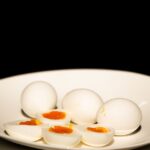
When a protein loses its shape, it usually loses its function. This process is called denaturation. Heat, extreme pH, and certain chemicals can cause it. That is what happens when you cook an egg. The egg white proteins unfold and clump together, turning from clear and runny to white and solid. The amino acid sequence is unchanged. The shape is not.
In the body, some denaturation is normal and useful, such as in the stomach where acid unfolds dietary proteins so digestive enzymes can reach them. But when proteins in the body misfold and clump together, that can cause disease.



How Does Your Body Build Proteins?
Your cells build proteins through a process called protein synthesis, and it happens in two main stages.
During transcription, a section of DNA is copied into a molecule called messenger RNA. During translation, that messenger RNA is read by a structure called the ribosome, and amino acids are added one at a time in the order the RNA specifies. Transfer RNA molecules bring each amino acid to the growing chain.
Once the chain is built, it folds. Some proteins fold on their own as they are being made. Others need help from chaperone proteins, which create an environment where folding can happen correctly. Folding is not always perfect, and cells have quality control systems that recognize and deal with misfolded proteins.
The amino acids themselves come from two places. Your body can make some of them, called nonessential amino acids. The others, called essential amino acids, must come from food. There are nine essential amino acids for adults. Histidine, isoleucine, leucine, lysine, methionine, phenylalanine, threonine, tryptophan, and valine.
If even one essential amino acid is in short supply, protein synthesis can slow down, because the chain cannot be completed without it. This is why protein quality is usually assessed by how well a food supplies all nine.
What Is the Difference Between a Peptide and a Protein?
The difference comes down to length and structure, not a single cutoff point. Short chains are called peptides. Long chains that fold into a stable shape are called proteins.
Collagen, for instance, is a protein. The chains are long and assemble into fibers. Insulin, by contrast, is often described as a peptide hormone. It is much shorter, at 51 amino acids, but it still folds into a defined shape and has a specific job.
This matters for how you read product labels. Collagen peptides in a supplement are collagen that has been broken into shorter fragments. They are still made of the same amino acids, but they no longer have the long fiber structure of intact collagen. Whether they behave the same way in the body is a separate question, and the evidence there is limited.
In everyday language, the terms get used loosely. In biochemistry, the length and the folded shape are what count.
What Happens When Proteins Misfold?
Misfolding is when a protein takes on the wrong shape or clumps together with other misfolded proteins. Because shape determines function, this can disrupt normal biology.
Some diseases are linked to misfolded proteins that accumulate in tissues. These include certain neurodegenerative conditions. The exact role misfolding plays in each of them is still an active area of research, and the picture is not fully settled.
Not all misfolding is harmful. Cells constantly produce proteins that fail quality control and are broken down and recycled. That is normal housekeeping. Problems arise when the system for clearing misfolded proteins cannot keep up, or when a misfolded protein becomes stable enough to build up over time.
What is well established is the general principle: a protein’s function depends on its shape, and when that shape is lost, function is usually lost too.
Do You Need to Worry About Protein Structure in Your Diet?
Not in the way you might think. Your digestive system breaks dietary proteins down into amino acids and small peptides before they are absorbed.
That means the shape of a protein in food does not carry over into your body. What matters is the amino acids it provides and whether they cover your needs.
This is why the idea that a specific protein’s structure survives digestion and does something special is usually not supported. Some small peptides do survive digestion and can have biological effects, and this is an area of active research. But for most dietary proteins, the body treats them as a source of amino acids.
What does matter is getting enough total protein and enough of the essential amino acids. Most plant foods are lower in one or more essential amino acids, while animal foods tend to supply all nine in good amounts. Eating a variety of plant proteins across the day generally covers the gap, though the timing and amount needed to do so is debated.
Frequently Asked Questions
What makes a protein a protein?
A protein is a chain of amino acids linked by peptide bonds that folds into a specific three-dimensional shape. The sequence of amino acids and the folded shape together determine what the protein does.
What are the four levels of protein structure?
They are primary (amino acid sequence), secondary (local patterns like alpha helices and beta sheets), tertiary (the overall 3D shape of one chain), and quaternary (how multiple chains assemble together). Not every protein has a quaternary structure.
Does cooking destroy protein?
Cooking denatures protein, meaning it unfolds and changes shape, but it does not destroy the amino acids. Your digestive system breaks proteins into amino acids regardless of their original shape.
How many amino acids are essential for adults?
There are nine essential amino acids for adults: histidine, isoleucine, leucine, lysine, methionine, phenylalanine, threonine, tryptophan, and valine. They must come from food because the body cannot make them.
