
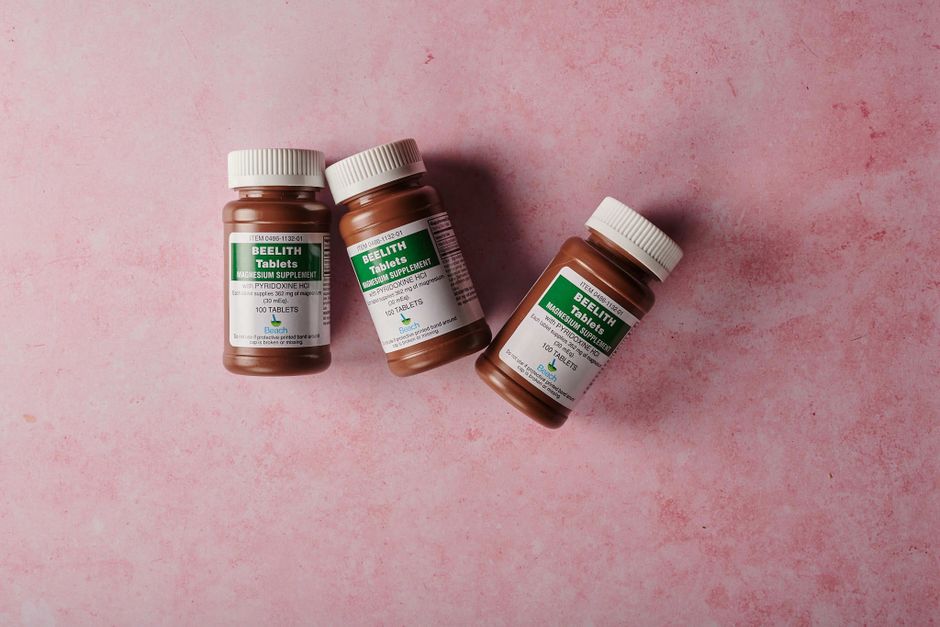
There is no single magnesium supplement proven best for anxiety. The evidence points to magnesium glycinate as a reasonable first choice for most people because it is well absorbed and less likely to cause digestive upset, but no large head-to-head trial has shown it outperforms other forms for anxiety specifically.
Magnesium plays a real role in how the nervous system regulates stress. That part is well established. What is far less clear is whether taking a supplement meaningfully reduces anxiety symptoms in people who are not magnesium deficient.
Does Magnesium Actually Help With Anxiety?
Magnesium is involved in hundreds of enzyme reactions in the body, including those that regulate the stress response. It modulates the HPA axis, the system that controls cortisol release, and it influences GABA, a neurotransmitter that calms nerve activity. These mechanisms are well documented in physiology research.
Whether supplementing with magnesium reduces anxiety symptoms is a different question. Some small studies have found improvements in anxiety scores among people taking magnesium, but many of these studies were short, involved few participants, or combined magnesium with other nutrients. The results are not consistent enough to call this settled science.
A 2017 review published in the journal Nutrients examined the relationship between magnesium and anxiety. The authors concluded that while the evidence is promising, most available studies were of low quality, and larger controlled trials are needed. That assessment still reflects the general state of the research.
What complicates the picture further is that many people in the US do not meet the recommended daily intake for magnesium. The National Institutes of Health notes that a substantial portion of adults consume less than the estimated average requirement. If you are low, correcting that shortfall may help how you feel. If your levels are already adequate, adding more may not do much for anxiety.
This distinction matters. Magnesium supplementation is most likely to help people who are genuinely deficient or borderline deficient. For everyone else, the benefit for anxiety is uncertain.
What Magnesium Supplement Is Best For Anxiety?
Magnesium comes in many forms, and they differ in how well the body absorbs them and what side effects they cause. For anxiety, the form matters mainly because you want something your body can use without causing stomach problems that make you stop taking it.
Magnesium glycinate is magnesium bound to the amino acid glycine. It is absorbed relatively well and is generally gentle on the digestive tract. Glycine itself has calming properties in the nervous system, though whether that adds meaningful benefit when combined with magnesium is not established. Many clinicians recommend this form for people dealing with anxiety or sleep issues.
Magnesium citrate is well absorbed and widely available. It has a mild laxative effect, which can be helpful or annoying depending on your situation. It is often a good option if constipation is also a concern.
Magnesium oxide is cheap and common in drugstores, but it is poorly absorbed. Only a small fraction of the magnesium in oxide form reaches the bloodstream. It is more useful as a laxative than as a way to raise magnesium levels.
Magnesium taurate pairs magnesium with taurine, an amino acid that affects heart rhythm and nerve function. Some researchers have proposed it may be helpful for anxiety and cardiovascular issues, but clinical trials in humans are limited.
Magnesium L-threonate is marketed for brain health. It may cross the blood-brain barrier more efficiently in animal studies, but human research on anxiety is very limited. It is also expensive.
Magnesium malate is bound to malic acid and is sometimes recommended for fatigue. Evidence for anxiety specifically is minimal.
If you want a practical starting point: magnesium glycinate is the form most often suggested by clinicians for anxiety, mainly because it is well tolerated and well absorbed. That is a clinical preference, not a proven ranking.
How Do You Choose the Right Form and Dose?
Dose matters more than form in many cases. The Recommended Dietary Allowance for magnesium for adults is 310 to 320 mg per day for women and 400 to 420 mg per day for men, according to the National Institutes of Health. These are total daily amounts from food and supplements combined.
Supplement doses are typically lower than the RDA because you also get magnesium from food. A common supplement range is 200 to 400 mg per day, but this is not a formal guideline for anxiety. No established clinical guideline specifies a magnesium dose for treating anxiety symptoms.
The tolerable upper limit for magnesium from supplements (not food) is 350 mg per day for adults, set by the Institute of Medicine. Going above that increases the risk of diarrhea, nausea, and abdominal cramping. People with kidney disease should not take magnesium supplements without medical supervision because impaired kidneys cannot clear excess magnesium efficiently.
Timing is flexible. Some people take magnesium with food to reduce stomach upset. Others take it in the evening because they find it relaxing, though whether it actually improves sleep is not firmly established.





What Does the Research Actually Show?
Most studies on magnesium and anxiety have significant limitations. They tend to be small, short in duration, and sometimes use combinations of nutrients rather than magnesium alone. This makes it hard to isolate magnesium’s specific effect.
Some research has looked at magnesium in specific populations. A study published in PLOS ONE examined magnesium supplementation in people with mild-to-moderate anxiety and found reduced anxiety symptoms compared to placebo. But the sample was small, and the findings have not been consistently replicated in larger trials.
Other studies have looked at magnesium alongside vitamin B6 or other nutrients. These combinations sometimes show benefit, but it is impossible to say whether magnesium is the active ingredient or whether the combination matters.
What is clear from the broader research is that magnesium deficiency can affect mood and neurological function. Correcting a deficiency is important. Whether magnesium supplementation helps anxiety in people who are not deficient remains an open question.
This is not a reason to dismiss magnesium. It is a reason to be honest about what the evidence supports and what it does not.
Are There Risks or Interactions to Know About?
Magnesium supplements are generally well tolerated by healthy adults when taken at appropriate doses. The most common side effects are digestive: loose stools, nausea, and cramping. These are more likely with magnesium oxide and citrate than with glycinate.
Magnesium can interact with certain medications. It may reduce absorption of some antibiotics, including tetracyclines and fluoroquinolones, and bisphosphonates used for osteoporosis. Separating doses by a few hours usually avoids this problem, but check with your pharmacist.
People with kidney disease are at risk of magnesium accumulation, which can be dangerous. If you have reduced kidney function, do not take magnesium supplements without talking to your doctor first.
Magnesium can also interact with diuretics, proton pump inhibitors, and some other medications. If you take prescription drugs, it is worth a quick conversation with your healthcare provider before adding magnesium.
Should You Try Magnesium for Anxiety?
Magnesium is not a treatment for anxiety disorders. If you are dealing with persistent anxiety that affects your daily life, a supplement is not a substitute for professional care. Therapy, medication, and lifestyle changes have much stronger evidence behind them for anxiety disorders.
That said, magnesium is a nutrient your body needs. If your diet is low in magnesium-rich foods like leafy greens, nuts, seeds, and whole grains, addressing that gap makes sense for your overall health. Whether it will reduce your anxiety is uncertain.
If you want to try magnesium, magnesium glycinate is a reasonable choice. Start with a moderate dose, see how you tolerate it, and give it several weeks before deciding whether it helps. Do not expect dramatic changes.
If anxiety is interfering with your sleep, work, or relationships, talk to a healthcare provider. Magnesium might be part of your routine, but it should not be the only thing you try.
Frequently Asked Questions
What is the best magnesium supplement for anxiety?
Magnesium glycinate is often recommended because it is well absorbed and gentle on the stomach. However, no large trial has proven it works better than other forms for anxiety specifically.
How much magnesium should I take for anxiety?
No clinical guideline specifies a magnesium dose for anxiety. The RDA for adults is 310 to 420 mg per day from all sources, and supplement doses typically range from 200 to 400 mg.
Can magnesium cure anxiety?
No. Magnesium is not a treatment for anxiety disorders. It may help correct a deficiency, but anxiety disorders typically require professional care.
How long does magnesium take to work for anxiety?
There is no established timeline. Some studies show effects within a few weeks, but results vary and no standard duration has been confirmed.
