
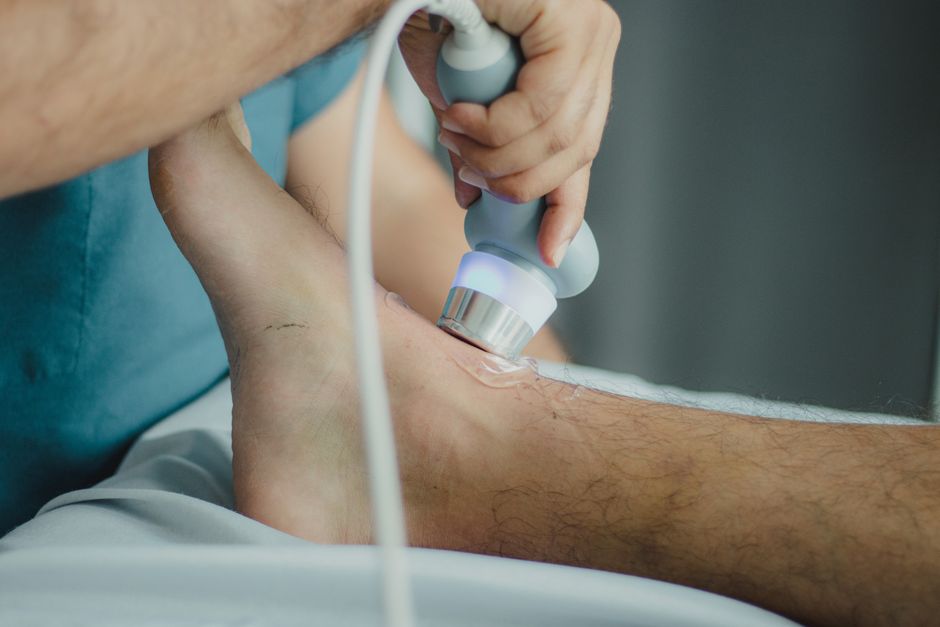
Neuropathy is a condition where nerves outside the brain and spinal cord become damaged, causing symptoms like numbness, tingling, burning pain, and muscle weakness. Most people do not know that neuropathy is not a single disease but a symptom of underlying problems, with diabetes causing about half of all cases. The condition affects over 20 million Americans, and while it can be frustrating and painful, understanding what is actually happening in your body is the first step toward managing it effectively.
What Is Neuropathy and Why Does It Happen?
Neuropathy, also called peripheral neuropathy, happens when the peripheral nerves are damaged. These nerves connect your brain and spinal cord to the rest of your body. They control everything from feeling your feet on the ground to moving your fingers.
When these nerves get damaged, they send wrong signals to your brain. You might feel pain when nothing is hurting you. Or you might not feel anything when something is actually touching you. This is why neuropathy can feel so confusing and frustrating.
Research shows that high blood sugar is the most common cause. Diabetes damages the small blood vessels that feed your nerves. Over time, those nerves starve and break down. Other causes include autoimmune diseases like lupus or rheumatoid arthritis, infections like shingles, and vitamin B12 deficiency.
Some people develop neuropathy after chemotherapy. Others get it from heavy alcohol use over many years. And sometimes, doctors never find the exact cause. This is called idiopathic neuropathy, and it is more common than most people realize.
What Are the First Signs of Neuropathy?
The first signs of neuropathy usually start in the feet and hands. This is called a stocking-glove pattern because it follows where socks and gloves would cover your skin.
You might notice a pins-and-needles feeling that comes and goes. Some people describe it like their foot has fallen asleep and will not wake up. Others feel a burning sensation, like walking on hot sand.
Numbness is another early sign. You might not notice a small cut on your foot because you cannot feel it. This can lead to infections that become serious. As of 2026, current research suggests that catching these early signs can prevent many complications.
Muscle weakness can also appear. You might trip more often or have trouble gripping small objects. Some people notice their hands cramping when they write or type.
The symptoms often start mild and get worse over months or years. They rarely appear all at once. This slow progression tricks many people into thinking it is just part of getting older.
What Causes Neuropathy to Get Worse?
Several things can make neuropathy progress faster. The biggest one is uncontrolled blood sugar. Studies have found that keeping blood sugar in a healthy range can slow nerve damage by more than 50 percent.
Alcohol is another major factor. Alcohol is directly toxic to nerves. It also blocks your body from absorbing thiamine and other B vitamins that nerves need to stay healthy. Heavy drinkers with neuropathy often see their symptoms worsen quickly if they keep drinking.
Vitamin deficiencies play a bigger role than most people realize. B12 deficiency is especially common in older adults and people who take acid reflux medications. Your nerves need B12 to maintain their protective coating. Without it, they break down.
Some medications can also make neuropathy worse. Certain chemotherapy drugs are known to cause nerve damage. Some antibiotics and antiviral drugs can trigger symptoms in people who are already at risk.
Repetitive stress injuries can worsen neuropathy in specific areas. Carpal tunnel syndrome is a form of neuropathy that gets worse with repeated wrist movements. The same thing can happen in your feet from poorly fitting shoes or standing for long hours.





How Is Neuropathy Diagnosed?
Diagnosing neuropathy starts with a physical exam and a detailed conversation about your symptoms. Your doctor will ask when the symptoms started, where you feel them, and what makes them better or worse.
A nerve conduction study is one of the most common tests. Small electrodes are placed on your skin. They send mild electrical pulses through your nerves to measure how fast they respond. It is not painful for most people, though it can feel strange.
Electromyography tests the electrical activity in your muscles. A thin needle is inserted into the muscle to measure its response. This test can tell whether your symptoms come from nerve damage or from a muscle problem.
Blood tests are essential for finding underlying causes. Doctors check for diabetes, vitamin deficiencies, thyroid problems, and autoimmune markers. If all these tests come back normal, your doctor may label it idiopathic neuropathy.
Some people report that getting a diagnosis takes too long. This is a valid frustration. Neuropathy symptoms can mimic many other conditions, and doctors often run multiple tests before finding the real cause.
What Treatments Actually Work for Neuropathy?
Treatment depends on what is causing the nerve damage. For diabetic neuropathy, the most effective treatment is tight blood sugar control. Research shows that every 1 percent drop in A1C levels reduces neuropathy risk by about 30 percent.
For pain management, several medications have strong evidence behind them. Gabapentin and pregabalin are commonly prescribed. They calm overactive nerves and reduce pain signals. Some studies suggest they reduce pain by 30 to 50 percent in people who respond well.
Antidepressants like amitriptyline and duloxetine also work for nerve pain. They change how your brain processes pain signals. These medications are often used in lower doses than what is prescribed for depression.
Topical treatments can help with localized pain. Lidocaine patches numb the area where you apply them. Capsaicin cream, made from chili peppers, can reduce pain by depleting a substance called substance P that nerves use to send pain signals.
Physical therapy is underused but effective. Therapists teach exercises that improve balance and strengthen muscles weakened by neuropathy. This can prevent falls and keep you mobile.
| Treatment | How It Works | Evidence Level |
|---|---|---|
| Blood sugar control | Reduces further nerve damage | Strong |
| Gabapentin/pregabalin | Calms overactive nerves | Strong |
| Amitriptyline/duloxetine | Changes pain processing in brain | Strong |
| Physical therapy | Improves balance and strength | Moderate |
| Capsaicin cream | Depletes pain-signaling chemicals | Moderate |
| Vitamin B12 supplements | Supports nerve repair if deficient | Moderate |
What Should You Avoid When Managing Neuropathy?
Avoid treatments that promise a cure. There is no cure for most types of neuropathy. Anyone who claims otherwise is either misinformed or selling something. As of 2026, there is no clinical evidence that any supplement, device, or diet can reverse nerve damage completely.
Be careful with over-the-counter nerve pain creams. Some contain ingredients that can burn or irritate your skin. Test a small area first before applying them to larger areas.
Avoid wearing shoes that are too tight or too loose. Ill-fitting shoes can compress nerves in your feet and make symptoms worse. Look for shoes with wide toe boxes and good cushioning.
Do not ignore foot injuries. Numbness means you might not feel a cut or blister. Check your feet daily for any redness, swelling, or breaks in the skin. This is especially important if you have diabetes.
Avoid excessive alcohol. Even moderate drinking can worsen symptoms in some people. If you notice your symptoms flaring after drinking, consider cutting back or stopping entirely.
What Lifestyle Changes Can Help?
Exercise is one of the most effective lifestyle changes for neuropathy. Aerobic exercise improves blood flow to your nerves. Strength training builds muscle that can compensate for weak areas. Balance exercises reduce fall risk.
A Mediterranean-style diet may help. This diet is high in vegetables, fruits, whole grains, and healthy fats like olive oil. Some studies suggest it reduces inflammation that can worsen nerve damage.
Quitting smoking makes a real difference. Smoking constricts blood vessels, including the tiny ones that feed your nerves. People who quit often report their symptoms stabilize or even improve slightly over time.
Managing stress is important but often overlooked. Stress raises cortisol levels, which can increase inflammation throughout your body. Deep breathing, meditation, or gentle yoga can help lower your stress response.
Some people report that warm baths or heating pads help with pain. Others find cold packs work better. Experiment to see what your body responds to. Just be careful not to burn yourself if you have numbness.
Common Misconceptions About Neuropathy
One common misconception is that neuropathy only affects older people. While it is more common after age 60, younger people can develop it too. Chemotherapy-induced neuropathy affects many cancer survivors in their 30s and 40s.
Another misconception is that neuropathy always causes pain. Some people only have numbness or tingling. Others have muscle weakness without any unusual sensations. The symptoms vary widely from person to person.
Many people believe that neuropathy is always permanent. While nerve damage cannot be reversed in most cases, some types can improve. Neuropathy caused by vitamin deficiency often gets better when the deficiency is corrected. Chemotherapy-related neuropathy sometimes improves after treatment ends.
Some people think that if tests come back normal, nothing is wrong. This is not true. Idiopathic neuropathy is a real diagnosis. It means doctors have ruled out known causes but the symptoms are still present. Your symptoms are valid even when the cause is unclear.
Frequently Asked Questions About What Is Neuropathy
Can neuropathy go away on its own?
Some types of neuropathy can improve if the underlying cause is treated, but most cases require ongoing management rather than expecting a complete cure.
What is the fastest way to relieve neuropathy pain?
Medications like gabapentin or topical lidocaine patches can provide relatively fast relief, though it often takes a few days to find the right dose.
Is neuropathy a sign of something serious?
Neuropathy can signal an underlying condition like diabetes or an autoimmune disorder, so it is important to see a doctor for proper testing.
Does exercise make neuropathy worse?
Gentle exercise usually helps neuropathy by improving blood flow, but high-impact activities might aggravate symptoms if you have balance problems or foot numbness.
