
You have likely seen the headline “How I Cured My Neuropathy in Feet” while searching for relief. The honest answer is that there is no cure for most forms of neuropathy. What many people call a cure is actually a combination of treatments that manage symptoms and sometimes reverse damage if caught early. This article explains what actually works, what does not, and whether “cured” is the right word at all.
What Causes Neuropathy in Feet?
Neuropathy is damage to the peripheral nerves. These nerves carry signals between your brain and your feet. When they are damaged, you feel pain, tingling, numbness, or burning.
The most common cause is diabetes. High blood sugar damages nerve fibers over time. Other causes include vitamin deficiencies, especially B12, B6, and E. Alcohol use, autoimmune diseases like lupus, and certain chemotherapy drugs can also cause it.
Sometimes doctors never find the cause. This is called idiopathic neuropathy. It is frustrating but common. About one in three people with neuropathy never get a clear diagnosis.
Current research suggests that inflammation plays a bigger role than we once thought. This matters because it opens the door to treatments that target inflammation directly.
Can Neuropathy in Feet Be Reversed?
Reversal depends entirely on the cause. If neuropathy is caused by a vitamin deficiency, fixing that deficiency can stop the damage. In some cases, the nerves can heal over time. This is the closest thing to a “cure” we have.
If neuropathy is caused by diabetes, strict blood sugar control can slow progression. Some people see improvement in symptoms. But full reversal is rare once nerve damage is established.
If neuropathy is caused by chemotherapy or autoimmune disease, it may improve once the trigger is removed. But this is not guaranteed. Nerves heal slowly, if they heal at all.
Here is the hard truth: most people with chronic neuropathy will not be cured. They will manage it. That does not mean you cannot feel better. Many people reduce their pain significantly with the right approach.
What Treatments Actually Help?
There is no single treatment that works for everyone. But some treatments have strong evidence behind them. Others are widely claimed but have little proof.
| Treatment | Evidence Level | What It Does |
|---|---|---|
| Alpha-lipoic acid | Moderate | May reduce pain and improve nerve function in some people. Works best when taken early. |
| Vitamin B12 supplements | Strong (if deficient) | Corrects deficiency. No benefit if levels are normal. |
| Gabapentin or pregabalin | Strong | Prescription drugs that reduce nerve pain. Side effects include dizziness and drowsiness. |
| Topical capsaicin cream | Moderate | Desensitizes pain receptors. Burns at first but can help over time. |
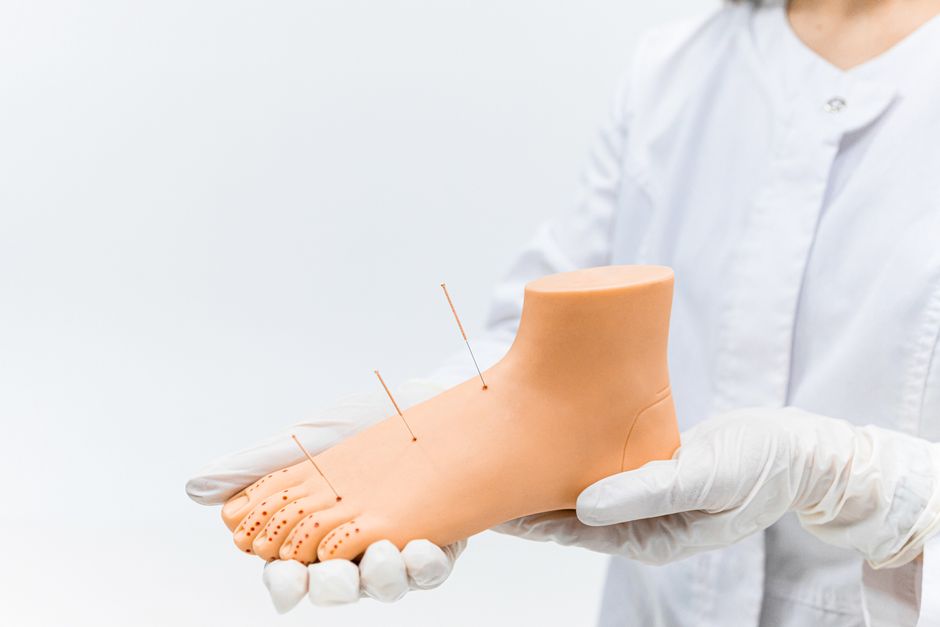
| Acupuncture | Weak to moderate | Some people report relief. Studies are mixed. May help as part of a broader plan. |
| Laser therapy | Weak | Claims are strong but evidence is limited. Not covered by most insurance. |
Physical therapy is often overlooked but very helpful. It improves balance, strength, and circulation. This can reduce falls and improve quality of life even if the pain does not go away completely.
Some studies suggest that exercise itself may help nerves regenerate. A 2021 study in the journal Diabetes Care found that people with diabetic neuropathy who walked regularly had better nerve function after one year compared to those who did not.





What About Diet and Lifestyle Changes?
Diet matters more than most people realize. High blood sugar and inflammation are two drivers of nerve damage. A diet that lowers both can help.
- Cut back on refined sugar and processed carbs. These spike blood sugar and increase inflammation.
- Eat more vegetables, lean protein, and healthy fats. These support nerve health.
- Consider a Mediterranean diet. Some research suggests it reduces neuropathic pain.
- Limit alcohol. Alcohol is directly toxic to nerves.
Quitting smoking is one of the most effective things you can do. Smoking constricts blood vessels, reducing oxygen flow to nerves. People who quit often report less pain within weeks.
Foot care is also critical. Check your feet daily for cuts or blisters. Nerve damage means you may not feel an injury. A small wound can become infected quickly. This is how people end up with amputations.
Wear proper shoes. Avoid high heels and tight footwear. Cushioned socks can reduce pressure points. Some people find relief with specially designed diabetic shoes.
What Does Not Work?
Many products claim to cure neuropathy. Most have no evidence behind them. Here is what to avoid.
Magnetic therapy devices. There is no proof that magnets affect nerve function. Companies have paid millions in fines for false claims.
Shockwave therapy. This is used for tendon injuries. Some clinics promote it for neuropathy. Strong evidence is lacking.
High-dose vitamin B6 supplements. Too much B6 can actually cause neuropathy. This is a known risk. Stick to recommended doses.
Expensive supplements sold as “nerve repair formulas.” Most are just multivitamins in fancy packaging. They cost more but do not work better.
Some people report relief from these products. That does not mean the product works. It means their symptoms changed on their own or for another reason. Neuropathy symptoms naturally fluctuate. A bad week followed by a better week is not proof of a cure.
How I Cured My Neuropathy in Feet: The Real Story
When someone says “how I cured my neuropathy in feet,” they are usually describing a combination of changes that worked for them. That is not a cure. It is symptom management that was effective enough to feel like a cure.
Here is what that usually looks like. The person identified the cause of their neuropathy. If it was a vitamin deficiency, they corrected it. If it was diabetes, they got their blood sugar under tight control. They stopped drinking. They quit smoking. They started walking regularly. They took medication or supplements that helped. Over months, their pain faded to a manageable level or disappeared.
That is not a cure in the medical sense. The underlying nerve damage is still there. But the symptoms are gone or tolerable. For most people, that is good enough.
The phrase “I cured my neuropathy” is misleading. It sets false expectations. But the idea that you can feel dramatically better is real. It just takes time and a comprehensive approach.
Be skeptical of anyone selling a single product or quick fix. Real improvement comes from addressing multiple factors over months. If it sounds too easy, it is probably a lie.
Frequently Asked Questions About i cured my neuropathy in feet
Can neuropathy in feet be reversed completely?
Complete reversal is rare and depends on the cause. Vitamin deficiency neuropathy can sometimes reverse fully. Diabetic neuropathy usually cannot.
What is the fastest way to relieve neuropathy pain in feet?
Prescription medications like gabapentin or pregabalin work fastest for most people. Topical creams and physical therapy also help within weeks.
Is there a natural cure for neuropathy in feet?
No natural cure exists. Some supplements and diet changes help manage symptoms. Nothing has been proven to reverse nerve damage completely.
How long does it take for neuropathy to heal?
Nerves heal very slowly, about one millimeter per day. Symptom improvement can take weeks to months depending on the cause and treatment.
