
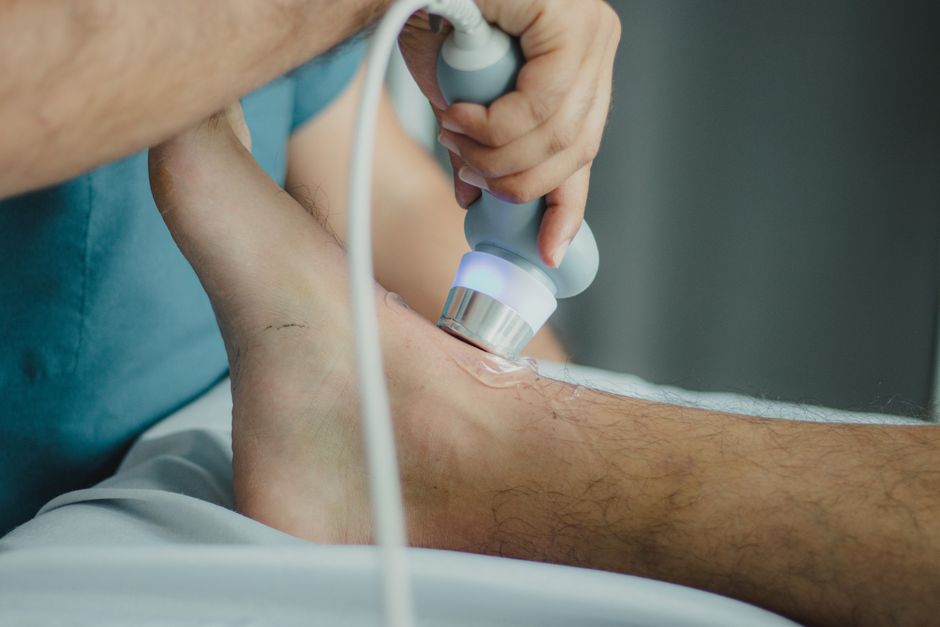
Neuropathy happens when nerves outside your brain and spinal cord become damaged or stop working properly. This damage most often comes from diabetes, which accounts for about half of all cases. High blood sugar levels injure small blood vessels that feed nerves, slowly cutting off oxygen and nutrients they need to function. The result is numbness, tingling, burning pain, or weakness that usually starts in the feet and hands.
Beyond diabetes, there are more than 100 different conditions and exposures that can trigger nerve damage. Some causes are reversible if caught early. Others cause permanent damage that requires symptom management rather than cure. Understanding what is harming your nerves matters because the treatment approach depends entirely on the underlying cause.
What Medical Conditions Most Commonly Cause Neuropathy?
Diabetes stands alone as the single biggest cause of peripheral neuropathy in the United States. About 60-70% of people with diabetes will develop some degree of nerve damage during their lifetime. The mechanism is straightforward: elevated glucose levels damage the tiny blood vessels that supply nerves with oxygen. Over years, this slow starvation of nerve tissue leads to progressive dysfunction.
Autoimmune diseases rank second as a major category. Conditions like rheumatoid arthritis, lupus, and Sjögren syndrome cause your immune system to attack your own nerve tissue. Guillain-Barré syndrome is an acute autoimmune condition where nerve damage happens rapidly over days or weeks. Chronic inflammatory demyelinating polyneuropathy works more slowly but follows the same pattern of immune-driven nerve destruction.
Kidney disease and liver disease both create toxic environments for nerves. When your kidneys fail, waste products build up in your bloodstream and poison nerve tissue. This is called uremic neuropathy. Advanced liver disease does something similar, allowing toxins to accumulate that healthy liver tissue would normally clear. Both conditions can improve if the underlying organ disease is treated, though nerve recovery is often incomplete.
Infections can directly attack nerves. Shingles, caused by reactivated chickenpox virus, inflames specific nerve roots and causes intense pain along the affected nerve path. HIV damages nerves both through direct viral effects and through the chronic inflammation it creates. Lyme disease, hepatitis C, and leprosy are other infections known to cause neuropathy, though these are less common in developed countries.
Which Medications and Toxins Damage Nerves?
Chemotherapy drugs are well-known nerve toxins. Platinum-based agents like cisplatin, taxanes like paclitaxel, and vinca alkaloids like vincristine all damage peripheral nerves as a side effect of killing cancer cells. Between 30-40% of people receiving these drugs develop chemotherapy-induced peripheral neuropathy. The damage is often permanent even after treatment ends.
Antibiotics in the fluoroquinolone class and certain HIV medications also carry neuropathy risk. Metronidazole and nitrofurantoin can cause nerve damage with prolonged use. The anticonvulsant phenytoin, used for seizures, occasionally causes neuropathy at high doses over many years. Even some cholesterol-lowering statins have been linked to nerve problems in a small percentage of users, though this remains debated.
Alcohol causes neuropathy through multiple mechanisms. Direct toxic effects on nerve tissue combine with nutritional deficiencies that heavy drinkers often develop. Thiamine deficiency is particularly damaging to nerves. People who drink heavily for years have a 25-50% chance of developing alcoholic neuropathy. The good news is that stopping alcohol and correcting vitamin deficiencies can halt progression and sometimes restore some function.
Industrial and environmental toxins round out this category. Heavy metals like lead, mercury, and arsenic damage nerves when exposure is chronic. Certain pesticides and solvents used in manufacturing have neurotoxic properties. These exposures are less common than they once were due to improved workplace safety regulations, but they still occur in specific occupational settings.
Can Vitamin Deficiencies Actually Cause Nerve Damage?
B vitamin deficiencies are genuine causes of neuropathy, not just contributing factors. Vitamin B12 deficiency is the most important one clinically. Your nerves need B12 to maintain their protective myelin coating and to function properly. Without enough B12, nerves begin to deteriorate. This happens most often in older adults, people with pernicious anemia, strict vegans who do not supplement, and anyone who has had gastric bypass surgery.
The tricky part is that B12 deficiency develops slowly over years. By the time symptoms appear, significant nerve damage may already exist. Blood tests can detect deficiency before symptoms start, which is why screening makes sense for high-risk groups. Treatment with B12 injections or high-dose oral supplements can stop progression if started early. Nerve damage that has been present for months or years may not fully reverse.
Vitamin B6 has a more complicated relationship with nerves. Too little B6 can cause neuropathy, but so can too much. High-dose B6 supplements, usually above 200mg per day taken for months, can paradoxically damage the same nerves they are supposed to help. This happens because people read that B vitamins are good for nerves and assume more is better. It is not.
Vitamin E deficiency is rare but real. It occurs in people with severe fat malabsorption from conditions like Crohn disease or cystic fibrosis. Since vitamin E is fat-soluble, you need functioning fat digestion to absorb it. Deficiency causes a specific type of neuropathy along with other neurological problems. Treatment involves high-dose vitamin E supplements in a form that bypasses normal absorption pathways.





What Role Do Genetics and Hereditary Conditions Play?
Inherited neuropathies are more common than most people realize. Charcot-Marie-Tooth disease is the most frequent hereditary neuropathy, affecting about 1 in 2,500 people. It is caused by mutations in genes that control nerve structure and function. Symptoms usually start in childhood or early adulthood with foot deformities, high arches, and progressive weakness in the feet and lower legs.
Unlike acquired neuropathies from diabetes or toxins, Charcot-Marie-Tooth disease is passed from parent to child through specific genetic patterns. There are multiple subtypes with different inheritance patterns. Some forms are dominant, meaning you only need one copy of the mutated gene to develop symptoms. Others are recessive, requiring copies from both parents.
Fabry disease and amyloidosis are other genetic conditions that damage nerves. Fabry disease causes abnormal fat deposits to accumulate in nerve tissue and blood vessels. Hereditary amyloidosis leads to protein buildup that physically disrupts nerve function. Both are rare but important to identify because treatments exist that can slow disease progression when started early.
Genetic testing has become more sophisticated and accessible. If you have neuropathy with no clear cause and a family history suggesting a pattern, genetic testing might identify a specific mutation. This does not change treatment options dramatically in most cases, but it does provide a clear answer and allows for family counseling about inheritance risk.
How Do Injuries and Physical Trauma Cause Nerve Problems?
Direct nerve injury from trauma is fundamentally different from metabolic or toxic neuropathy. When a nerve is cut, crushed, or severely compressed, the damage is localized to that specific nerve rather than affecting nerves throughout the body. This is why trauma-related nerve problems affect a specific area rather than the glove-and-stocking pattern seen in diabetic neuropathy.
Repetitive motion injuries cause nerve compression over time. Carpal tunnel syndrome develops when the median nerve gets compressed at the wrist from repetitive hand movements or sustained awkward positions. Cubital tunnel syndrome affects the ulnar nerve at the elbow. These are technically neuropathies, though the mechanism is mechanical compression rather than disease.
Fractures and dislocations can damage nearby nerves through stretching, compression, or direct laceration. Car accidents, falls, and sports injuries account for most traumatic nerve damage. Recovery depends on severity. Mild compression might resolve in weeks with rest. Complete nerve transection requires surgical repair and months to years of recovery, with outcomes ranging from complete to minimal recovery.
Surgical procedures carry nerve injury risk, particularly operations near major nerve pathways. Orthopedic surgery, certain cancer operations, and even dental procedures can occasionally damage nerves. Surgeons take precautions to avoid this, but anatomy varies between individuals and some nerves run close to surgical targets. Most surgical nerve injuries are temporary neuropraxia where the nerve is bruised but not severed.
What Does Research Show About Idiopathic Neuropathy?
Idiopathic means no identifiable cause was found despite thorough testing. Studies show that 23-26% of neuropathy cases remain idiopathic even after complete workup. This is frustrating for patients and doctors alike because treatment strategy depends on understanding what is damaging the nerves.
Research has started to chip away at the idiopathic category. Some cases previously labeled idiopathic are now recognized as autoimmune neuropathies with antibodies against specific nerve proteins. Tests for these antibodies have improved, allowing identification of what used to be mystery cases. Small fiber neuropathy, which affects the smallest nerve fibers, is another category that better testing has pulled out of the idiopathic bucket.
The challenge with idiopathic neuropathy is that symptom management becomes the only option. You cannot address an underlying cause if none can be found. This means focusing on pain control, physical therapy to maintain strength and balance, and monitoring for progression. Some idiopathic cases remain stable for years. Others progress slowly despite treatment.
Current research is exploring whether some idiopathic neuropathy represents undetected metabolic problems or immune dysfunction too subtle for standard tests to catch. Studies using sophisticated nerve biopsies and advanced antibody panels are finding previously hidden causes in a subset of patients. As testing improves, the idiopathic category should shrink, though it will never disappear entirely.
Causes of Neuropathy: A Comparison Table
| Cause Category | Reversibility | Time to Develop | Typical Pattern |
|---|---|---|---|
| Diabetes | Progression can be halted, limited reversal | Years | Feet first, then hands |
| Vitamin B12 deficiency | Good if caught early | Months to years | Feet and hands, can affect balance |
| Alcohol toxicity | Partial if alcohol stopped | Years | Feet and legs primarily |
| Chemotherapy | Usually permanent | Weeks to months | Hands and feet equally |
| Autoimmune | Variable, depends on treatment response | Days to months | Can be asymmetric |
| Hereditary | Not reversible | Childhood to early adult | Often affects legs more than arms |
What Should You Know About Getting an Accurate Diagnosis?
Finding the cause of neuropathy requires systematic testing, not guesswork. Blood work comes first. Glucose and hemoglobin A1c identify diabetes. Kidney and liver function tests check for organ disease. Vitamin B12 levels and thyroid function round out the basic panel. Many causes show up in this initial round of testing.
If basic tests are normal, more specialized work begins. Autoimmune markers like ANA, rheumatoid factor, and specific antibodies against nerve proteins can identify immune-mediated neuropathy. Heavy metal testing makes sense if exposure is suspected. Genetic testing enters the picture when family history suggests hereditary disease or when someone develops neuropathy at a young age with no obvious cause.
Nerve conduction studies and electromyography show how well your nerves transmit signals and whether muscles are receiving proper nerve input. These tests cannot identify the cause but they confirm that neuropathy exists and characterize what type of nerves are damaged. Small fiber neuropathy requires skin biopsy because routine nerve tests can miss it entirely.
The diagnostic process takes time and multiple appointments. This frustrates people who want immediate answers. Some causes appear only after watching disease progression over months. Others require specialized tests available only at certain medical centers. As of 2026, improved antibody testing and genetic panels have made diagnosis more precise than it was even five years ago, but there is still no single test that identifies all causes.
Frequently Asked Questions About Causes Neuropathy
Can neuropathy be reversed once nerve damage occurs?
It depends entirely on the cause. Neuropathy from vitamin B12 deficiency or thyroid disease can improve significantly if treated early. Diabetic neuropathy, chemotherapy damage, and most hereditary neuropathies cause permanent changes that cannot be fully reversed.
What is the most common cause of neuropathy in people under 40?
Diabetes is still common but autoimmune conditions, inherited neuropathies, and alcohol use appear more frequently in younger adults. Chemotherapy-induced neuropathy affects younger cancer patients who receive neurotoxic treatments.
Does neuropathy always get worse over time?
Not necessarily. If the underlying cause is identified and treated, progression often stops. Diabetic neuropathy stabilizes with good glucose control. Neuropathy from alcohol stops progressing when drinking stops. Some hereditary forms progress slowly over decades while others remain stable for years.
How do doctors determine if neuropathy is caused by diabetes or something else?
Blood sugar testing and hemoglobin A1c show current and long-term glucose control. If these are normal and neuropathy is present, doctors look for other causes through additional blood work, nerve studies, and sometimes nerve or skin biopsy.
