
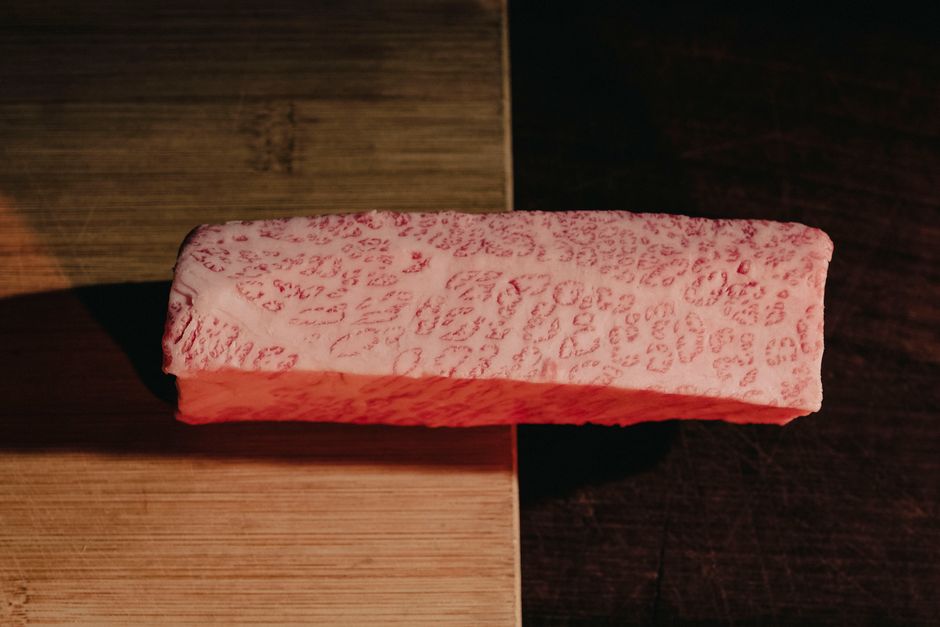
Wagyu beef is famous for its intense marbling — the fine webs of fat woven through the muscle that make the meat tender and rich. That marbling does not happen by accident. It is the result of genetics, careful feeding, and time. Wagyu cattle are typically raised on a diet that shifts over their lives, starting with grass and progressing to a grain-heavy ration. In Japan, the final phase often includes rice straw, hay, and a concentrated grain mix. In other countries, farmers adapt the same idea using local feed. The goal is steady, controlled weight gain that encourages fat to develop inside the muscle rather than only around it.
What Is Wagyu Fed the Diet Behind the Marbling?
Wagyu cattle are fed a diet that changes as they grow. For the first several months, calves nurse and then graze on pasture or eat hay. As they get older, most producers move them to a grain-based diet. This is when marbling really develops.
The grain mix usually centers on corn, barley, or wheat, along with hay or straw for fiber. In Japan, the diet may also include rice straw and sometimes byproducts like soybean meal or wheat bran. Farmers in the United States and Australia often use corn and hay, sometimes with added vitamins and minerals. The exact recipe varies by farm, region, and the age of the animal.
What matters most is not one special ingredient. It is the pattern of feeding: a long, slow finishing period where the animal gains weight steadily. That steady gain is what allows fat cells to form within the muscle tissue. Feed restriction or rapid weight loss can reduce marbling. So can stress. Wagyu producers pay close attention to both.
Why Does Wagyu Have So Much Marbling?
Marbling is partly genetic. Wagyu cattle, especially the Japanese Black breed, carry a genetic tendency to deposit fat inside muscle tissue. This trait is called intramuscular fat. It is different from the fat that sits under the skin or around organs.
Genetics alone do not create marbling. The animal also needs the right diet and enough time. A Wagyu steer raised on grass alone will still marble more than many other breeds, but not to the same degree as one finished on grain. The combination of genetics and a high-energy diet is what produces the extreme marbling Wagyu is known for.
Some research suggests that the timing of fat deposition matters. Fat cells inside muscle develop later than other fat deposits. That is why the finishing phase — the last few months on a grain-heavy diet — is so important. If the animal is slaughtered too early, marbling will be lower. If fed too long, the fat may become too thick or the animal may get sick.
What Do Wagyu Cattle Eat in Japan vs Other Countries?
Japanese Wagyu production follows strict rules. The diet typically includes rice straw, hay, and a concentrated grain mix. Rice straw is low in nutrients but high in fiber, which helps digestion. The grain mix is usually corn, barley, or a blend. Some farms also use soybean meal, wheat bran, or beet pulp.
In the United States, Wagyu is often raised on pasture for the first year, then finished on a diet of corn, hay, and supplements. Australian Wagyu producers may use grain, hay, and silage. The goal is the same: steady weight gain and marbling. The exact feed varies because of local costs and climate.
One difference is the use of rice straw. In Japan, it is common. In other countries, it may be replaced with other roughage sources like alfalfa hay or grass hay. This does not change the basic principle. Fiber is needed for rumen health. Grain provides the energy for fat deposition.





Does Diet Alone Create the Marbling?
No. Diet is one part of a larger system. Genetics, age, stress, and health all play a role. A Wagyu calf with poor genetics will not marble as well as one with strong genetics, even on the same diet. Likewise, a well-genetic animal that is stressed or sick may not marble as expected.
Stress is a known factor. Cattle that are handled roughly or kept in poor conditions may have lower marbling. This is because stress hormones can affect fat deposition and muscle quality. Good producers manage handling, housing, and health carefully. This is not just about animal welfare. It directly affects the final product.
Age also matters. Wagyu are typically slaughtered later than conventional beef cattle. In Japan, the typical slaughter age is around 28 to 30 months. In other countries, it may be similar or slightly younger. The extra time allows marbling to develop fully. Slaughtering too early reduces marbling. Slaughtering too late can make the fat too yellow or the meat less tender.
What About the Claim That Wagyu Is Fed Beer or Sake?
Some stories claim Wagyu cattle are fed beer or sake to improve their appetite or marbling. These stories are mostly exaggerated. There is no reliable evidence that beer or sake improves marbling. In some cases, a farmer may offer a small amount of beer to stimulate appetite during hot weather. But this is not a standard practice. It is not what makes Wagyu special.
Another claim is that Wagyu are massaged with sake or oil. Again, this is not typical. Some farms may brush or groom cattle to keep their coats clean and reduce stress. But massaging with alcohol is not a common practice. The marbling comes from genetics and diet, not from alcohol or massage.
These myths likely come from early media reports that focused on unusual details. They stuck because they are memorable. But they do not reflect how Wagyu is actually raised. The real story is less dramatic: careful breeding, a long finishing period, and a steady grain-based diet.
How Does Feed Affect the Taste and Texture of Wagyu?
Feed affects fat composition. Grain-fed cattle tend to have more saturated fat and a milder flavor. Grass-fed cattle have more omega-3 fatty acids and a stronger, sometimes gamier taste. Wagyu is almost always grain-finished, which contributes to its rich, buttery flavor and soft texture.
The high marbling also affects cooking. Wagyu has a low melting point for its fat, which means it can feel like it melts in your mouth. This is partly due to the type of fat Wagyu deposits. It has a higher proportion of monounsaturated fat than many other beef breeds. That fat is softer at room temperature and melts more easily during cooking.
Diet also affects color. Grain-fed beef tends to be lighter in color than grass-fed beef. Wagyu is often a bright cherry red with white fat. The contrast between the red muscle and white marbling is one reason it looks so striking on a plate.
Is Wagyu Fed Differently for Different Grades?
Yes, but not in a simple way. Wagyu grading is based on yield and quality. Quality includes marbling, color, brightness, firmness, and texture. The highest grade, A5, requires intense marbling. To achieve that, producers need the right genetics, the right diet, and the right amount of time.
Not all Wagyu are fed the same way. Some farms aim for a specific grade and adjust feed accordingly. For example, a farm targeting A5 may feed a higher-energy diet for a longer period. A farm targeting a lower grade may finish earlier or use less grain. The exact strategy depends on the market and the farm’s goals.
In the United States, Wagyu is often graded by the USDA, but the system is different from Japan’s. Some American Wagyu is crossbred with Angus, which changes the marbling potential. These crossbred animals may be fed a similar diet but will not marble as much as purebred Wagyu. That is why the label matters. “Wagyu” can mean different things depending on the source.
What Should You Know as a Consumer?
If you are buying Wagyu, the diet is one clue to quality, but it is not the only one. Look for the grade and the breed. Purebred Wagyu from Japan or from a reputable American producer will typically have more marbling than a crossbreed. The diet will be grain-based, but the exact mix is less important than the overall system.
Do not rely on myths about beer or sake. They are not what makes Wagyu special. The real factors are genetics, a long finishing period, and careful management. If a seller claims their Wagyu is fed a unique diet that makes it better than others, be skeptical. There is no evidence that one specific feed ingredient creates superior marbling. It is the combination of factors that matters.
Also consider cost. Wagyu is expensive because it takes time and resources to raise. The long finishing period means more feed, more labor, and more land. That cost is passed on to the consumer. If you see Wagyu at a very low price, it is likely a crossbreed or not authentic Wagyu.
Frequently Asked Questions
What is Wagyu fed?
Wagyu cattle are usually raised on pasture or hay early in life, then finished on a grain-based diet that often includes corn, barley, and hay or straw. In Japan, rice straw is also common. The goal is steady weight gain to develop marbling.
Does Wagyu really get fed beer?
No, that is largely a myth. Some farmers may offer a small amount of beer to stimulate appetite in hot weather, but it is not a standard practice and does not create marbling.
What makes Wagyu marbling different from regular beef?
Wagyu marbling is more finely distributed within the muscle and has a lower melting point, partly due to genetics and a longer grain-finishing period. Regular beef has less intramuscular fat and a different fat composition.
Is grass-fed Wagyu as marbled as grain-fed?
No. Grass-fed Wagyu can still marble more than many other breeds, but grain-finishing is typically needed to reach the highest marbling grades like A5.
