
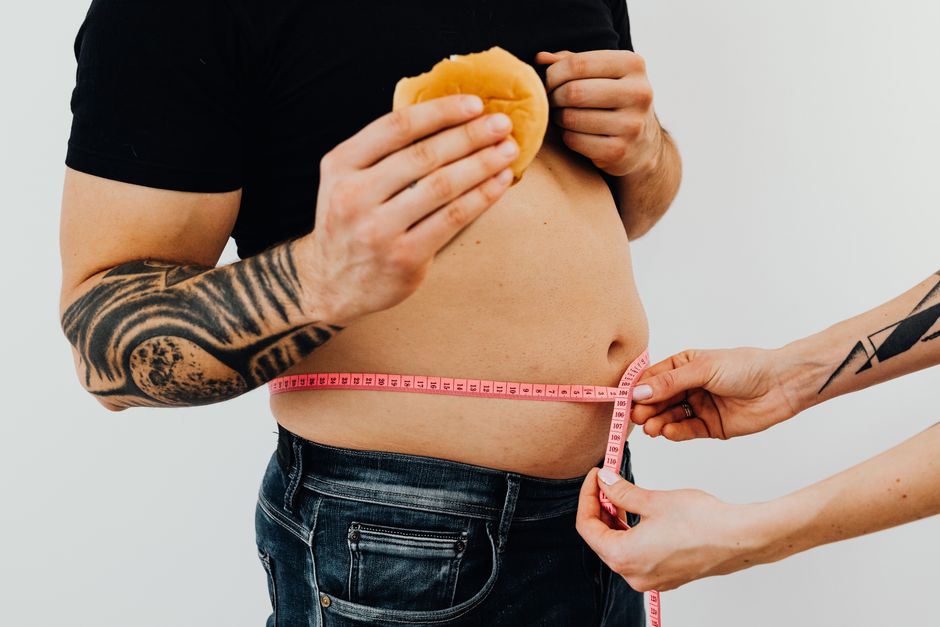
Fatty liver disease is one of the most common liver conditions in the United States, affecting roughly one in three adults. The good news is that the liver has a remarkable ability to repair itself when given the right conditions. Weight loss through diet and exercise is the most effective, evidence-based way to reduce liver fat, and you can see measurable improvements in a matter of weeks.
What Does It Mean to Shrink Your Liver?
When doctors talk about shrinking the liver, they usually mean reducing fat stored inside liver cells. This condition is called hepatic steatosis. It is the earliest and most reversible stage of fatty liver disease.
Your liver is not a muscle that shrinks with less use. It is a metabolic organ that stores fat when you consume more energy than your body burns. When you create a calorie deficit, the liver begins releasing stored fat to be used as energy. This process directly reduces the amount of fat inside liver cells.
Most people with fatty liver do not feel symptoms. Many only discover the condition during routine blood tests or an ultrasound for another reason. The absence of symptoms does not mean the condition is harmless. Left untreated, fatty liver can progress to inflammation, scarring, and cirrhosis over many years.
How Fast Can You Shrink Your Liver?
Research consistently shows that losing about 7 to 10 percent of your body weight is enough to significantly reduce liver fat. For a person weighing 200 pounds, that means losing 14 to 20 pounds. This level of weight loss also reduces liver inflammation in most people.
The timeline depends on how quickly you lose weight. Studies have shown that liver fat can decrease by as much as 50 percent within eight weeks of starting a calorie-restricted diet. That is a dramatic change in a short period.
However, the speed of weight loss matters. Rapid weight loss through extreme calorie restriction can actually worsen liver inflammation in some cases. The safest and most sustainable approach is losing 1 to 2 pounds per week through moderate calorie reduction and increased physical activity.
What Diet Actually Reduces Liver Fat?
No single food or supplement shrinks the liver. The evidence points to overall dietary patterns rather than individual ingredients. The most consistently supported approach is a Mediterranean-style diet combined with calorie reduction.
This eating pattern emphasizes vegetables, fruits, whole grains, legumes, nuts, and olive oil. It includes moderate amounts of fish and poultry while limiting red meat, processed foods, and added sugars. Research published in hepatology journals has found this pattern reduces liver fat even before significant weight loss occurs.
Specific foods that appear in multiple studies as beneficial include:
- Coffee — regular consumption is linked to lower rates of liver fibrosis progression
- Olive oil — a primary source of monounsaturated fats in the Mediterranean pattern
- Fatty fish — provides omega-3 fatty acids that may reduce liver fat
- Vegetables and legumes — high fiber content supports metabolic health
Avoiding certain foods is equally important. The strongest evidence points to reducing added sugars, especially fructose in sweetened beverages. Sugar-sweetened drinks deliver large amounts of fructose directly to the liver, where it is converted to fat. Replacing these drinks with water is one of the single most effective dietary changes for fatty liver.





Does Intermittent Fasting Help?
Intermittent fasting has gained attention as a strategy for reducing liver fat. The evidence is promising but not as strong as the evidence for overall calorie reduction. Some studies show that time-restricted eating reduces liver fat, but the effect appears linked to the total calorie reduction that often accompanies fasting rather than the fasting itself.
The main advantage of intermittent fasting is that it simplifies calorie control. Many people find it easier to skip breakfast and eat two larger meals than to eat three small meals with strict portion control. If that pattern works for you, it can be an effective tool.
The main risk is overeating during the eating window. Fasting for 16 hours followed by consuming the same number of calories as before will not reduce liver fat. The calorie deficit remains the driving factor.
What Type of Exercise Works Best?
Exercise helps shrink the liver in two ways. It burns calories directly, and it improves insulin sensitivity, which reduces the liver’s tendency to store fat. Both aerobic exercise and resistance training show benefits.
Aerobic exercise such as brisk walking, cycling, or swimming has the most evidence behind it. Studies show that moderate-intensity aerobic exercise reduces liver fat even when weight loss is minimal. This means exercise has benefits beyond calorie burning alone.
Resistance training also helps. Lifting weights or doing bodyweight exercises builds muscle, which increases your resting metabolic rate. Some studies suggest resistance training is particularly effective at improving insulin sensitivity in people with fatty liver.
The best exercise plan is one you can maintain consistently. The current physical activity guidelines recommend at least 150 minutes of moderate-intensity aerobic activity per week plus two days of resistance training. If you are new to exercise, starting with 20-minute daily walks is a reasonable first step.
How To Shrink Your Liver Fast Diet And Exercise Tips
Combining diet and exercise produces the best results. Diet alone reduces liver fat, but adding exercise accelerates the process and helps preserve muscle mass during weight loss. Preserving muscle keeps your metabolism higher and makes it easier to maintain weight loss.
A practical approach that works for most people:
- Reduce daily calorie intake by 500 to 750 calories below your maintenance level
- Eliminate sugar-sweetened beverages completely
- Base meals on vegetables, lean protein, and whole grains
- Aim for 30 minutes of moderate exercise most days
- Include two weekly resistance training sessions
Tracking your food intake for the first two weeks helps you understand your actual calorie consumption. Most people underestimate how much they eat by 30 percent or more. A food diary or tracking app provides accurate data you can adjust from.
Weighing yourself weekly provides feedback without becoming obsessive. Daily weighing often causes unnecessary stress because normal water weight fluctuations can be several pounds. Weekly trends give a clearer picture of progress.
When Weight Loss Does Not Work
Some people follow a calorie-restricted diet and exercise regularly but do not see significant liver fat reduction. This can happen for several reasons.
Medical conditions such as hypothyroidism or polycystic ovary syndrome can make weight loss more difficult. Certain medications, including some antidepressants and corticosteroids, promote weight gain. If you are doing everything right and not seeing results, a medical evaluation for these conditions is appropriate.
Alcohol is another factor. Heavy alcohol use directly causes fat accumulation in the liver. Even moderate drinking may slow the improvement of fatty liver in some people. If your liver fat is not reducing despite diet and exercise, eliminating alcohol entirely for several months is worth considering.
In rare cases, a medication called resmetirom may be appropriate for people with advanced liver scarring. This drug was approved for non-alcoholic steatohepatitis with moderate to advanced liver fibrosis. It is not for everyone with fatty liver, and it does not replace diet and exercise. Your doctor can determine if this applies to you.
Monitoring Your Progress
You cannot feel your liver shrinking. You need objective measurements to track progress. The most common method is an ultrasound, which can show the presence of fat but is not precise at measuring small changes.
More precise methods include transient elastography, which measures liver stiffness and fat content, and MRI-based techniques that quantify liver fat percentage. These are becoming more widely available but are not always covered by insurance.
Blood tests provide indirect information. Elevated liver enzymes such as ALT and AST indicate inflammation. As liver fat decreases, these levels often normalize. However, normal enzyme levels do not rule out fatty liver, and elevated levels do not always mean significant fat accumulation.
If you are losing weight steadily, your liver fat is almost certainly decreasing. The liver is one of the first organs to release stored fat during weight loss. You do not need frequent imaging to confirm this. A follow-up ultrasound or elastography six to twelve months after starting your program provides a reasonable assessment of progress.
Frequently Asked Questions
How long does it take to reverse fatty liver?
Liver fat can decrease significantly within eight to twelve weeks of consistent weight loss. Full reversal of fatty liver typically takes six to twelve months of maintaining a healthy weight.
Can you reverse fatty liver without losing weight?
Exercise alone can reduce liver fat by improving insulin sensitivity, but the effect is smaller than with weight loss. Diet changes that reduce sugar and processed food intake also help even with minimal weight change.
Is a low-carb diet better than a low-fat diet for fatty liver?
Both approaches work when they create a calorie deficit. Low-carb diets often produce faster initial weight loss due to water loss, but long-term results depend on which pattern you can maintain.
Does drinking coffee help shrink your liver?
Coffee consumption is associated with lower rates of liver disease progression, but it does not directly shrink a fatty liver. Regular coffee intake is a reasonable addition to a healthy diet, not a treatment on its own.
