
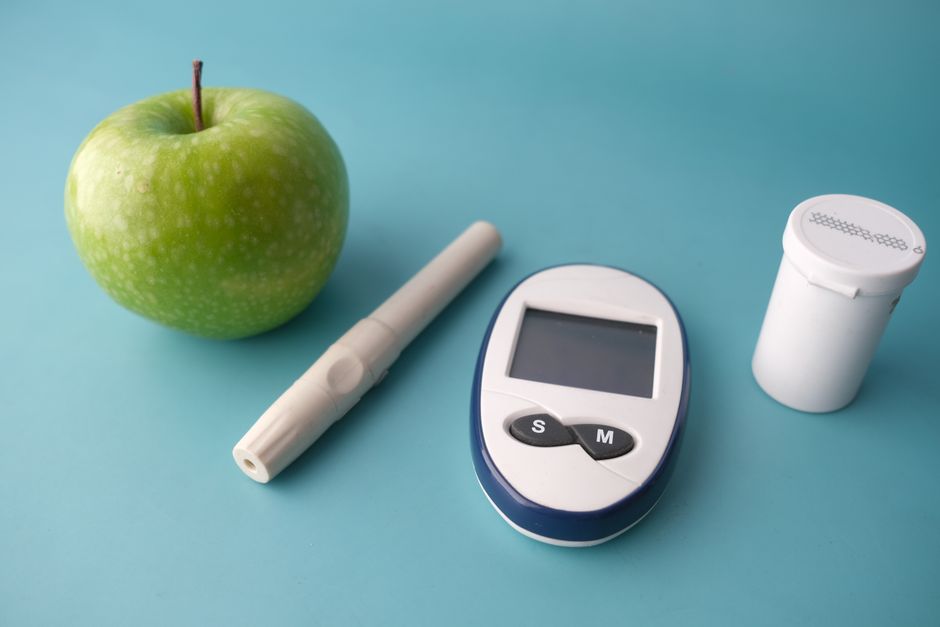
Reactive hypoglycemia is the drop in blood sugar that happens two to five hours after eating, not from fasting or medication. You can often manage it with diet changes, but the key is not just what you eat — it is how you combine foods and the order you eat them. The most effective approach is to eat smaller, more frequent meals that pair carbohydrates with protein, fat, and fiber to slow digestion and prevent the blood sugar spike-and-crash cycle.
What Causes Reactive Hypoglycemia?
Reactive hypoglycemia happens when your body releases too much insulin after a meal. You eat carbohydrates, your blood sugar rises, and your pancreas responds by pumping out insulin. In some people, that insulin response is delayed or oversized. The result is that blood sugar drops too low a few hours later.
The symptoms are real and can be uncomfortable. Shaking, sweating, dizziness, confusion, hunger, and a rapid heartbeat are common. Some people feel anxious or irritable. In severe cases, people can feel like they might pass out.
Doctors do not fully understand why some people develop this pattern. It is not the same as diabetes, though it can occur in people with prediabetes or a family history of diabetes. Some research suggests it may be related to how quickly the stomach empties or how sensitive the body is to insulin. What is clear is that the pattern is tied to what you eat and when you eat it.
How To Fix Reactive Hypoglycemia With Diet Changes?
The goal is to keep blood sugar steady throughout the day. You want to avoid big spikes because a spike is what triggers the overshoot of insulin that causes the crash.
Start with meal composition. Every meal and snack should include a source of protein, a source of fat, and a source of fiber along with any carbohydrate. Protein and fat slow down how quickly sugar enters your bloodstream. Fiber does the same thing. A plain piece of toast will spike your blood sugar faster than the same toast topped with peanut butter and a few berries.
Meal timing matters just as much. Eating three large meals a day can set you up for trouble because each meal delivers a large load of carbohydrates at once. Many people with reactive hypoglycemia do better with three smaller meals and two to three snacks spread evenly across the day. The goal is to never go too long without eating, but also to never eat a huge amount at once.
Food order is a newer area of research, and the evidence is promising. Some studies suggest that eating protein and vegetables before carbohydrates at the same meal results in a smaller blood sugar rise. This is not a cure, but it is a simple change that costs nothing and may help.
Which Foods Help Stabilize Blood Sugar?
Not all carbohydrates are the same. Foods that are digested slowly release sugar gradually into the bloodstream. Foods that are digested quickly cause a rapid rise.
Choose carbohydrates that come with fiber attached. Whole grains, legumes, vegetables, and whole fruits are better choices than refined grains, sugary drinks, and processed snacks. A baked potato with the skin on is better than mashed potatoes. An apple is better than apple juice. Brown rice is better than white rice.
Pair every carbohydrate with something that slows digestion. Here are some combinations that work well:
- Apple slices with peanut butter
- Whole grain crackers with cheese
- Greek yogurt with berries and a sprinkle of nuts
- Hummus with carrot sticks
- Oatmeal made with milk, topped with nuts and seeds
- Vegetable omelet with a slice of whole grain toast
Protein sources like eggs, chicken, fish, tofu, and legumes are all good choices. Healthy fats from olive oil, avocados, nuts, and seeds also help. The combination is what matters more than any single food.





Foods To Limit or Avoid
Some foods are more likely to trigger the spike-and-crash cycle. These are the foods that are high in refined sugar and low in fiber, protein, or fat.
Sugary drinks are the biggest problem. Soda, sweetened tea, fruit juice, and sports drinks deliver a large amount of sugar with nothing to slow it down. A glass of orange juice can contain the sugar of several whole oranges, but without the fiber that would normally slow absorption.
Refined grains also digest quickly. White bread, white rice, pasta, and most breakfast cereals behave similarly to sugar in the body. That does not mean you can never eat them. It means that when you do, you need to pair them with protein and fat to slow the digestion.
Alcohol can also cause blood sugar to drop, especially on an empty stomach. If you drink, do so with food and in moderation. Be aware that some people are particularly sensitive to this effect.
You do not need to eliminate carbohydrates entirely. Low-carb diets can reduce symptoms for some people, but they are hard to maintain long term. A better approach is to keep carbohydrates in your diet but choose slower-digesting versions and always pair them with protein and fat.
How Quickly Will Diet Changes Help?
Most people notice improvement within a few days to a couple of weeks. The body adapts to a steadier supply of glucose. When you stop swinging between highs and lows, the insulin response becomes more predictable.
However, there is a difference between feeling better and having your blood sugar pattern fully normalized. Some people need to stick with the changes for several weeks before they see consistent results. Others find that diet alone is not enough.
If you have tried diet changes for two to three weeks and still have symptoms, talk to a doctor. You may need testing to confirm the diagnosis and rule out other conditions that can cause similar symptoms, such as an underactive thyroid, adrenal issues, or certain medications.
What To Do When Symptoms Start
Even with careful eating, episodes can happen. When they do, the instinct is often to eat something sweet to bring blood sugar up quickly. That works, but it can also set up the next crash.
The better approach is to eat a small amount of fast-acting carbohydrate followed by a protein or fat. A few glucose tablets, half a banana, or a small glass of milk can bring blood sugar up. Then follow it with a handful of nuts or a piece of cheese to keep it stable. The goal is to stop the drop without triggering another insulin surge.
If symptoms are severe, if you faint, or if you cannot keep food down, seek medical help. Reactive hypoglycemia is rarely dangerous, but it can be frightening. Your doctor can help you figure out the right plan for your specific situation.
When To See a Doctor
You should not self-diagnose reactive hypoglycemia. Several other conditions produce similar symptoms, and some are more serious. If you are experiencing episodes of shakiness, sweating, confusion, or rapid heartbeat after meals, see a healthcare provider.
A doctor can perform a glucose tolerance test to see how your blood sugar responds to a carbohydrate load. This test involves drinking a sugary solution and having blood drawn at intervals over several hours. The results can show whether your blood sugar drops abnormally after eating.
It is also important to check whether your blood sugar drops for another reason. Certain medications, including some blood pressure drugs and antibiotics, can cause low blood sugar. Liver or kidney disease can also affect glucose regulation. These need to be ruled out.
If you have diabetes and are taking insulin or sulfonylurea medications, do not attempt to manage your symptoms with diet alone. That combination can cause dangerously low blood sugar. Work with your doctor to adjust your medication and your meal plan together.
Lifestyle Factors That Matter
Diet is the main tool for managing reactive hypoglycemia, but it is not the only one.
Regular physical activity helps your body use insulin more efficiently. A walk after meals can be particularly helpful because it encourages your muscles to take up glucose without requiring extra insulin. This can blunt the post-meal spike and reduce the chance of an overshoot.
Sleep matters too. Poor sleep is linked to worse blood sugar control. If you are consistently sleeping fewer than seven hours a night, your body may be less sensitive to insulin, making the spike-and-crash cycle worse.
Stress also plays a role. Stress hormones raise blood sugar, which can make the post-meal spike larger. Managing stress through exercise, breathing exercises, or simply taking time to rest can help, though the effect is indirect.
Caffeine is worth paying attention to. Some people find that coffee or energy drinks make their symptoms worse. Caffeine can increase adrenaline, which raises blood sugar and can amplify the feeling of shakiness and jitteriness. If you notice a pattern, try reducing your intake.
Frequently Asked Questions
Can reactive hypoglycemia be cured with diet alone?
Diet changes control symptoms for most people, but the underlying tendency may remain. Many people manage it successfully long term with consistent meal patterns and food choices.
How many hours after eating does reactive hypoglycemia occur?
Reactive hypoglycemia typically occurs two to five hours after a meal. The drop happens after the initial blood sugar rise and the resulting insulin response.
Is fruit bad for reactive hypoglycemia?
Whole fruit is generally fine because the fiber slows sugar absorption. Fruit juice is a different story — it lacks fiber and can trigger a rapid spike and crash.
Should I test my blood sugar at home if I have reactive hypoglycemia?
Home glucose monitoring can be helpful, but only under a doctor’s guidance. Testing without a plan can create confusion and anxiety, so work with a healthcare provider to decide if and when to test.
