
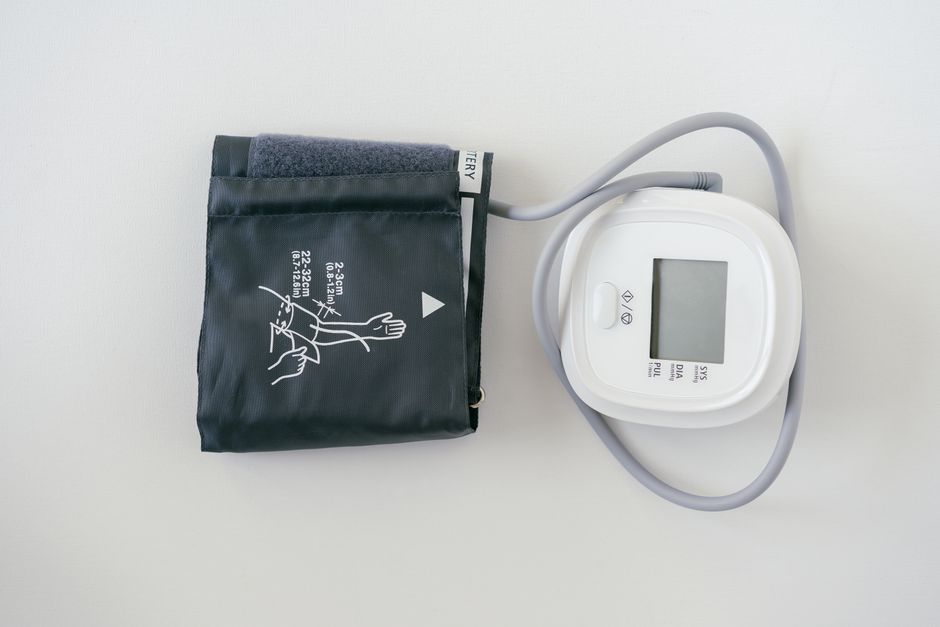
A vital sign is a measurement of the body’s most basic functions. The four main vital signs are body temperature, pulse rate, respiration rate (breathing rate), and blood pressure. These numbers tell doctors and nurses how well your body is working at a fundamental level. They are called “vital” because changes in them can signal a health problem before you feel sick.
What Are the Four Main Vital Signs?
The four standard vital signs are temperature, pulse, respiration, and blood pressure. Each one measures a different system in your body. Together they give a quick snapshot of your overall health.
Body temperature shows how well your body manages heat. A normal temperature is around 98.6°F (37°C) but can vary by a degree or so. Pulse measures your heart rate. For most adults a resting pulse between 60 and 100 beats per minute is normal. Respiration rate counts how many breaths you take per minute. The normal range for an adult at rest is 12 to 20 breaths per minute. Blood pressure has two numbers. The top number (systolic) measures pressure when your heart beats. The bottom number (diastolic) measures pressure when your heart rests between beats. A normal reading is below 120/80 mm Hg.
Some healthcare settings also check oxygen saturation using a small device on your finger. This is sometimes called the “fifth vital sign” though it is not part of the standard four.
Why Are Vital Signs Measured at Every Doctor Visit?
Vital signs are the first check for how your body is doing. They are quick, painless, and can catch problems early. A fever might mean an infection is starting. A high pulse rate could signal dehydration or anxiety. Low blood pressure might mean internal bleeding or a medication side effect.
These measurements also create a baseline. When your doctor has your normal numbers on file they can spot changes later. The American Heart Association and the CDC both recommend regular blood pressure checks because high blood pressure often has no symptoms. A single reading at a checkup can be the first clue that something needs attention.
Vital signs are not a diagnosis. They are a starting point. If something looks off the doctor will order more tests to find the cause.
How Do Vital Signs Change With Age?
Normal ranges for vital signs shift as you get older. This is not a sign of disease. It is normal aging.
Infants and children have faster heart rates and breathing rates than adults. A newborn’s resting heart rate can be 120 to 160 beats per minute. By age 10 it drops closer to the adult range. Body temperature regulation is also less stable in young children. They can spike a fever quickly.
Older adults often have slightly lower body temperatures. A normal temperature for a 70-year-old might be 97°F rather than 98.6°F. Blood pressure tends to rise with age due to stiffening arteries. The CDC reports that nearly half of adults in the US have high blood pressure and the risk increases after age 60. Pulse rate usually stays the same but may become less regular. Respiration rate does not change much with age unless there is a lung condition.
One common misconception is that a slow pulse in an older adult is always dangerous. Some athletes and fit older adults have resting heart rates in the 50s and that is fine. The key is whether the person has symptoms like dizziness or fatigue.





What Can Cause Abnormal Vital Signs?
Many things can push vital signs outside normal ranges. Some are temporary and harmless. Others require medical attention.
| Vital Sign | Common Causes of Abnormal Reading |
|---|---|
| Temperature | Infection, heat exposure, thyroid problems, certain medications |
| Pulse | Exercise, anxiety, dehydration, fever, heart conditions, thyroid disorders |
| Respiration | Lung disease, anxiety, fever, pain, heart failure, drug overdose |
| Blood Pressure | Stress, salt intake, kidney disease, artery stiffness, medications, obesity |
Infection is one of the most common causes of abnormal vital signs. Fever raises temperature. The body speeds up heart rate and breathing to fight the infection. This is why nurses check vital signs when you have a cold or flu.
Medications can also change vital signs. Blood pressure drugs lower readings by design. Some asthma inhalers raise heart rate. Beta blockers slow pulse. Always tell your doctor about all medications you take because they affect your numbers.
Emotional state matters too. Anxiety before a doctor visit can raise blood pressure and pulse. This is called “white coat syndrome.” It is real and common. Some people need to have their blood pressure taken at home to get an accurate reading.
How Should You Prepare for a Vital Sign Check?
You can help get accurate readings with a few simple steps. These are especially important for blood pressure which is sensitive to small changes.
- Sit quietly for five minutes before the measurement. Do not talk or look at your phone.
- Keep your feet flat on the floor and your back supported. Do not cross your legs.
- Rest your arm on a table at heart level. The cuff should be on bare skin not over clothing.
- Empty your bladder before the reading. A full bladder can raise blood pressure by 10 to 15 points.
- Avoid caffeine, tobacco, and exercise for 30 minutes before the check.
For temperature checks wait at least 15 minutes after eating or drinking. Hot or cold liquids can change mouth temperature. Forehead thermometers are less accurate than ear or oral thermometers. If the reading seems off ask for a different method.
Most people do not need to prepare for pulse or respiration checks. The nurse will count these while you rest. Try to breathe normally and avoid holding your breath.
Can You Track Your Own Vital Signs at Home?
Yes. Home monitoring is common especially for blood pressure. The American Heart Association recommends home blood pressure monitoring for people with hypertension. It gives more readings over time which is more useful than one office visit.
Home pulse oximeters are popular but less useful for healthy people. They measure oxygen saturation. For someone with lung disease or COVID-19 they can be helpful. For a healthy person the number is almost always 95 to 100 percent. A low reading should be checked by a doctor but a normal reading does not mean everything is fine.
Wearable devices like smartwatches can track pulse and sometimes temperature. These are convenient but not medical grade. Research published in the Journal of the American Medical Association found that some consumer devices are accurate for resting heart rate but less reliable during exercise or for detecting irregular rhythms. Use them as a general guide not a diagnosis.
If you monitor at home use the same device at the same time each day. Keep a log to show your doctor. Do not change your medications based on home readings without talking to your healthcare provider first.
What Is Vital Sign? Definition in Emergency Situations
In an emergency vital signs take on a different meaning. They are used to decide how fast a person needs treatment. Emergency medical services (EMS) check vital signs at the scene and on the way to the hospital.
Extreme vital signs are danger signs. A heart rate over 120 at rest or under 40 can be serious. Blood pressure over 180/120 is a hypertensive crisis. Breathing slower than 10 breaths per minute or faster than 30 can mean the body is struggling. A temperature over 104°F or under 95°F needs immediate attention.
Paramedics use a system called the “ABCs” — airway, breathing, circulation. Vital signs tell them which part of the ABCs needs help first. If someone is unconscious the first check is pulse and breathing. If there is no pulse CPR starts immediately.
Vital signs in an emergency are not about exact numbers. They are about trends. Is the heart rate going up or down? Is the blood pressure dropping? These patterns tell the medical team what is happening inside the body.
Frequently Asked Questions
What is the normal range for vital signs in adults?
Normal ranges are temperature around 97 to 99°F, pulse 60 to 100 beats per minute, respiration 12 to 20 breaths per minute, and blood pressure below 120/80 mm Hg.
Can stress affect vital sign readings?
Yes. Stress and anxiety can raise heart rate and blood pressure significantly. This is why doctors often take multiple readings or recommend home monitoring.
Do vital signs differ between men and women?
Women tend to have slightly higher resting heart rates than men. Blood pressure and other vital signs are generally similar between sexes when adjusted for age and body size.
How often should vital signs be checked?
At a routine annual physical your doctor checks all four vital signs. People with chronic conditions like high blood pressure may need checks more often as their doctor recommends.
