
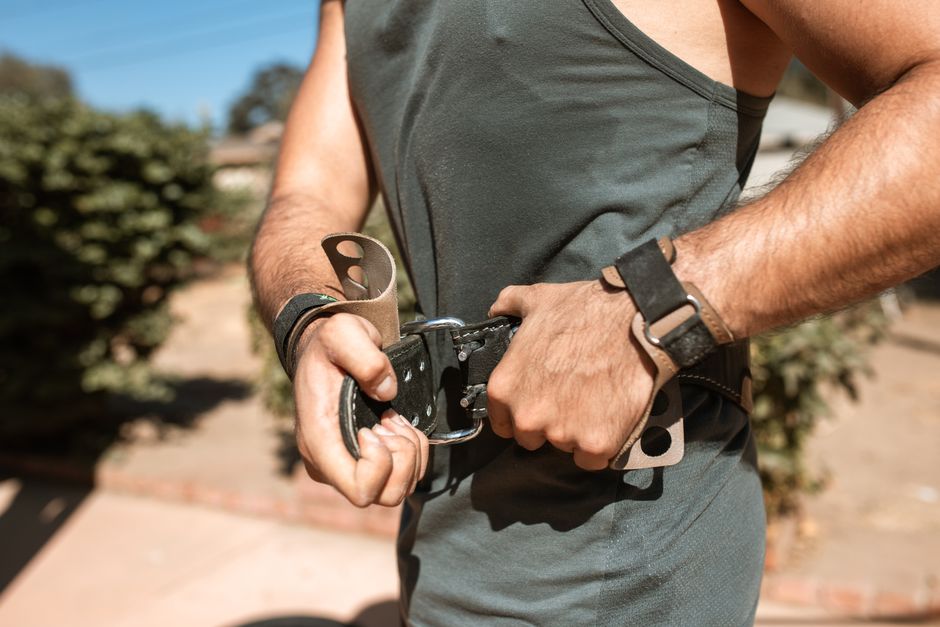
Using a lifting belt for deadlifts is about bracing against it, not wearing it for back support. You put the belt on tight, take a deep breath into your stomach, and push your belly out against the belt. This creates intra-abdominal pressure that stabilizes your spine. The belt is a tool to help you brace harder, not a crutch to protect your back.
How Tight Should a Lifting Belt Be for Deadlifts?
The belt needs to be snug enough that you cannot easily slide your fingers between the belt and your stomach. But it should not cut off your ability to take a full breath into your belly. Most lifters find a belt that is one notch looser than their squat belt works better for deadlifts.
If the belt is too loose, you cannot brace against it effectively. If it is too tight, you cannot expand your stomach to create pressure. The right tightness lets you take a deep breath and feel the belt resist your belly as you push out.
A good test is to put the belt on, take your normal deadlift breath, and see if you can push your stomach firmly against the belt. If you can, the tightness is right. If the belt shifts or slides up when you brace, it is too loose.
Where Should You Position the Belt on Your Body?
For deadlifts, the belt sits higher than for squats. Place it so the bottom edge is near your belly button and the top edge is just below your ribcage. This position allows you to brace your entire torso without restricting your hip movement when you bend down to grip the bar.
A common mistake is wearing the belt too low, which digs into your hips when you hinge forward. Another mistake is wearing it too high, which presses against your ribs and limits your breath. The right position changes slightly based on your torso length, but the belly button to lower rib area is the general target.
Some lifters prefer a tapered belt for deadlifts because it is wider in the back and narrower in the front. This design makes it easier to get into position without the belt digging into your ribs or hips. A uniform-width belt works too, but you may need to experiment with placement.
How to Brace Against the Belt During a Deadlift
Bracing is the most important part of using a belt. Without proper bracing, the belt does nothing useful. Here is the sequence:
- Take your stance and grip the bar.
- Take a deep breath into your belly, not your chest.
- Hold that breath and push your stomach out hard against the belt in all directions — front, sides, and back.
- Pull the slack out of the bar and begin the lift.
- Keep the breath held until the bar passes your knees, then exhale.
This technique is called the Valsalva maneuver. It increases pressure inside your torso and stiffens your spine. The belt amplifies this effect by giving your abdominal wall something to push against. Without the belt, your abs push outward into open air. With the belt, they push against a solid surface, which creates more pressure.
Research published in the Journal of Strength and Conditioning Research found that wearing a belt increases intra-abdominal pressure by roughly 10 to 15 percent compared to lifting without one. That extra pressure translates directly to more spinal stability and, for many lifters, a slightly heavier deadlift.





Should You Use a Belt for Every Deadlift Set?
This depends on your goal. For max effort sets above 85 percent of your one-rep max, a belt is a smart tool. For warm-up sets and lighter volume work, going beltless can help you build natural bracing strength.
Many experienced lifters use a belt only for their heaviest working sets. They do their warm-ups and lighter sets without it to train their core to brace on its own. This approach avoids relying on the belt as a crutch while still getting the benefit when the weight gets heavy.
If you are new to deadlifting, consider spending your first few months without a belt. Learn how to brace properly first. Add the belt once your technique is solid and you are pulling weights that challenge your spinal stability. The CDC reports that back injuries are the most common weightlifting injury, and poor bracing is a major cause.
Does Wearing a Belt Weaken Your Core?
This is a common concern, and the evidence is mixed. Some studies suggest that regular belt use may reduce core muscle activation during lifts. Other research finds no significant difference in core strength between belt users and non-users over time.
What matters more is how you use the belt. If you wear it for every set, including light weights, your core may learn to brace less on its own. If you save the belt for heavy sets and train without it on lighter days, your core gets both stimuli — independent bracing and assisted bracing.
Think of the belt as a tool for specific situations, not a permanent accessory. Use it when the weight demands extra stability. Leave it off when the weight is manageable. This balanced approach gives you the benefits without the potential downside.
What Type of Belt Is Best for Deadlifts?
Deadlift belts come in two main styles: tapered and uniform width. A tapered belt is wider in the back (usually 4 inches) and narrower in the front (around 2.5 to 3 inches). This design allows more freedom for your hips and ribcage when you hinge forward.
A uniform-width belt is the same width all around, typically 4 inches. These are better for squats but can be uncomfortable for deadlifts because the front edge presses into your ribs or hips. If you only want one belt for both lifts, a tapered belt is the more practical choice.
Material also matters. Leather belts are stiff and durable but require a break-in period. Nylon or suede belts are softer and more comfortable from day one but may not last as long. Competition-style belts are typically leather and very stiff, offering maximum support for max effort lifts.
| Belt Type | Best For | Width | Comfort for Deadlifts |
|---|---|---|---|
| Tapered leather | Deadlifts and general use | 4 in back, 2.5-3 in front | High |
| Uniform leather | Squats | 4 in all around | Moderate |
| Nylon/suede | Beginners and lighter loads | 4 in all around | High |
| Competition stiff leather | Max effort lifts | 4 in all around | Low until broken in |
Common Mistakes When Using a Deadlift Belt
The most common mistake is thinking the belt protects your spine. It does not. The belt only helps you brace harder. If you lift with a rounded back while wearing a belt, you are still at risk for injury. The belt amplifies what your body is doing — good or bad.
Another mistake is exhaling too early. Some lifters let their breath out at the start of the pull. This drops intra-abdominal pressure instantly and defeats the purpose of the belt. Keep the breath held until the bar passes your knees. Then exhale and reset at the top or on the way down.
A third mistake is wearing the belt too loosely. A loose belt slides up your torso when you hinge forward and offers no real bracing surface. It becomes a piece of clothing rather than a tool. If you can easily fit your whole hand between the belt and your stomach, it is too loose.
Finally, do not use a belt to cover up poor technique. If your deadlift form is inconsistent, fix that first. The belt is an advanced tool for lifters who already know how to brace and hinge properly. Using it too early can mask problems that will eventually catch up with you.
Frequently Asked Questions
Should I use a belt for warm-up deadlift sets?
No. Save the belt for your heaviest working sets. Warm-ups are a good time to practice bracing without assistance.
Can a lifting belt cause injury?
Not directly, but it can give a false sense of security that leads to poor form. If you lift with bad technique while wearing a belt, injury risk still exists.
How do I know if my belt is tight enough?
You should not be able to slide your fingers easily between the belt and your stomach. You should still be able to take a full belly breath.
Is a belt necessary for deadlifting?
No. Many strong lifters never use a belt. It is a tool, not a requirement. It helps some lifters pull more weight by improving bracing.
