
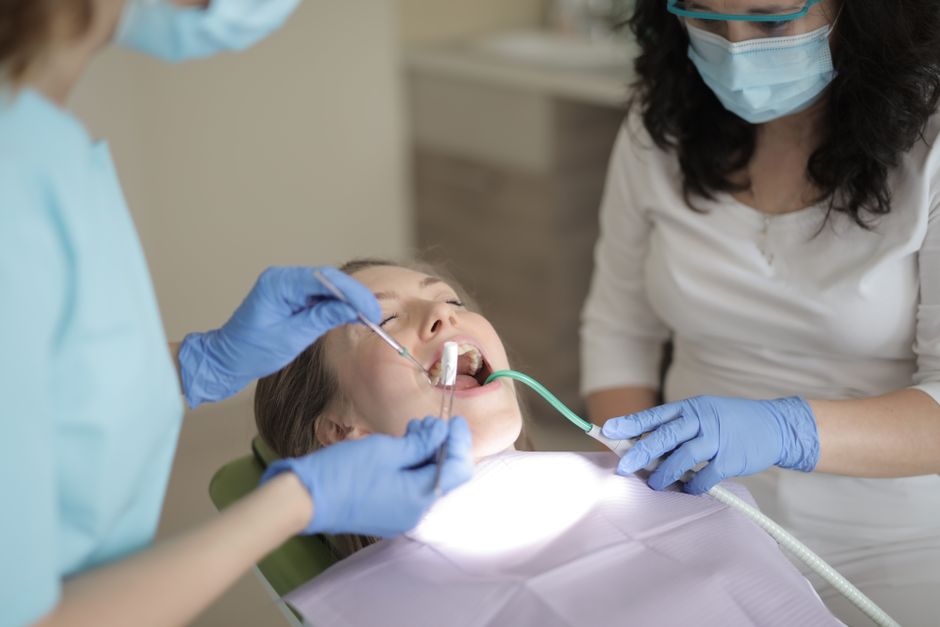
Your tooth is not a solid block of bone. It has a living core, and that core is the dental pulp. The pulp is the soft tissue at the center of every tooth, made up of blood vessels, nerves, and connective tissue. It keeps the tooth alive and healthy, and when it becomes damaged or infected, the result is often the pain that sends people to a dentist’s chair.
What Is Dental Pulp Made Of?
The pulp sits inside a chamber in the center of the tooth. This chamber has two parts: the pulp chamber in the crown (the part you see above the gum) and the root canals that run down through each root. The whole space is surrounded by a hard layer called dentin, which is itself covered by enamel on the crown and cementum on the root.
Inside that space, the pulp contains several types of tissue working together.
- Blood vessels that supply the tooth with oxygen and nutrients
- Nerves that sense temperature, pressure, and injury
- Connective tissue cells including fibroblasts and odontoblasts
- Immune cells that help defend against bacteria
Odontoblasts are worth knowing about. These cells line the outer edge of the pulp and produce dentin throughout your life. Dentin is the layer just under the enamel. It is softer than enamel but still hard, and it protects the pulp from the outside world. When dentin is damaged, odontoblasts can lay down new dentin to patch the gap.
The pulp narrows as you age. In a child, it is large and roomy. In an adult, it becomes smaller as more dentin builds up over time. This is normal and not a sign of disease.
What Does Dental Pulp Do?
The pulp does four main jobs, and all of them matter for tooth health.
First, it supplies the tooth with nutrients and moisture. Without a blood supply, the hard tissues of the tooth cannot stay healthy. The pulp keeps dentin hydrated and alive.
Second, it senses injury. The nerves in the pulp respond to heat, cold, and pressure. That sensitivity is a warning system. It tells you something is wrong before the damage becomes irreversible.
Third, it produces dentin. As mentioned, odontoblasts create new dentin in response to wear or injury. This is a repair mechanism, though a limited one.
Fourth, it defends against bacteria. The pulp contains immune cells that mount a response when bacteria get close. This defense is not unlimited, and once bacteria reach the pulp itself, the tissue can become inflamed and eventually die.
What Happens When the Pulp Gets Infected?
Pulpitis is the medical term for inflammation of the dental pulp. It happens when bacteria, trauma, or repeated irritation reaches the pulp. The most common cause is deep tooth decay that has eaten through enamel and dentin.
Pulpitis comes in two forms.
Reversible pulpitis means the pulp is inflamed but can still heal if the irritant is removed. The pain is usually brief and triggered by cold or sweet foods. Once the trigger is gone, the pain stops.
Irreversible pulpitis means the pulp is too damaged to recover. The pain may be spontaneous, lingering after a trigger, or even wake you at night. At this point, the pulp cannot heal on its own. Root canal treatment or extraction is typically needed.
If irreversible pulpitis is not treated, the pulp can die. This is called pulp necrosis. The tooth may stop hurting at that point, which can be misleading. The infection does not go away. It can spread into the surrounding bone and form an abscess. That is when swelling, fever, and serious complications can develop.
Trauma can also damage the pulp. A cracked tooth, a deep cavity, or a blow to the mouth can all compromise the pulp, sometimes without any visible sign at first.





How Do Dentists Know If the Pulp Is Damaged?
Dentists use several methods to assess pulp health, and no single test is perfect.
A cold test is common. The dentist applies a cold stimulus to the tooth and watches how it responds. A healthy tooth reacts briefly and then settles. A tooth with irreversible pulpitis may react strongly and the pain may linger. A dead tooth may not react at all.
An electric pulp test uses a small current to check whether the nerve is responsive. It can help confirm whether the pulp is alive, but it does not measure how healthy it is.
X-rays show the shape of the pulp chamber and root canals. They can reveal decay, bone loss, or an abscess at the root tip. They cannot directly show whether the pulp is inflamed.
Percussion and palpation tests check for tenderness around the tooth. These help the dentist understand whether inflammation has spread beyond the pulp into the surrounding tissues.
Together, these tests give the dentist a working picture. The diagnosis is based on the pattern of results, not any single finding.
Can the Pulp Heal on Its Own?
Reversible pulpitis can sometimes settle if the cause is removed. If a small cavity is cleaned and filled before bacteria reach the pulp, the inflammation can resolve. The pulp has some capacity to repair itself, mainly through the odontoblasts laying down new dentin.
Irreversible pulpitis does not heal on its own. Once the pulp is badly damaged, the tissue cannot regenerate. The body cannot replace the lost pulp cells. This is why root canal treatment exists: it removes the diseased pulp, cleans the space, and seals it to prevent reinfection. The tooth can then function without a living pulp because it still has its dentin, enamel, and the surrounding periodontal ligament that holds it in place.
A tooth without a pulp is not dead in the sense of being useless. It is still anchored in the jaw and can still bite and chew. It just loses its ability to sense temperature and to repair dentin.
What Is Root Canal Treatment and Why Is It Done?
Root canal treatment is the standard procedure for a tooth with irreversible pulpitis or a dead pulp. The dentist removes the inflamed or infected pulp tissue, disinfects the inside of the tooth, and fills the space with a rubber-like material. The tooth is then usually restored with a filling or crown.
The goal is to save the tooth and stop the infection from spreading. Without treatment, the infection can move into the bone around the root tip and cause an abscess. In rare cases, it can spread further and become a serious medical problem.
Root canal treatment has a high success rate in general dental practice. Some teeth need retreatment later, and some fail for reasons like complex canal anatomy or new decay. When a root canal cannot be done or is not advisable, extraction is the alternative.
There is a common myth that root canals cause illness elsewhere in the body. This idea comes from outdated research and has been thoroughly disproven. No credible evidence links root canal treatment to systemic disease. The procedure is done to remove infection, not create it.
How Can You Protect Your Dental Pulp?
You cannot see your pulp, but you can protect it by protecting the layers above it.
Keep decay from reaching the pulp by brushing twice a day with fluoride toothpaste and cleaning between your teeth daily. Regular dental checkups catch cavities when they are small and still far from the pulp.
Avoid using your teeth as tools. Cracking a tooth can expose the pulp directly. If you play contact sports, a mouthguard reduces the risk of trauma.
Do not ignore tooth pain. Pain that lingers after a cold drink, wakes you at night, or occurs without a trigger is a sign that the pulp may be inflamed. Waiting usually makes things worse, not better.
If you grind your teeth, talk to your dentist. Chronic grinding can wear down enamel and dentin over time, bringing the pulp closer to the surface.
What Does the Evidence Say About Pulp Regeneration?
Regenerative endodontics is an active area of research. The goal is to regrow pulp-like tissue inside a tooth instead of removing it. Some procedures, such as revascularization, are already used in certain cases, mostly in young permanent teeth with immature roots.
These techniques are not yet standard for most adult teeth. The evidence is still developing, and outcomes vary. For now, root canal treatment remains the most reliable option for a permanently damaged pulp in a mature tooth. If you hear claims about regrowing your own pulp at home, no clinical evidence supports that.
Frequently Asked Questions
What is dental pulp in simple terms?
The dental pulp is the soft living tissue inside the center of a tooth, containing nerves, blood vessels, and cells. It keeps the tooth nourished and helps it sense heat, cold, and pressure.
Can a tooth survive without its pulp?
Yes. After root canal treatment, a tooth can function normally without a pulp because it stays anchored in the jaw and keeps its hard outer layers. It loses temperature sensation but can still bite and chew.
Does tooth pain always mean the pulp is damaged?
No. Tooth pain can come from the gums, the ligament around the root, or a cracked tooth. Only a dentist can determine whether the pulp itself is involved.
Is root canal treatment painful?
Modern root canal treatment is usually performed with local anesthesia, so the procedure itself is not painful. Some soreness afterward is common and typically settles within a few days.
