
Unrefined olive oil is olive oil that has not been chemically processed or heavily refined after the olives are pressed. It is the oil in its most natural state, retaining the flavors, aromas, and nutrients found in the original fruit. This category includes extra virgin and virgin olive oils, which are extracted through mechanical means alone, without the use of high heat or chemical solvents.
What Is Unrefined Olive Oil Taste Nutrition More?
Unrefined olive oil tastes like the olives it came from. The flavor can range from grassy and peppery to buttery and mild, depending on the variety of olive, where it was grown, and when it was harvested. Nutritionally, unrefined olive oil is rich in monounsaturated fats and polyphenols — natural plant compounds that act as antioxidants in the body. The key difference between unrefined and refined olive oil is that refining strips away many of these beneficial compounds along with the flavor.
How Is Unrefined Olive Oil Made?
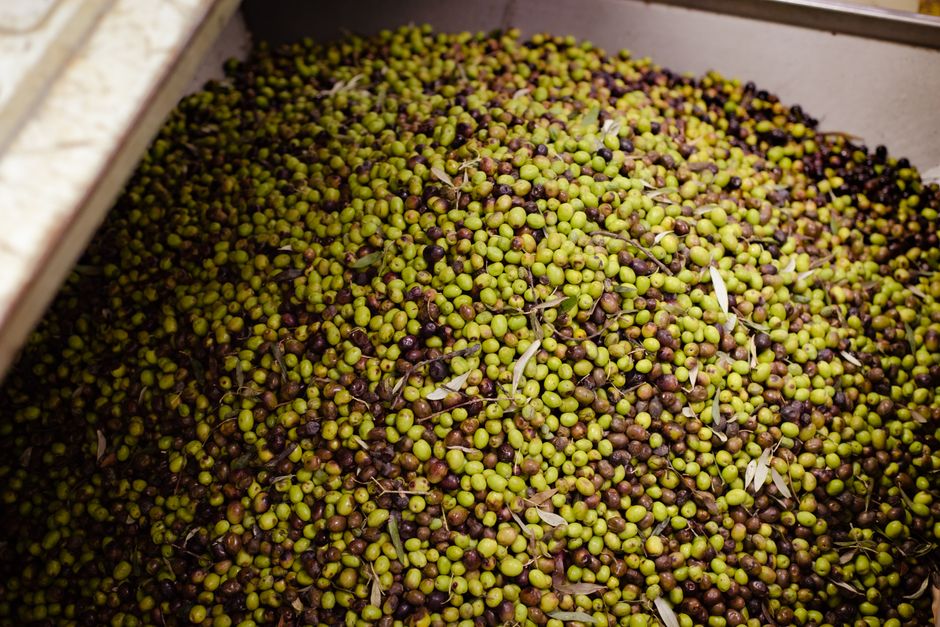
The process starts with whole olives that are washed, crushed into a paste, and then mixed slowly. This mixing step allows tiny droplets of oil to combine into larger ones. The paste is then pressed or spun in a centrifuge to separate the oil from the water and solids. The entire process happens at room temperature, which is why it is often called “cold pressed.”
No chemicals are used at any stage. No heat is applied to extract more oil. What comes out is the pure juice of the olive. This is why some producers call extra virgin olive oil “olive juice.”
Refined olive oil, by contrast, starts with the same pressing but then goes through additional processing. The oil is treated with heat and chemicals to remove off-flavors, odors, and free fatty acids. What remains is a neutral, pale oil that is then blended with a small amount of unrefined oil to give it some color and taste. Most standard “olive oil” or “pure olive oil” on supermarket shelves is this blend.
What Does Unrefined Olive Oil Taste Like?
The taste of unrefined olive oil is complex and varies widely. A freshly harvested oil from Greece might be grassy and slightly bitter. An oil from Italy might be fruity and peppery. One from Spain might be nutty and smooth. These differences come from the olive variety and the growing conditions, much like wine grapes.
Two flavor notes are worth understanding. Bitterness in olive oil comes from polyphenols, the same compounds linked to health benefits. A peppery sensation at the back of the throat, called pungency, is a sign of these antioxidants too. Many people interpret these flavors as defects, but they are actually markers of a high-quality, nutrient-rich oil.
Refined olive oil tastes almost like nothing. It is neutral, with a faint generic oil flavor. If you taste a refined oil and an unrefined oil side by side, the difference is obvious.





What Are the Nutritional Differences Between Refined and Unrefined Olive Oil?
Both refined and unrefined olive oils contain roughly the same amount of fat and calories. A tablespoon of any olive oil has about 120 calories and 14 grams of fat. The main fat in both is oleic acid, a monounsaturated fat that is stable at cooking temperatures and associated with heart health.
The real nutritional difference is in the minor compounds. Unrefined olive oil contains polyphenols, tocopherols (a form of vitamin E), and phytosterols. These compounds are largely removed during refining. Polyphenols are the most studied of these. Research consistently shows that diets rich in polyphenols are associated with reduced inflammation and better cardiovascular health.
The amount of polyphenols in unrefined olive oil varies. A fresh, high-quality extra virgin olive oil may contain 200 to 500 mg per kilogram. An oil that is old, stored in clear bottles, or exposed to heat will have far fewer. Refined olive oil typically contains almost none.
How Should You Use Unrefined Olive Oil?
Unrefined olive oil is versatile, but it has a lower smoke point than refined oils. The smoke point is the temperature at which oil starts to break down and produce smoke. Extra virgin olive oil has a smoke point around 375°F to 400°F (190°C to 205°C). This is lower than refined olive oil or other neutral cooking oils, but it is still high enough for most home cooking.
Sautéing vegetables, roasting at moderate temperatures, and baking are all fine with unrefined olive oil. The idea that olive oil becomes toxic at high heat is not supported by evidence. It does degrade, but the temperature at which that happens is above what most people use in a pan.
Where unrefined olive oil truly shines is in uncooked applications. Drizzling it over salads, dipping bread into it, finishing a soup with it, or using it in a vinaigrette lets the flavor come through. If you are paying for a high-quality extra virgin olive oil, you want to taste it.
For deep frying or very high-heat searing, a refined oil or another high-smoke-point oil such as avocado oil is a better choice. But for everyday cooking, unrefined olive oil works well.
How Should You Store Unrefined Olive Oil?
Unrefined olive oil is perishable. The same compounds that give it flavor and health benefits also make it sensitive to light, heat, and oxygen. Exposure to any of these degrades the oil and creates off-flavors.
Store unrefined olive oil in a cool, dark place. A kitchen cabinet away from the stove is usually fine. Dark glass bottles or tin containers protect the oil from light. Clear glass bottles allow light to damage the oil, which is why many producers avoid them.
Unrefined olive oil does not need to be refrigerated, but it does not hurt. Cold storage can cause the oil to become cloudy and thick. This is a natural process and the oil returns to normal at room temperature.
Like all oils, unrefined olive oil will eventually go rancid. Rancid oil smells like crayons or old nuts. It is not harmful to eat in small amounts, but it tastes bad and has lost its beneficial compounds. Most extra virgin olive oils stay fresh for 12 to 18 months from the bottling date if stored properly. Once opened, using it within a few months is ideal.
Is “Extra Virgin” the Same as Unrefined?
Extra virgin olive oil is always unrefined. It is the highest grade of olive oil and must meet strict chemical and sensory standards to be labeled extra virgin. The oil must be produced by mechanical means only, and it must have zero defects in taste and smell.
Virgin olive oil is also unrefined, but it is allowed to have minor sensory defects. It is less common on retail shelves and is often blended with refined oil to create standard “olive oil.”
When shopping, the label “extra virgin” is your guarantee of an unrefined product. The label “pure olive oil” or just “olive oil” means it contains refined oil. “Light olive oil” is a marketing term for refined olive oil with a neutral taste — it is not lower in calories.
Does Unrefined Olive Oil Have Health Benefits?
The Mediterranean diet, which is rich in unrefined olive oil, is consistently associated with lower rates of heart disease in observational studies. The PREDIMED study, a large randomized trial conducted in Spain, found that a Mediterranean diet supplemented with extra virgin olive oil was associated with a reduced risk of major cardiovascular events compared to a low-fat diet.
The polyphenols in unrefined olive oil are the likely reason for some of these benefits. These compounds have been shown in laboratory studies to reduce oxidative stress and inflammation. Whether they are responsible for the cardiovascular benefits seen in the Mediterranean diet, or whether it is the overall dietary pattern, is not fully settled.
What is clear is that replacing saturated fats like butter with unsaturated fats like olive oil is associated with better heart health. This is a consistent finding across many studies. Unrefined olive oil is a good source of these unsaturated fats, and it brings additional flavor and plant compounds that refined oils lack.
Frequently Asked Questions
What is the difference between unrefined and refined olive oil?
Unrefined olive oil is pressed from olives without heat or chemicals, keeping its natural flavor and nutrients. Refined olive oil is processed to remove flavor and color, which also strips away most of the beneficial plant compounds.
Is unrefined olive oil better for you than refined olive oil?
Unrefined olive oil contains more polyphenols and antioxidants than refined olive oil. Both provide the same heart-healthy monounsaturated fats, but the extra plant compounds in unrefined oil may offer additional benefits.
Can you cook with unrefined olive oil?
Yes, unrefined olive oil is fine for sautéing and roasting at moderate temperatures. Its smoke point is around 375°F to 400°F, which covers most home cooking methods.
How can you tell if olive oil is unrefined?
Look for the words “extra virgin” on the label, which guarantees the oil is unrefined. If the label just says “olive oil” or “pure olive oil,” it contains refined oil.
