
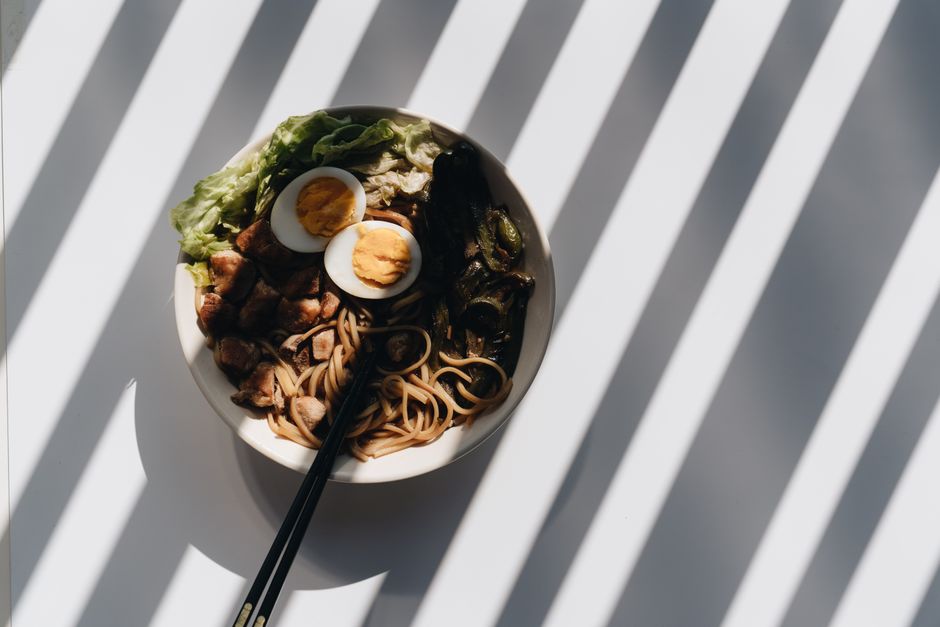
Umami is the fifth basic taste, alongside sweet, sour, salty, and bitter. It is best described as a savory, meaty, or brothy flavor that makes food taste satisfying and complete. The word comes from Japanese and translates roughly to “pleasant savory taste,” a term coined by a scientist in the early 1900s.
For decades, Western science only recognized four tastes. Umami was largely dismissed as a flavor enhancer rather than a distinct taste. That changed in the 1980s and 1990s when researchers confirmed that our tongues have specific receptors for this savory sensation. Today, umami is recognized globally as a fundamental taste, and it plays a major role in how we cook, season, and enjoy food.
What Is Umami Flavour Exactly?
Umami is the taste of glutamate, an amino acid that occurs naturally in many foods. Glutamate is a building block of protein, and it triggers a specific response on the tongue that our brains interpret as savory. When you eat a ripe tomato, aged cheese, or a bowl of miso soup, the deep, lingering flavor you notice is umami.
This taste is not just about saltiness or richness. It is a distinct sensation that coats the mouth and lingers after swallowing. Foods high in umami often taste “brothy” or “meaty” even when no meat is present. That is why a mushroom broth can feel hearty and satisfying in the same way a beef stock does.
The science behind umami is straightforward. Glutamate binds to specific taste receptors on the tongue, sending a signal to the brain that registers as savory. This is the same pathway used by other tastes, but the receptor is unique to umami. The discovery of these receptors in 2002 confirmed what many chefs and food scientists had suspected for decades.
Which Foods Contain Umami?
Umami appears naturally in a wide range of foods across many cuisines. It is not an additive or a manufactured flavor. It is a natural component of ingredients that have been part of human diets for thousands of years.
- Meat and fish: beef, pork, chicken, salmon, tuna, anchovies
- Aged and fermented foods: parmesan cheese, soy sauce, fish sauce, miso
- Vegetables: tomatoes, mushrooms, seaweed, potatoes
- Other sources: green tea, shellfish, cured ham
Ripening and fermentation increase umami content. A green tomato has less umami than a fully ripe one. Fresh cheese has less than aged parmesan. Fermentation breaks down proteins into free amino acids, including glutamate, which is why fermented products are so savory.
Cooking methods also matter. Grilling, roasting, and slow simmering concentrate umami flavors by reducing water content and breaking down proteins. A long-cooked stock tastes more savory than a quick broth for this reason. Combining umami-rich foods with each other amplifies the effect, which is why many traditional dishes pair tomatoes with cheese or mushrooms with soy sauce.
How Does Monosodium Glutamate Fit In?
Monosodium glutamate, or MSG, is the sodium salt of glutamate. It is a pure, concentrated form of umami. When MSG is added to food, it provides the same savory taste that occurs naturally in tomatoes or cheese. Chemically, the body cannot distinguish between glutamate from a tomato and glutamate from MSG.
MSG has a controversial reputation, but the science does not support most of the fear around it. Decades of research, including reviews by global health authorities, have found no consistent evidence linking MSG to serious health problems in the general population. Some people report mild, temporary symptoms like headache or flushing after eating large amounts, but controlled studies have not consistently reproduced these effects.
Food labels often list MSG as “hydrolyzed vegetable protein” or “yeast extract” when it is present in a processed form. These ingredients also contain free glutamate and provide umami. The body processes them the same way. The key point is that umami is not a chemical trick. It is a natural taste that humans have evolved to detect and enjoy.





Why Does Umami Matter for Health and Eating?
Umami plays a practical role in how we eat and how satisfied we feel after a meal. Research suggests that umami-rich foods may increase feelings of fullness and satiety. This is relevant for anyone trying to manage portion sizes or reduce reliance on salt and fat for flavor.
Foods high in umami can make low-sodium meals taste more flavorful. A splash of soy sauce or a sprinkle of parmesan can add depth without requiring large amounts of salt. This is not a medical recommendation, but it is a practical cooking strategy that many dietitians discuss with clients who need to reduce sodium intake.
Umami also helps explain why certain foods are so popular. Broths, stews, roasted vegetables, and aged cheeses are staples across cultures because they deliver this satisfying taste. Understanding umami gives you a vocabulary for why some meals feel comforting and complete while others feel flat.
There is no evidence that umami itself is harmful or that consuming it in normal amounts causes health problems. The concern, if any, comes from the foods that often carry umami. Highly processed snacks and instant noodles may be high in sodium and other additives, but the umami taste is not the issue.
How Can You Use Umami in Everyday Cooking?
You do not need specialty ingredients to cook with umami. Most kitchens already contain several umami-rich foods. The trick is knowing how to use them to build flavor.
Start with a base. Onions, garlic, and mushrooms sautéed in a little oil create a savory foundation. Add a splash of soy sauce, fish sauce, or Worcestershire sauce to deepen the flavor. A spoonful of tomato paste or miso paste dissolved in liquid adds instant depth to soups and sauces.
Aged cheeses like parmesan or pecorino are easy umami boosters. Grate them over pasta, salads, or roasted vegetables. Anchovies, despite their strong flavor, dissolve into sauces and dressings without tasting fishy. They add a savory backbone that is hard to identify but easy to miss when absent.
Roasting is one of the simplest ways to intensify umami. Roasted tomatoes, mushrooms, and root vegetables develop deeper flavor as moisture evaporates and natural sugars and amino acids concentrate. Even a simple tray of roasted vegetables can taste remarkably savory with just olive oil, salt, and heat.
Fermented ingredients are powerful umami sources. Miso, kimchi, sauerkraut, and fermented bean pastes bring both umami and complexity. A small amount goes a long way, so start with a teaspoon and adjust to taste.
Does Umami Have Any Downsides?
The main downside of umami is not the taste itself but the foods that often contain it in processed form. Instant noodles, flavored snacks, and packaged sauces rely on MSG or yeast extract to deliver savory flavor. These products often contain high levels of sodium, preservatives, and refined carbohydrates.
Eating these foods regularly is associated with health risks like high blood pressure and weight gain. But the culprit is the overall nutritional profile, not the umami flavor. A homemade soup with mushrooms, soy sauce, and vegetables delivers umami without the downsides of a packaged product.
For most people, there is no reason to avoid umami. It is a natural, satisfying taste that encourages eating a variety of nutrient-dense foods. The evidence for avoiding MSG specifically is weak, and the evidence for enjoying umami-rich whole foods is solid.
Frequently Asked Questions
Is umami the same as salty?
No. Saltiness comes from sodium and is detected by separate receptors on the tongue. Umami comes from glutamate and produces a savory, brothy sensation that is distinct from salt.
Can you taste umami without MSG?
Yes. Many whole foods contain natural glutamate, including tomatoes, mushrooms, parmesan cheese, and meat. MSG is just a concentrated form of the same compound.
Is umami safe to eat every day?
Yes. Umami occurs naturally in a wide range of everyday foods, and no evidence suggests that consuming it regularly is harmful. The health concerns around processed foods come from sodium and additives, not the umami taste itself.
Why do some people react badly to MSG?
Some people report mild, temporary symptoms like headaches or flushing after eating large amounts of MSG. Controlled studies have not consistently reproduced these effects, and global health authorities consider MSG safe for the general population.
