
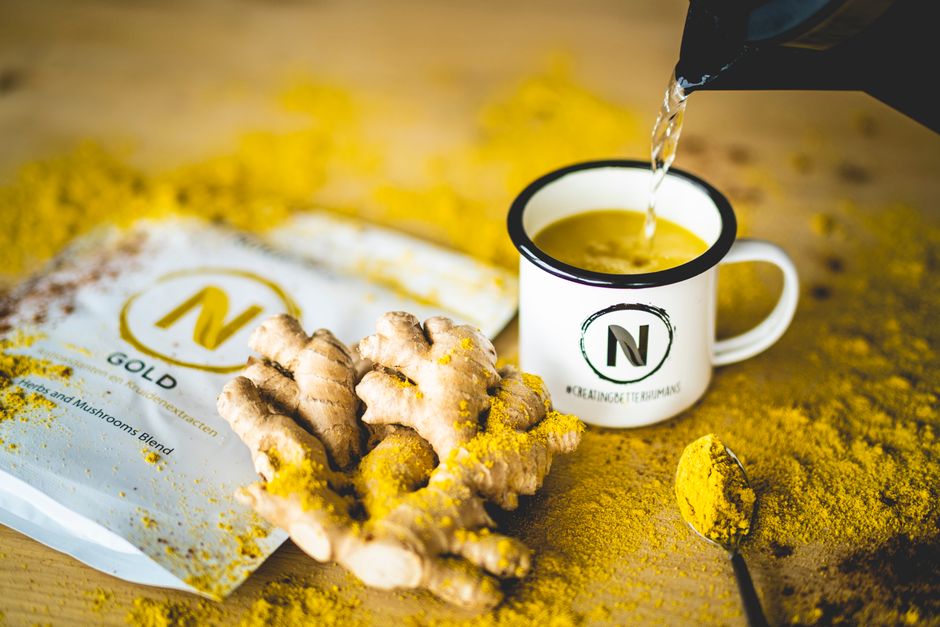
Turmeric, ginger, and black pepper are three kitchen spices that have been used in cooking and traditional medicine for centuries. Together, they are most often discussed for joint comfort, digestion, and inflammation. The three are frequently combined because a compound in black pepper can sharply increase how much curcumin — the main active compound in turmeric — the body absorbs.
That absorption effect is real and well documented. What the trio can actually do for your health is a more careful question. Some effects are supported by decent research. Others rest on laboratory studies or small trials that have not been confirmed in large human studies. Here is what the evidence shows, what it does not, and where the marketing gets ahead of the science.
What Is Turmeric Ginger And Black Pepper Good For?
Each spice brings different compounds, and the combination is largely built around one practical problem: turmeric on its own is poorly absorbed.
Curcumin is the best-studied compound in turmeric. It has been examined for effects on inflammation and joint symptoms. The catch is that curcumin taken by mouth is absorbed poorly, and the body clears it quickly. Most of it passes through without being used.
Ginger contains gingerols and related compounds. It has been studied most for nausea, including nausea from pregnancy and motion sickness, and to a lesser extent for digestion and joint discomfort.
Black pepper contains piperine. This is the compound that makes the combination interesting. Research has shown that piperine can substantially increase the amount of curcumin absorbed into the bloodstream. That finding is well established in small human studies. Whether that increased absorption translates into better health outcomes is a separate question, and one that is far less settled.
So the honest summary: the trio is best understood as a way to improve turmeric absorption, with ginger adding its own separate and modest evidence base. It is not a treatment for any disease.
How Does Black Pepper Increase Turmeric Absorption?
Piperine interferes with the body’s own process for clearing certain compounds from the body.
When you swallow curcumin, it passes through the wall of the small intestine and then through the liver. Both the intestinal wall and the liver attach molecules to curcumin that mark it for rapid removal. This is part of how the body handles many plant compounds and drugs — it treats them as foreign and gets rid of them quickly.
Piperine appears to slow that tagging process. In studies measuring blood levels of curcumin, taking piperine alongside it has produced much higher concentrations than taking curcumin alone. This is a pharmacokinetic effect — it changes how the body handles the compound, not what the compound does.
This distinction matters. Better absorption does not automatically mean better results. A compound can be absorbed efficiently and still have little measurable effect on a health outcome. Absorption is a step, not an endpoint.
One practical note: the same mechanism that raises curcumin levels could in principle affect how the body handles some medications, because many drugs are cleared by the same pathways. This is a theoretical concern based on mechanism rather than a well-documented set of interactions. If you take prescription medication, especially blood thinners or drugs for diabetes, it is worth asking a pharmacist or doctor before taking concentrated turmeric supplements.
What Does the Evidence Show for Joint Pain and Inflammation?
The most studied use of turmeric is for joint discomfort, and the results are genuinely mixed.
Some clinical trials have found that curcumin extracts reduced joint pain and improved function in people with knee osteoarthritis, with effects that in some studies were comparable to common pain relievers. Other trials have found little or no benefit. Study designs vary widely, doses differ, and the products tested are not the same as the turmeric in your spice rack.
An important point that rarely makes it into marketing copy: almost all of the positive trials used concentrated curcumin extracts, often at doses far higher than you would get from food. Cooking with turmeric does not deliver anything close to those amounts. And many of those trials did not use black pepper at all — they used other formulation strategies to improve absorption.
Ginger has a smaller but real evidence base for joint pain. A few trials have found modest reductions in knee pain with ginger supplementation. The effect sizes tend to be small, and the studies are not large.
Where does that leave you? The evidence supports a possible modest benefit for joint symptoms from concentrated curcumin, with real uncertainty. It does not support the idea that a turmeric-ginger-pepper tea or a spoonful in your food will meaningfully change joint pain. No clinical evidence currently confirms that culinary amounts produce these effects.




Can This Combination Help With Digestion and Nausea?
Ginger’s strongest evidence is for nausea, not general digestion.
Multiple studies and reviews have found that ginger can reduce nausea, including nausea during pregnancy and nausea after surgery or chemotherapy. This is one of the better-supported uses of any kitchen spice. The evidence for motion sickness is weaker and less consistent.
For general digestion — bloating, gas, slow emptying — the picture is much thinner. Ginger has been shown in some studies to speed up stomach emptying, which sounds helpful, but whether that translates into fewer symptoms for people with everyday digestive complaints is not well established.
Turmeric and black pepper have little direct evidence for digestive symptoms. Turmeric is sometimes described as soothing the gut, but that claim rests mainly on laboratory and animal studies. Human trials are limited.
If you are pregnant and considering ginger for nausea, that is a conversation to have with your doctor rather than something to self-manage. Doses used in studies are specific, and no single dose is right for everyone.
Does the Research Support Using It for Anything Else?
Turmeric and its compounds have been studied in a wide range of conditions, and this is where claims tend to outrun evidence.
Curcumin has been examined in laboratory studies for effects on cancer cells, and it does show activity in those settings. Laboratory findings do not translate directly to effects in the human body. Human trials of curcumin in cancer have been small and have not established a treatment role. Curcumin is not a cancer treatment, and no credible source claims it is.
Similar caution applies to heart disease, diabetes, and brain health. Curcumin has been studied for each, with some early signals and a great deal of uncertainty. No large, well-designed trial has confirmed meaningful benefits in these areas.
The pattern is consistent: promising laboratory findings, small human studies, and a lack of large definitive trials. That is not the same as proof of benefit, and it is not the same as proof of harm. It is simply an unfinished picture.
How Do You Use These Spices, and What Are the Risks?
Using turmeric, ginger, and black pepper in cooking is a normal, low-risk part of eating. The safety questions arise with concentrated supplements.
Culinary amounts of these spices are generally considered safe for most people. Black pepper in food amounts is not a concern for the general population.
Concentrated turmeric or curcumin supplements are a different matter. High doses can cause stomach upset, and turmeric supplements have been linked in rare cases to liver injury. This is uncommon but documented, and it has led regulators in some countries to issue warnings. Anyone with liver disease should be cautious.
Turmeric and curcumin can also interfere with blood clotting. People taking blood thinners, or scheduled for surgery, should talk to a doctor before using concentrated supplements. This is a real concern, not a theoretical one.
Ginger in supplement doses can cause heartburn and stomach discomfort in some people. It may also affect clotting at high doses.
A few practical points:
- Using these spices in food is not the same as taking concentrated extracts, and the evidence for health effects applies mostly to extracts.
- If you take prescription medication, check with a pharmacist before adding concentrated turmeric or ginger supplements.
- Stop any supplement and seek medical advice if you develop symptoms such as yellowing of the eyes or skin, dark urine, or unexplained fatigue.
- Pregnant women should talk to a doctor before using ginger or turmeric supplements, even though food amounts are considered fine.
There is no established dose of this combination that has been shown to produce a specific health outcome. That is worth sitting with. The reason you see so many different doses recommended online is that none has been confirmed as the right one.
Frequently Asked Questions
Is turmeric with black pepper actually better absorbed?
Yes. Research has shown that piperine, the compound in black pepper, can substantially increase blood levels of curcumin compared with taking curcumin alone. Whether that better absorption leads to better health outcomes is not established.
Can turmeric, ginger, and black pepper cure arthritis?
No. Some trials suggest concentrated curcumin may modestly reduce knee osteoarthritis pain, but results are mixed and no evidence supports a cure. These spices are not a replacement for medical treatment.
Is it safe to take turmeric and ginger every day?
Culinary amounts in food are generally considered safe for most people. Concentrated supplements carry more risk, including rare liver injury from turmeric and possible interference with blood thinners, so check with a doctor first.
Do I need black pepper to get benefits from turmeric?
Black pepper improves curcumin absorption, so it can help if you are relying on turmeric for a specific effect. But better absorption does not guarantee a health benefit, and the evidence for benefits is limited either way.
