
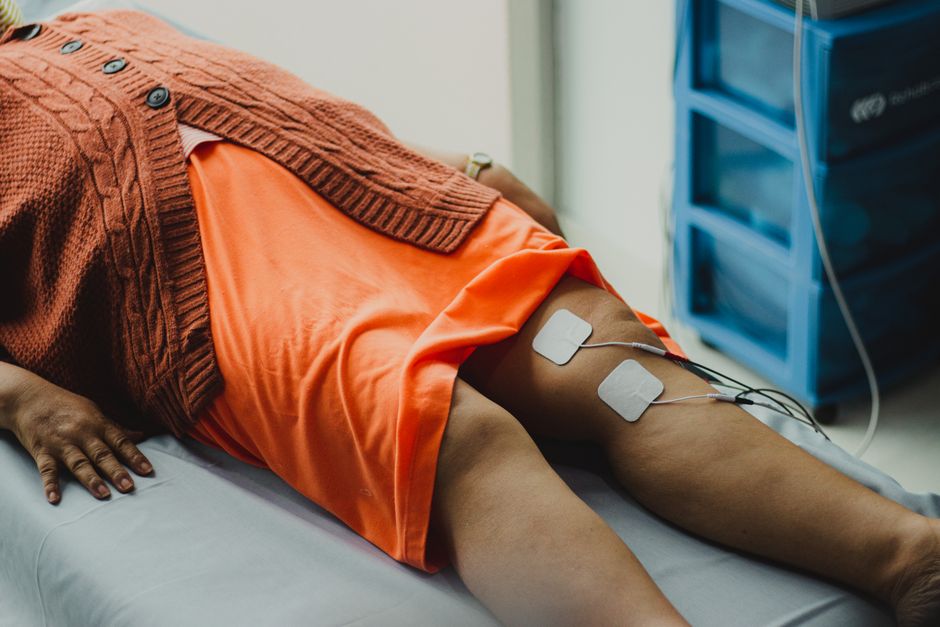
Thigh pain after hip replacement is common, and it usually has a physical explanation rather than being a sign that something went wrong. The most frequent causes are irritation of the soft tissues around the implant, problems with how the stem of the implant fits inside the thigh bone, nerve irritation, and referred pain from the lower back or the hip itself. In many cases the pain is temporary and linked to healing, muscle weakness, or returning to activity too quickly. In others, it points to a specific mechanical or biological issue that needs evaluation.
Understanding which category your pain falls into starts with knowing what happens during the surgery and how the body responds afterward.
What Causes Thigh Pain After Hip Replacement?
The thigh bone, or femur, is where the implant sits. During a total hip replacement, the surgeon removes the damaged ball of the hip joint and inserts a metal stem down into the hollow center of the femur. That stem is called the femoral component. Because the femur is directly involved in the surgery, it is one of the most common places to feel pain afterward.
Pain can come from several distinct sources, and they often overlap:
- Soft tissue irritation. Muscles, tendons, and the tissue lining the joint can become inflamed as they adapt to the new implant and to a changed walking pattern.
- Implant-related bone changes. The bone around the stem remodels over time. This process can cause a dull ache, especially in the first months.
- Nerve irritation. The nerves that run through and around the thigh can be stretched, compressed, or irritated during or after surgery.
- Referred pain. Problems in the lower back or the sacroiliac joint can produce pain that feels like it is coming from the thigh.
- Less common mechanical issues. A loose implant, a fracture around the implant, or an infection can cause thigh pain, though these are far less common than soft tissue and bone remodeling causes.
The timing of the pain matters. Pain that starts in the first weeks is often related to surgery and healing. Pain that appears months or years later raises different questions.
How Does the Femoral Implant Cause Thigh Pain?
The femoral stem is the part of the implant inside your thigh bone. How it interacts with the bone is central to why thigh pain happens.
Bone responds to load. When a stiff metal stem is placed inside a bone that is more flexible, the stem can carry more of the load than the surrounding bone does. Over time, the bone around the stem may thin slightly because it is bearing less stress. This process is called stress shielding. It is a well-documented effect of hip implants and can contribute to a deep, aching pain in the thigh.
There is also the matter of how the stem fits. If the stem is slightly too large or too small, or if it does not sit exactly as intended, the bone and the implant may not share load smoothly. A mismatch at the tip of the stem can create a focal point of stress, which some people feel as pain in the middle of the thigh.
The type of fixation matters too. Cemented stems are held in place with bone cement. Uncemented stems rely on the bone growing into the implant surface. Both approaches have good track records, but each can produce its own pattern of early discomfort while the bone and implant settle into a stable relationship.
Is Thigh Pain Normal After Hip Replacement?
Some thigh pain in the weeks and months after surgery is common and expected. The body is healing, the muscles are relearning how to work, and the bone is adjusting to the implant. Mild to moderate pain that gradually improves is generally part of the normal recovery process.
What is not normal is pain that gets worse instead of better, pain that returns after a period of improvement, or pain that comes with fever, swelling, or a sudden inability to bear weight. Those patterns need prompt medical attention.
Many people notice that thigh pain fades within the first several months as healing progresses and strength returns. Others have lingering discomfort that improves more slowly. Recovery timelines vary widely from person to person, and there is no single schedule that applies to everyone.





When Is Thigh Pain a Sign of a Problem With the Implant?
Most thigh pain after hip replacement is not caused by implant failure. But some cases are, and knowing the warning signs matters.
A loose implant is one possibility. Loosening can happen when the bond between the implant and bone weakens over time. It may cause pain that is worse with activity and better with rest, and it can develop gradually. Some people describe it as a deep, persistent ache.
Infection is another concern, though it is uncommon. An infection around a hip implant can cause pain that does not improve, along with swelling, warmth, or fever. It can appear soon after surgery or years later. This is a serious situation that requires medical evaluation.
A fracture around the implant, called a periprosthetic fracture, can also cause sudden thigh pain, often after a fall or a twist. This typically produces sharp pain and an inability to put weight on the leg.
These are the less common causes, but they are the ones that most need a doctor’s assessment. If your pain is severe, sudden, or accompanied by other symptoms, do not wait.
Can Nerve Pain Cause Thigh Pain After Hip Replacement?
Yes. The nerves that supply the thigh travel through the pelvis and down the leg, and they can be affected by hip surgery.
The most commonly involved nerve is the lateral femoral cutaneous nerve, which provides sensation to the outer thigh. Pressure or stretching of this nerve can cause numbness, tingling, or a burning sensation on the outside of the thigh. This is sometimes called meralgia paresthetica when it occurs on its own, and it can also occur after hip surgery.
The femoral nerve and the sciatic nerve can also be involved, though less commonly. Symptoms depend on which nerve is affected. Nerve-related pain often has a different quality than bone or muscle pain. It may feel like burning, shooting, or electric shocks rather than a dull ache.
Nerve irritation after hip replacement often improves over time as the nerve recovers, but the timeline varies. Some cases resolve within weeks, while others take much longer.
Could the Pain Be Coming From Somewhere Else?
Not all thigh pain after hip replacement comes from the hip. Referred pain from the lower spine is a common source. The nerves that exit the lower back travel down into the thigh, and problems in the spine can produce pain that feels like it is in the leg.
This is an important distinction. If the hip implant is functioning well but the pain persists, the source may be the lumbar spine, the sacroiliac joint, or another structure entirely. A thorough evaluation looks at the whole picture rather than assuming the hip is always the cause.
Muscle imbalances can also play a role. After surgery, some muscles weaken while others tighten. This can change how you walk and put stress on different parts of the leg, leading to pain that seems to come from the thigh but actually stems from how the muscles are working together.
What Should You Do About Thigh Pain After Hip Replacement?
The right step depends on when the pain started, how severe it is, and whether it is improving.
For mild pain that is gradually getting better, gentle activity, prescribed exercises, and time are often the mainstays. Physical therapy can help address muscle weakness and walking patterns that may be contributing to the pain. Many surgeons recommend staying active within safe limits rather than resting completely.
For pain that is severe, worsening, or accompanied by other symptoms, contact your surgeon or a doctor promptly. Imaging and blood tests can help identify whether the cause is mechanical, infectious, or something else.
It is worth being cautious about any treatment that promises to eliminate thigh pain without a proper diagnosis. The cause determines the treatment, and what helps one cause may not help another.
How Long Does Thigh Pain Usually Last?
There is no single answer because the cause varies so much. Pain related to healing and soft tissue irritation often improves over the first few months. Pain related to bone remodeling may take longer. Nerve-related pain can resolve within weeks or persist for months.
If pain is not improving, or if it is interfering with daily life, that is a signal to seek evaluation rather than wait indefinitely. Recovery after hip replacement is not a straight line, and setbacks are common, but persistent or worsening pain deserves attention.
When to Call Your Doctor
Contact your surgeon or a doctor if you notice any of the following:
- Pain that is getting worse instead of better
- Pain that returns after a period of improvement
- Fever, chills, or feeling unwell
- Swelling, warmth, or redness around the hip
- Sudden inability to bear weight on the leg
- Pain that is severe or unrelenting
These signs do not automatically mean something is seriously wrong, but they are reasons to get checked. Early evaluation can rule out problems that are easier to address when caught sooner.
Frequently Asked Questions
Is thigh pain after hip replacement normal?
Some thigh pain in the weeks and months after surgery is common and often related to healing, muscle changes, or bone remodeling. Pain that worsens, returns after improving, or comes with fever or swelling is not normal and should be checked.
How long does thigh pain last after hip replacement?
It varies widely depending on the cause. Pain from soft tissue irritation often improves over the first few months, while bone-related or nerve-related pain may take longer or follow a different course.
Can a hip implant cause thigh pain years later?
Yes. Loosening of the implant, infection, or bone changes around the stem can cause thigh pain that appears months or years after surgery. These causes are less common than early healing-related pain but need medical evaluation.
What does nerve pain in the thigh feel like after hip replacement?
Nerve-related pain often feels like burning, tingling, numbness, or electric shocks rather than a dull ache. It can affect the outer thigh or other areas depending on which nerve is involved.
