
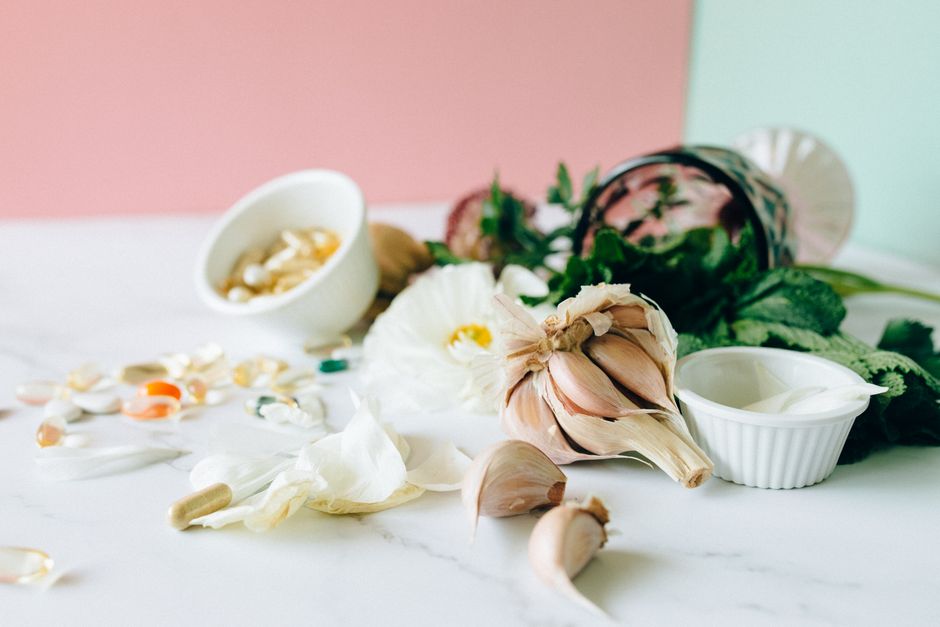
Garlic sometimes turns pink, green, or blue after cooking, chopping, or sitting in vinegar or oil — and in most cases, the garlic is safe to eat. The color change is usually a chemical reaction between sulfur compounds in garlic and other substances, not a sign of spoilage. The exceptions matter: pink or green garlic sitting in oil at room temperature, or garlic with mold, a foul smell, or a slimy texture, should be thrown out.
Is Pink Garlic Safe To Eat? Causes And When To Worry
Garlic turning pink is a normal chemical reaction in most cases. The color forms when compounds in garlic called sulfur amino acids react with certain other molecules, producing pigments that range from pink to green to blue.
Several things can trigger this reaction:
- Acid exposure. Chopped garlic mixed with vinegar, lemon juice, or tomato sauce often turns green or blue. This is the most common cause.
- Copper or iron. Garlic cooked in a reactive pan or mixed with certain foods can react with trace metals and shift color.
- Enzymes and heat. Crushing or cutting garlic releases an enzyme called alliinase. Heat and time can change how those compounds behave and what color they produce.
- Young or immature garlic. Fresh, early-harvest garlic tends to turn color more easily than cured, older bulbs.
The color itself is not a toxin. The pigments formed are not harmful. If the garlic smells and feels normal, the color change alone is not a reason to throw it away.
The real concern is what the color might be hiding. Pink or green garlic in oil is a different situation than pink garlic in vinegar. Garlic in oil at room temperature creates conditions where bacteria can grow, and that is a genuine food safety risk regardless of color.
Why Does Garlic Turn Pink or Green?
The color comes from the same family of compounds that give garlic its smell and flavor. When garlic cells are damaged by chopping, crushing, or cooking, an enzyme called alliinase is released. This enzyme converts a compound called alliin into allicin, the molecule most responsible for garlic’s characteristic odor and many of its biological effects.
From there, a series of reactions can occur. When allicin or related sulfur compounds interact with amino acids and certain metals, they can form pigment molecules. These pigments are chemically similar to the ones that make some vegetables change color, and they are not toxic.
Acid speeds up the reaction. That is why garlic in vinegar-based dressings, pickles, or tomato sauce turns green or blue far more often than garlic cooked in plain oil. The green color in garlic mixed with acid is well documented and is sometimes called “garlic greening.”
Temperature plays a role too. Garlic that sits at room temperature after chopping tends to change color faster than garlic kept cold. Older garlic and garlic that has been stored a long time may also be more prone to color shifts.
One point worth knowing: the color change does not mean the garlic has lost its flavor or its active compounds. In many cases, the same reactions that create the color are the ones that create garlic’s pungent taste. The garlic is still garlic.
When Is Pink Garlic Actually a Problem?
Color alone rarely signals danger. Other signs do. If garlic has any of the following, throw it out — the color is not the issue, the spoilage is:
- A slimy or sticky texture
- A foul, sour, or rotten smell
- Visible mold, especially fuzzy white, green, or black patches
- Soft, mushy, or discolored flesh that is not just surface color
- Garlic stored in oil that has been left at room temperature for more than a short time
Garlic in oil deserves special attention. Garlic stored in oil at room temperature can support the growth of Clostridium botulinum, the bacterium that causes botulism. This is a serious, potentially life-threatening illness. The concern is not the color — it is that oil creates an oxygen-free environment where this bacterium can grow if it is present.
Commercially prepared garlic-in-oil products are typically acidified to prevent this. Homemade garlic in oil is not. If you make your own garlic oil, refrigerate it and use it within a few days, or freeze it. Do not leave it on the counter.
Raw garlic itself does not support botulism growth well because of its acidity and natural antimicrobial compounds. Once it is submerged in oil, those protections are diluted. That is the shift that matters.




Does Pink Garlic Mean It Has Gone Bad?
No. Pink, green, or blue garlic is usually a sign of a chemical reaction, not spoilage. The color can appear within minutes of chopping or after days of storage, and it can happen in garlic that is perfectly fresh.
Spoilage looks and smells different. Bad garlic is soft, slimy, or moldy. It smells wrong — sour, musty, or rotten rather than sharp and pungent. If those signs are absent and the garlic was stored properly, the color is cosmetic.
That said, “usually” is not “always.” If you are unsure, trust your senses. A single bulb that looks and smells off is not worth the risk. When in doubt, throw it out — that rule applies to food safety generally and it applies here.
Garlic that has been properly dried and stored in a cool, dark, dry place can last for months. Once it is chopped, its shelf life shortens. Once it is in oil, it shortens dramatically.
How Should You Store Garlic to Prevent Problems?
Whole, unpeeled garlic stores best in a cool, dark, dry place with good air circulation. A mesh bag or a bowl on the counter works well. Avoid sealed plastic bags, which trap moisture and encourage mold.
Once garlic is peeled or chopped, refrigerate it and use it within a few days. Chopped garlic in a sealed container in the fridge is fine for a short period, though it will lose some potency over time.
For garlic in oil, the rules are stricter:
- Refrigerate homemade garlic oil immediately
- Use it within a few days, or freeze it in small portions
- Never store it at room temperature
- Discard it if it smells off or looks cloudy in a way that seems wrong
Garlic vinegar is more forgiving because acid inhibits bacterial growth. Still, refrigerate it and use it within a reasonable time.
If you want garlic flavor in oil without the safety concern, cook the garlic into the oil and use it right away, or use a commercially prepared product that has been made to be shelf-stable.
Can You Eat Pink Garlic Raw?
Yes, if it is fresh and otherwise normal. Pink or green color in raw garlic that has been chopped and mixed with acid is common and not harmful. The color does not indicate spoilage or toxicity in that situation.
Raw garlic does have its own considerations. It is pungent and can cause stomach upset in some people, especially in large amounts. It can also irritate the mouth and esophagus. That is true whether the garlic is pink or white.
If the raw garlic has been sitting in oil at room temperature, do not eat it. That is the one raw garlic scenario where the risk is real and serious.
For most people, a clove or two of raw garlic in food is fine. If you take blood-thinning medication or have a bleeding disorder, talk to your doctor before eating large amounts of raw garlic, because garlic can affect platelet function.
Does Cooking Change the Safety of Pink Garlic?
Cooking does not make colored garlic unsafe, and it does not make spoiled garlic safe. Heat kills many bacteria, but it does not destroy all toxins, and it does not reverse spoilage.
If garlic turned pink during cooking in a normal dish, it is fine to eat. The color is a reaction, not a contaminant. If the garlic was already spoiled before cooking, cooking will not fix it.
One practical note: garlic that turns green or blue in a dish can look alarming, but it is harmless. It happens often with garlic in tomato sauce, in vinaigrettes, and in dishes with lemon or lime. You can reduce the color change by using fresh garlic, adding acid later in cooking, or briefly blanching garlic before adding it to acidic dishes — though none of these steps are necessary for safety.
What About Garlic That Turns Blue or Green Instead of Pink?
The same chemistry is at work. Blue and green garlic are the more common colors, especially with acid. Pink is less common but follows the same general principle — sulfur compounds reacting with other molecules to form pigments.
The color depends on the specific compounds present, the pH of the environment, and the presence of trace metals. Copper tends to push the color toward blue-green. Iron can produce darker colors. The exact shade is not a reliable indicator of anything in particular.
What matters is the same in every case: smell, texture, and storage conditions. If those are normal, the color is not a problem.
Frequently Asked Questions
Is pink garlic safe to eat?
Yes, in most cases. Pink garlic is usually the result of a harmless chemical reaction between garlic compounds and acid, heat, or trace metals, not spoilage.
Why did my garlic turn pink in oil?
Garlic in oil can change color due to the same sulfur-compound reactions, but garlic stored in oil at room temperature also carries a serious botulism risk and should be refrigerated and used within a few days or discarded.
Does pink garlic mean it has gone bad?
No. Spoilage is signaled by a slimy texture, a foul smell, or visible mold, not by color alone.
Can you eat pink garlic raw?
Yes, if it is fresh and has not been sitting in oil at room temperature. Raw garlic that turned color after being chopped and mixed with acid is safe.
