
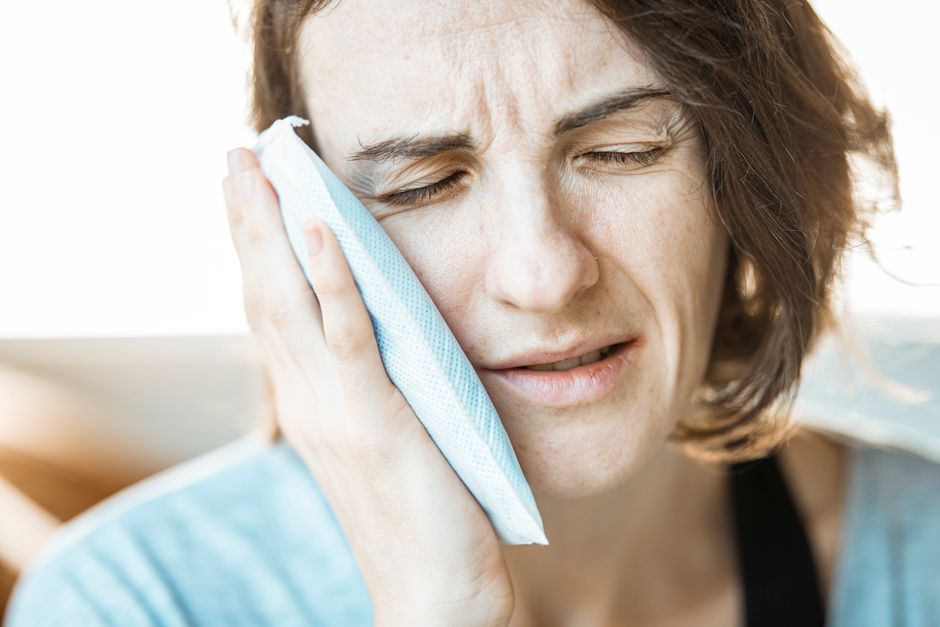
Throbbing pain feels like a rhythmic pulse of pressure or ache, often matching your heartbeat. It happens when blood vessels widen and blood flow increases around injured or inflamed tissue, pushing against sensitive nerve endings. This type of pain is your body’s way of signaling that something is actively inflamed, infected, or damaged. Understanding what causes that pulsing sensation can help you decide when to treat it at home and when to see a doctor.
What Exactly Is Throbbing Pain and How Does It Feel?
Throbbing pain is a specific type of pain that pulses or beats in rhythm with your heart. People describe it as a pounding, pulsing, or hammering sensation. It can be constant or come and go, but it always has a noticeable rhythm.
The sensation happens because inflammation causes blood vessels to expand. More blood rushes to the area with each heartbeat. The extra fluid pushes against the walls of your blood vessels and surrounding tissues. Nerves in that area then send pain signals to your brain that match the pulse.
Common places people feel throbbing pain include the head (migraines), teeth (abscesses), joints (gout or arthritis flare-ups), and injuries like sprains or cuts. The pain often gets worse when you lower the affected area below heart level because gravity pulls more blood into it.
What Causes Throbbing Pain? The Main Reasons
Inflammation is the most common cause of throbbing pain. When tissue gets damaged from injury, infection, or autoimmune conditions, your immune system sends white blood cells and chemicals to the area. This causes swelling, heat, and redness. The extra fluid and pressure create that pulsing sensation.
Infections often produce throbbing pain. A tooth abscess, for example, creates a pocket of pus that builds pressure. As your heart beats, the pressure rises and falls, causing the classic toothache throb. Skin infections like cellulitis or infected wounds do the same thing.
Migraines are a major cause of throbbing head pain. Research published in the journal Headache has found that during a migraine, blood vessels in the brain dilate and then constrict. This stretching of vessel walls activates pain nerves. The throbbing typically occurs on one side of the head and worsens with movement.
Blood vessel problems can also cause throbbing. Conditions like giant cell arteritis, where arteries become inflamed, produce a throbbing headache. Varicose veins cause a throbbing ache in the legs because blood pools and stretches the vein walls.
How Does the Body Create the Throbbing Sensation?
The process starts when cells get damaged. They release chemicals like prostaglandins and histamine. These chemicals signal your blood vessels to widen so more immune cells can reach the site. This widening is called vasodilation.
With each heartbeat, a wave of blood surges through the widened vessels. The pressure from this surge pushes against the surrounding tissue. If the tissue is already swollen from inflammation, the pressure is even higher. Your pain nerves, called nociceptors, detect this pressure change and send rapid signals to your spinal cord and brain.
Your brain interprets these signals as a pulsing pain. The rhythm matches your heart rate. If your heart beats faster, like during exercise or stress, the throbbing can intensify. This is why rest and elevation often help — they reduce blood flow to the area and lower the pressure.
| Factor | Effect on Throbbing Pain | Why It Happens |
|---|---|---|
| Lying down | May increase head pain | Blood flow to the head increases when horizontal |
| Elevating an injured limb | Reduces throbbing | Gravity drains blood and fluid away |
| Physical activity | Worsens throbbing | Heart rate and blood pressure rise |
| Cold compress | Reduces throbbing | Constricts blood vessels and numbs nerves |
| Alcohol | Can worsen throbbing | Widens blood vessels and increases blood flow |




What Does Research Show About Throbbing Pain and Inflammation?
Research consistently shows that throbbing pain is closely tied to inflammation. A 2019 study in Pain journal used MRI scans to watch how the brain processes throbbing pain. Researchers found that the brainstem, which controls basic functions like heart rate, syncs up with the pain signals. This explains why the pain feels rhythmic.
Another study from the University of Oxford showed that applying pressure to an inflamed area triggers a stronger pain response than applying pressure to healthy tissue. The inflamed nerves are already sensitized. The extra mechanical pressure from blood flow pushes them over the threshold.
The CDC reports that inflammation is a factor in many chronic pain conditions. Conditions like rheumatoid arthritis, tendinitis, and gout all involve ongoing inflammation and often produce throbbing pain during flare-ups. Treating the underlying inflammation usually reduces the throbbing.
Some studies suggest that the brain itself may amplify throbbing pain. When pain signals reach the brain, it can send signals back down to the spinal cord that either increase or decrease the pain. In chronic pain conditions, this system can get stuck in overdrive, making the throbbing feel worse than the actual tissue damage would suggest.
When Is Throbbing Pain a Sign of Something Serious?
Most throbbing pain is temporary and related to minor injuries or infections. But some situations need medical attention quickly.
Throbbing pain after a head injury can signal bleeding inside the skull. If you hit your head and develop a throbbing headache that gets worse, go to the emergency room. Other warning signs include confusion, vomiting, or weakness on one side of the body.
Throbbing pain in one leg with swelling could be a deep vein thrombosis (DVT). This is a blood clot that can travel to your lungs. The CDC notes that DVT affects up to 900,000 Americans each year. Symptoms include swelling, warmth, and a throbbing or cramping pain in one leg, usually the calf.
Throbbing pain with a fever suggests an infection that may need antibiotics. A tooth abscess, sinus infection, or skin infection can spread if not treated. If the pain is severe or the fever is high, see a doctor.
Throbbing pain that wakes you up at night is worth investigating. Many types of pain improve with rest. Pain that gets worse at night or wakes you from sleep can signal a more serious problem like bone infection or tumor.
- Go to the ER if: throbbing pain follows a serious injury, you have chest pain with it, or you cannot move the affected area
- See a doctor within 24 hours if: you have fever, redness spreading from the painful area, or numbness
- Make an appointment if: the pain lasts more than a week despite home care, or it keeps coming back
What Actually Helps Throbbing Pain at Home?
For minor throbbing pain from injuries or inflammation, home treatments can work well. The goal is to reduce blood flow to the area and lower inflammation.
Cold therapy is one of the most effective options. Applying an ice pack wrapped in a towel for 15-20 minutes constricts blood vessels. This reduces the blood surge that causes throbbing. You can repeat this every 2-3 hours during the first 48 hours after an injury.
Elevation helps by using gravity to reduce blood flow. If your ankle is throbbing, prop it up on pillows above heart level. This lowers the pressure inside the blood vessels and reduces the pulsing sensation.
Nonsteroidal anti-inflammatory drugs (NSAIDs) like ibuprofen or naproxen directly target the inflammation. They block the chemicals that widen blood vessels. The American Academy of Family Physicians recommends NSAIDs as a first-line treatment for inflammatory pain. Always follow the package directions and check with your doctor if you have kidney problems or stomach issues.
Rest is often overlooked but important. Moving the injured area makes your heart pump more blood to it. This increases the pressure and the throbbing. Give the area a break for at least 24-48 hours.
Compression with an elastic bandage can help for limb injuries. It provides gentle pressure that counteracts the blood vessel expansion. Do not wrap it too tight — if your toes or fingers turn blue or tingle, loosen it.
Frequently Asked Questions
Is throbbing pain always a sign of infection?
No. Throbbing pain is most often caused by inflammation from injury, not infection. But if the throbbing pain is accompanied by fever, redness, or pus, an infection is likely.
Can stress cause throbbing pain?
Yes. Stress can trigger tension headaches and migraines, both of which can produce throbbing pain. Stress also raises blood pressure and heart rate, which can intensify existing throbbing pain.
Why does throbbing pain get worse when I lie down?
Lying down increases blood flow to your head and upper body. For head pain like migraines or sinus infections, this extra blood flow raises pressure in the blood vessels and makes the throbbing stronger.
How long does throbbing pain usually last?
It depends on the cause. Minor injury throbbing typically improves within 2-3 days with rest and ice. Throbbing from chronic conditions like arthritis can last days to weeks. See a doctor if it lasts more than a week.
