
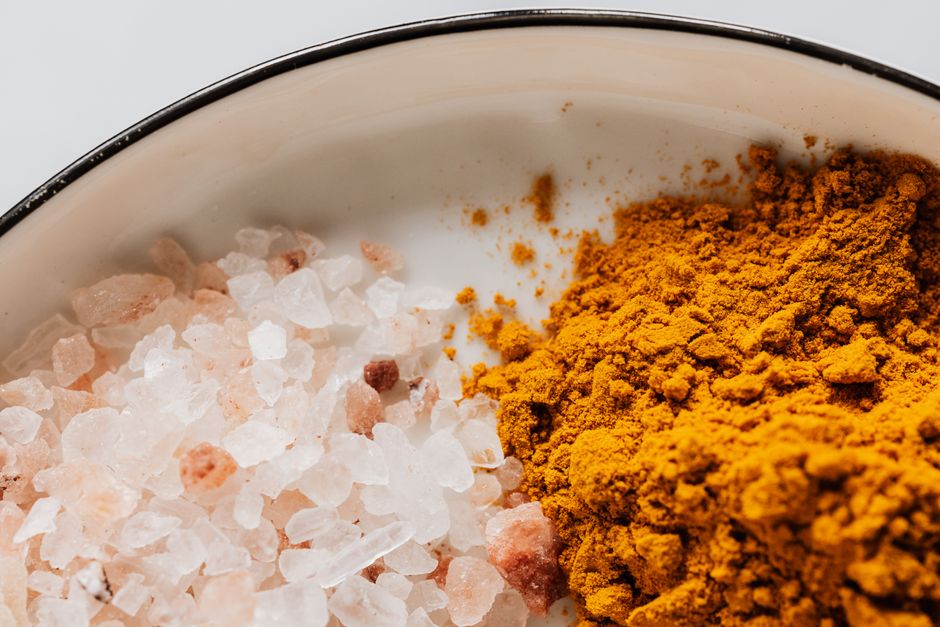
If you have sciatica, you know the pain can run from your lower back all the way down your leg. Many people ask about turmeric because it is a common kitchen spice with anti-inflammatory properties. Research suggests turmeric, specifically its active compound curcumin, may help reduce inflammation linked to nerve pain. The most effective way to use turmeric for sciatica is to take it as a supplement with black pepper, which boosts absorption, or to use it in cooking with fat and heat.
Does Turmeric Actually Work for Sciatica Pain?
The short answer is that turmeric can help, but it is not a cure. Studies have found that curcumin, the active ingredient in turmeric, has anti-inflammatory effects. Sciatica pain often comes from inflammation pressing on the sciatic nerve. So reducing that inflammation can lower pain levels.
A 2014 study in the Journal of Alternative and Complementary Medicine looked at curcumin for knee osteoarthritis. Participants who took curcumin reported less pain than those on a placebo. While this was not specifically sciatica, the mechanism is similar. Both conditions involve inflammation in joints or nerves.
Some studies suggest curcumin may be as effective as ibuprofen for certain types of pain. A 2014 trial compared curcumin to ibuprofen in people with knee osteoarthritis. The curcumin group had similar pain relief. But the study was small and short-term.
Here is the honest part. Most research on curcumin for nerve pain is early. Strong clinical trials on sciatica specifically are limited. What we have is promising but not conclusive. If you try turmeric, expect it to be a helper, not a replacement for medical care.
What Is the Best Way to Take Turmeric for Sciatica?
Your body does not absorb turmeric well on its own. Curcumin is poorly soluble in water and breaks down quickly. To get real benefits, you need to take it correctly.
The most effective method is a supplement that contains piperine. Piperine is the compound in black pepper that boosts curcumin absorption by up to 2000 percent. Look for supplements labeled “curcumin with piperine” or “BioPerine.”
Dosage matters. Most studies use 500 to 1000 mg of curcumin per day, often split into two doses. Do not exceed this without talking to your doctor. Higher doses can cause stomach upset.
You can also use turmeric in cooking, but the effects are milder. To get noticeable pain relief from food, you would need to eat a lot of turmeric every day. That is not practical for most people.
Here is a comparison of common methods:
| Method | Absorption | Effectiveness for Pain | Convenience |
|——–|————|———————-|————-|
| Curcumin supplement with piperine | High | Moderate to strong | Easy |
| Turmeric powder in cooking | Low | Mild | Moderate |
| Turmeric tea | Very low | Minimal | Easy |
| Topical turmeric paste | Low | Mild for local pain | Moderate |
Stick with supplements if you want measurable results. Use cooking or tea for general wellness support.
How To Use Turmeric For Sciatica Pain Relief: Practical Steps
If you decide to try turmeric, follow these steps for safety and effectiveness.
First, choose a quality supplement. Look for one that lists the amount of curcuminoids, not just turmeric root. Standardized extracts with 95 percent curcuminoids are common in studies. Check the label for a third-party seal like USP or NSF.
Second, take it with food. Curcumin is fat-soluble, so taking it with a meal that contains fat improves absorption. A meal with avocado, olive oil, or nuts works well.
Third, start with a low dose. Begin with 300 mg of curcumin once daily for a few days to see how your stomach handles it. Then increase to 500 mg twice daily if tolerated.
Fourth, be patient. Turmeric is not fast-acting like ibuprofen. It may take two to four weeks to notice a difference in pain levels. Some people report improvement within days, but that is not typical.
Fifth, combine it with other evidence-based treatments. Turmeric works best as part of a broader plan. Gentle stretching, walking, and heat therapy can all help sciatica. Do not rely on turmeric alone.





What Are the Side Effects and Risks?
Turmeric is generally safe for most people, but it is not risk-free. The most common side effects are digestive. Some people get gas, bloating, or diarrhea, especially at higher doses.
A bigger concern is drug interactions. Curcumin can thin the blood. If you take blood thinners like warfarin or aspirin, talk to your doctor first. It can also interact with diabetes medications and drugs for acid reflux.
People with gallbladder problems should be cautious. Turmeric can stimulate bile production, which may worsen gallstones or bile duct blockages.
Pregnant or breastfeeding women should avoid high-dose supplements. The amounts used in cooking are fine, but concentrated extracts have not been studied enough for safety during pregnancy.
As of 2026, current research suggests that long-term use of high-dose curcumin is safe for most healthy adults. But no supplement is completely harmless. Always check with your healthcare provider before starting a new regimen.
What About Turmeric Tea or Golden Milk?
Golden milk and turmeric tea are popular, but they are not strong enough for significant pain relief. The amount of curcumin in a cup of tea is tiny compared to what studies use.
A typical turmeric tea recipe uses one teaspoon of turmeric powder. That contains about 200 mg of curcumin. But without piperine, your body absorbs less than 5 percent of it. You get maybe 10 mg of usable curcumin. Studies use 500 to 1000 mg.
That said, golden milk can still be part of a pain management routine. The warmth and the ritual can be soothing. Some people report mild relief from the combination of turmeric, ginger, and warm milk. Just do not expect it to replace a supplement or medication.
If you want to maximize the tea, add a pinch of black pepper and a teaspoon of coconut oil or ghee. The fat helps absorption slightly, and the pepper helps more. Even then, it is a minor contributor.
Common Misconceptions About Turmeric and Sciatica
There are several myths about turmeric that need clearing up.
One myth is that fresh turmeric root is stronger than dried powder. In reality, both contain similar amounts of curcumin by weight. Fresh root has more volatile oils that give flavor, but for anti-inflammatory effects, dried powder is just as good.
Another myth is that you can take turmeric indefinitely with no issues. While it is safe for most people, long-term high doses can cause iron deficiency. Curcumin binds to iron in the gut and reduces absorption. If you have low iron, monitor your levels.
A third myth is that turmeric works instantly. It does not. Curcumin builds up in your system over weeks. Do not expect a quick fix. If you do not see results after four to six weeks, it may not be the right option for you.
Finally, some people think turmeric can replace medical treatment for severe sciatica. It cannot. If you have numbness, weakness, or loss of bladder control, see a doctor immediately. Turmeric is a support tool, not a solution for serious nerve damage.
Frequently Asked Questions
Can I take turmeric with my other pain medications?
Check with your doctor first, especially if you take blood thinners, NSAIDs, or diabetes drugs. Curcumin can interact with these medications and change how they work.
How long does it take for turmeric to help sciatica pain?
Most people need two to four weeks of consistent use to notice a difference. Some see improvement within days, but that is not the norm.
Is it safe to use turmeric topically on my lower back?
Topical turmeric paste can be safe for mild local pain, but it may stain skin and clothing. There is no strong evidence it helps nerve pain deeper in the body.
What dose of turmeric should I take for sciatica?
Most studies use 500 to 1000 mg of curcumin per day, split into two doses. Start with a lower dose to check tolerance, then increase slowly.
