
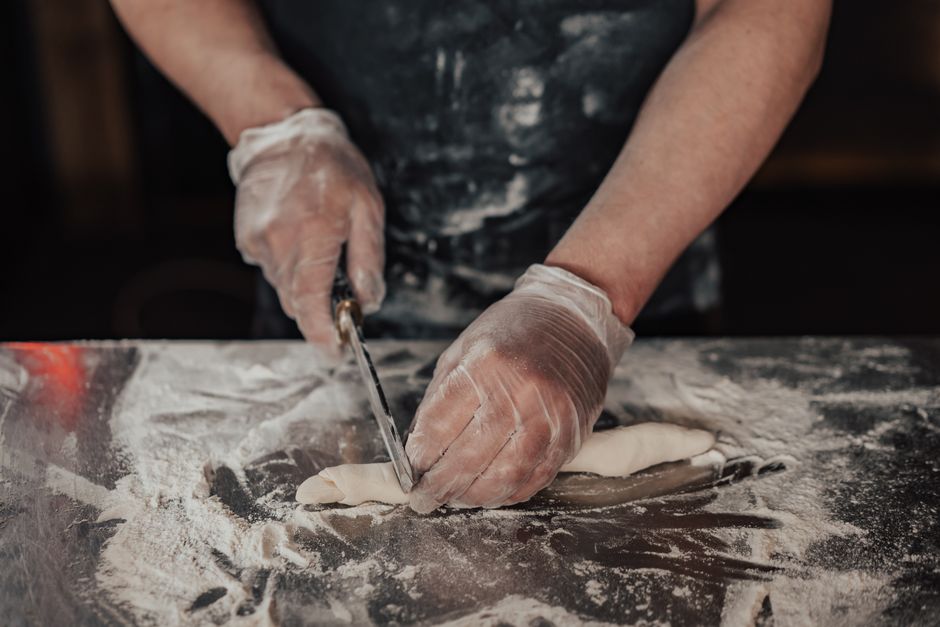
Walk into a market in Accra, a kitchen in Lagos, or a restaurant in Nairobi and you will see it: a smooth, pale, slightly stretchy mound of dough sitting next to soup or stew. It has almost no taste of its own. It is not bread. It is not pasta. It is fufu — the general name for a family of starchy staples made from cassava, yam, plantain, maize, or rice, pounded or stirred into a soft, elastic dough and eaten by tearing off a piece and dipping it into sauce.
The same idea goes by many names across the continent. In West Africa it is often fufu, banku, or eba. In East and Central Africa you will hear ugali, nsima, sadza, or posho. In parts of southern Africa it is pap. The ingredients and names change with the region, but the method and the role at the table stay remarkably consistent.
What Is The White Dough In African Food Called?
The most common answer is fufu, though that single word covers a wide range of dishes. Fufu is a starchy side made by pounding or mixing a cooked starch — most often cassava, sometimes yam, plantain, or a blend — until it forms a smooth, pliable dough. It is served alongside soups and stews and eaten by hand.
The name you use depends on where you are and what the dough is made from. This is the part that trips people up. There is no single universal term because the dish is not a single recipe. It is a technique and a category.
Here is how the main versions break down:
- Fufu — traditionally pounded cassava, yam, or a cassava-plantain mix. Smooth and slightly stretchy.
- Eba — made from garri, which is fermented and dried cassava. Firmer and more crumbly than pounded fufu.
- Banku — fermented corn and cassava dough, common in Ghana. Slightly sour.
- Ugali — stiff maize porridge, the East African staple. Dense and firm.
- Nsima, sadza, pap, posho — regional names for essentially the same maize-based dough across southern and central Africa.
So when someone asks what the white dough is called, the accurate answer is that it depends on the country and the starch. Fufu is the most widely recognized umbrella term, but it is not the only correct name.
What Is Fufu Actually Made From?
Traditional fufu starts with starchy root vegetables or fruit. Cassava is the most common base. White yam, cocoyam, and green plantain are also used, sometimes alone and sometimes combined. The raw ingredients are boiled until soft, then pounded in a large wooden mortar with a pestle until the texture turns smooth and elastic.
That pounding step matters. It is not just mixing. The repeated striking breaks down the starch granules and develops the stretchy, cohesive texture that distinguishes real fufu from a plain porridge. Anyone who has eaten both knows the difference immediately.
Modern versions often skip the mortar. Instant fufu powders — made from dried cassava, plantain, or yam flour — are stirred into hot water and form a dough in minutes. These are widely sold in African groceries and online. The texture is close but usually less elastic than the pounded original.
The maize-based versions work differently. Ugali, nsima, and pap are made by slowly adding maize meal to boiling water and stirring constantly until the mixture thickens into a stiff dough. No pounding is involved. The result is denser and holds its shape more firmly than cassava fufu.
How Do You Eat Fufu and Similar Doughs?
You eat it with your right hand. This is not a suggestion — in many African cultures it is the established custom, and using the left hand is considered improper at the table. Wash your hands before the meal.
The technique is simple once you try it. Pinch off a piece about the size of a golf ball. Roll it lightly between your fingers to form a smooth ball. Press a small indentation into it with your thumb, then use that hollow to scoop up soup or stew. Swallow the whole piece — fufu is not chewed in the way bread is.
The dough itself is deliberately bland. That is the point. It is a neutral carrier for the sauce, which is where all the flavor lives. A well-made peanut soup, egusi stew, or palm nut soup does the heavy lifting. The fufu provides texture and bulk.
This is also why fufu is filling. It is dense, calorie-rich starch, and a modest amount goes a long way. Most meals pair one portion of dough with a generous serving of soup that contains protein, vegetables, and oil.




Is Fufu the Same as Ugali, Pap, or Nsima?
They belong to the same family but they are not identical. The core difference is the starch and the method.
Fufu is typically cassava, yam, or plantain based and pounded into an elastic dough. Ugali, nsima, sadza, pap, and posho are maize based and stirred rather than pounded. The maize versions tend to be firmer, less stretchy, and slightly grainier in texture.
Eba and banku sit somewhere in between. Eba uses garri — fermented, dried cassava — and produces a firmer, more crumbly dough than pounded fufu. Banku combines fermented corn and cassava and has a distinctly sour note from the fermentation.
If you are trying to identify a specific dish, the starch and the region are your best clues. A smooth, stretchy white dough in Nigeria or Ghana is most likely fufu or eba. A stiff white maize cake in Kenya or Tanzania is almost certainly ugali.
What Does Fufu Taste Like and Is It Nutritious?
Plain fufu tastes like almost nothing. It has a faint starchy sweetness and a mild fermented tang in some versions, but it is not a flavorful food on its own. Its job is texture and bulk, not taste.
Nutritionally, it is mostly carbohydrate. Cassava-based fufu is high in starch and low in protein and fat. It provides calories and some vitamins and minerals depending on the base ingredient, but it is not a complete food on its own.
The nutritional profile changes with the starch:
- Cassava fufu — high in carbohydrate, very low in protein, contains some vitamin C.
- Yam fufu — slightly more fiber and potassium than cassava.
- Plantain fufu — higher in potassium and resistant starch.
- Maize ugali or nsima — high in carbohydrate, low in protein, and low in the amino acid lysine.
This is why the accompanying soup matters so much. In traditional diets, the soup supplies the protein, fat, and micronutrients that the dough lacks. A meal of fufu with a rich bean, fish, or meat stew is far more balanced than the dough alone would suggest.
One practical note: cassava must be properly processed before eating. Raw cassava contains naturally occurring cyanogenic compounds, and traditional methods of soaking, fermenting, and cooking are what make it safe. This is well established and is why cassava is not eaten raw.
Where Can You Buy or Make It?
If you live near an African grocery store, you can usually find instant fufu flour, garri, and maize meal. These products are shelf-stable and quick to prepare. Instant fufu typically involves stirring the powder into hot water until it forms a dough, similar to making instant mashed potatoes but firmer.
Making it from scratch takes more work but is not complicated. Boil peeled cassava or yam until tender, then pound or mash it while hot until smooth. A food processor can approximate the texture, though it will not be quite as elastic as hand-pounded fufu.
For maize versions like ugali or nsima, the process is closer to making polenta. Bring water to a boil, add maize meal gradually while stirring, and keep stirring until the mixture pulls away from the sides of the pot into a stiff ball.
If you are new to these foods, start with an instant version to get a feel for the texture. Then try a traditional version at an African restaurant if one is near you. The difference between instant and freshly pounded fufu is noticeable, and tasting both makes the distinction clear.
Frequently Asked Questions
What is the white dough in African food called?
It is most commonly called fufu, though the same type of starchy dough goes by names like ugali, nsima, sadza, pap, eba, and banku depending on the region and the starch used. Fufu is the most widely recognized term.
Is fufu healthy?
Fufu is mostly carbohydrate and low in protein on its own, so its nutritional value depends heavily on what it is eaten with. Paired with a protein- and vegetable-rich soup, it can be part of a balanced meal.
What is the difference between fufu and ugali?
Fufu is usually made from cassava, yam, or plantain and pounded into an elastic dough, while ugali is made from maize meal and stirred into a firmer, less stretchy dough.
Can you eat fufu if you have diabetes?
Fufu is high in rapidly digestible carbohydrate and can raise blood sugar, so portion size and what it is eaten with matter. Anyone managing diabetes should discuss starchy staples like fufu with their doctor or a dietitian rather than relying on general advice.
