
The systemic circuit is the part of your circulatory system that carries oxygen-rich blood from the heart to every tissue in your body except the lungs, then returns the now oxygen-poor blood back to the heart. This loop delivers the oxygen and nutrients your organs need to function and carries away carbon dioxide and other waste products. It starts when the heart’s left ventricle pumps blood into the aorta, the body’s largest artery, and ends when deoxygenated blood flows back into the right atrium through the superior and inferior vena cavae.
What Is The Systemic Circuit Blood Flow Explained Step by Step
Blood flow through the systemic circuit follows a single, consistent path. Understanding each stop helps clarify how your body stays supplied with fuel.
Here is the sequence in order:
- Left ventricle — The heart’s strongest chamber contracts and pushes oxygen-rich blood out.
- Aorta — This massive artery receives the full force of the heartbeat and branches into smaller arteries.
- Arteries — These thick-walled vessels carry blood away from the heart under high pressure.
- Arterioles — Small branches that lead into capillary beds. Their muscular walls help regulate blood pressure and flow distribution.
- Capillaries — Microscopic vessels where oxygen, nutrients, and waste products are exchanged with surrounding tissues.
- Venules — Small veins that collect blood from the capillaries.
- Veins — Larger vessels that carry blood back toward the heart under low pressure.
- Vena cavae — The superior vena cava drains blood from the upper body; the inferior vena cava drains blood from the lower body.
- Right atrium — The receiving chamber that completes the circuit and passes blood to the right ventricle, where the pulmonary circuit begins.
The systemic circuit and the pulmonary circuit work together but serve different purposes. The pulmonary circuit only goes to the lungs to drop off carbon dioxide and pick up fresh oxygen. The systemic circuit then distributes that oxygen everywhere else.
What Happens at the Capillary Level
Capillaries are where the real work happens. These vessels are so narrow that red blood cells must pass through in single file. Their walls are only one cell thick, which allows substances to move across easily.
Oxygen moves out of the capillary into the surrounding tissue because the concentration is higher in the blood. Carbon dioxide moves in the opposite direction, from tissue into the blood, because its concentration is higher in the tissue. This passive process is called diffusion. It requires no energy from the body.
Fluid also leaks out of capillaries into the spaces between cells. This fluid, called interstitial fluid, delivers nutrients and carries waste. Most of it is reabsorbed at the venous end of the capillary bed. The remainder is collected by the lymphatic system and eventually returned to the bloodstream near the neck.
Not every capillary is open at all times. Your body directs blood flow based on demand. After a meal, more capillaries open in your digestive tract. During exercise, skeletal muscles receive a larger share. This process, called autoregulation, is controlled locally by the tissues themselves based on oxygen levels and metabolic needs.
Why Blood Pressure Differs Between Arteries and Veins
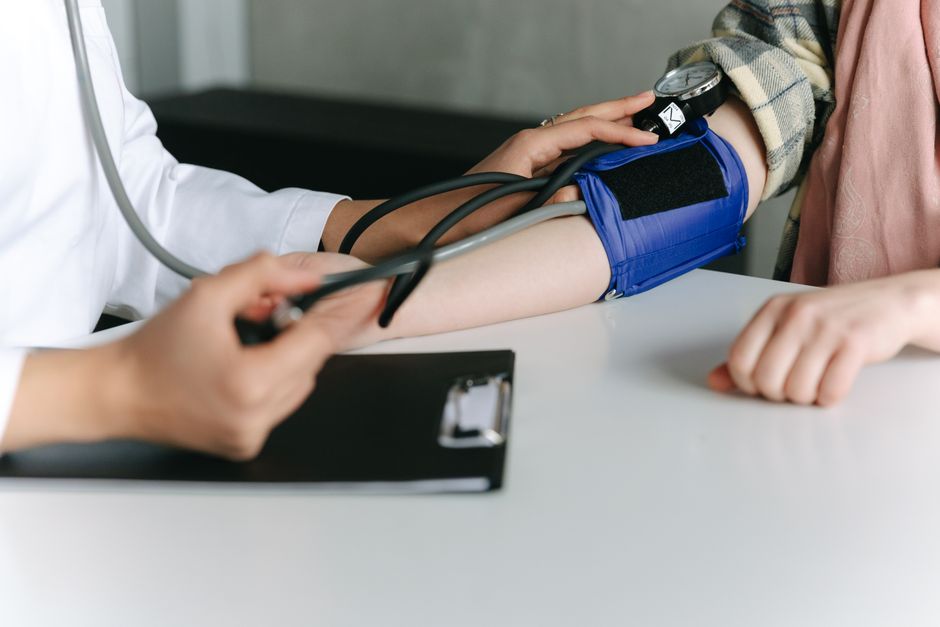
Blood pressure is not uniform throughout the systemic circuit. It is highest in the aorta and large arteries, where the force of the heartbeat is strongest. Normal resting blood pressure in the aorta is around 120/80 mmHg. That number represents the pressure during a heartbeat (systolic) and between beats (diastolic).
Pressure falls steadily as blood moves through smaller vessels. By the time blood reaches the capillaries, pressure has dropped dramatically to roughly 30 mmHg at the arterial end. This lower pressure is critical. If capillary pressure were too high, fluid would be forced out faster than it could be reabsorbed, causing swelling in the tissues.
Veins operate at very low pressure, often below 10 mmHg. This creates a challenge because blood must travel upward against gravity when you stand. Three mechanisms help return venous blood to the heart:
- One-way valves inside veins prevent backward flow.
- Skeletal muscle pump — when your leg muscles contract during movement, they squeeze nearby veins and push blood upward.
- Respiratory pump — changes in chest pressure during breathing pull blood toward the heart.
This is why prolonged sitting or standing can cause blood to pool in the legs. Movement keeps the muscle pump active and maintains venous return.



What Is Cardiac Output and How Does It Relate to the Systemic Circuit
Cardiac output is the volume of blood the heart pumps per minute. It is calculated by multiplying heart rate by stroke volume, which is the amount of blood ejected with each beat. In a resting adult, cardiac output is roughly 5 liters per minute. That equals the total blood volume circulating through the body each minute.
During intense exercise, cardiac output can rise to 20 to 25 liters per minute in trained individuals. The systemic circuit must accommodate this increased flow. Arteries dilate to reduce resistance, capillary beds open wider, and venous return increases because the skeletal muscle pump works harder.
The systemic circuit also distributes cardiac output unevenly based on need. At rest, the brain receives about 15 percent of cardiac output, the kidneys about 20 percent, and the liver about 25 percent. During exercise, blood flow to muscles can increase more than twentyfold while flow to less active organs temporarily decreases.
How the Systemic Circuit Changes With Age and Disease
Aging affects the systemic circuit in predictable ways. Arteries naturally become stiffer over time. This increases systolic blood pressure because the aorta cannot expand as easily to absorb the force of each heartbeat. The result is a gradual rise in blood pressure with age, which is why normal ranges are sometimes adjusted for older adults.
Atherosclerosis is the most common disease of the systemic circuit. Plaque builds up inside artery walls, narrowing the passageway and reducing blood flow. When this happens in the coronary arteries, it causes chest pain or heart attacks. In the carotid arteries, it can lead to strokes. In the legs, it causes claudication, which is pain during walking that resolves with rest.
Heart failure occurs when the left ventricle cannot pump blood effectively enough to meet the body’s demands. Blood backs up into the lungs, causing shortness of breath, and fluid accumulates in the legs and abdomen. The systemic circuit is directly affected because forward flow is compromised.
Varicose veins are a common problem of the venous side of the systemic circuit. When vein valves fail, blood pools in the lower legs. This causes visible bulging veins, aching, and swelling. In severe cases, skin changes and ulcers can develop near the ankles.
How to Keep Your Systemic Circuit Healthy
The same habits that protect your heart also protect the entire systemic circuit. Regular aerobic exercise strengthens the heart muscle and improves the ability of arteries to dilate. Walking, cycling, and swimming are all effective forms.
A diet low in sodium and high in potassium supports healthy blood pressure. The DASH diet, which emphasizes fruits, vegetables, whole grains, and low-fat dairy, has been shown to reduce blood pressure in people with hypertension. Limiting saturated and trans fats helps prevent atherosclerosis.
Smoking damages the inner lining of arteries and accelerates plaque formation. Quitting smoking produces measurable improvements in vascular health within months. The risk of heart attack and stroke begins to drop soon after the last cigarette.
Managing blood pressure, blood sugar, and cholesterol levels reduces stress on the systemic circuit. These three factors account for a large share of cardiovascular risk. Regular checkups that measure blood pressure and cholesterol are the most reliable way to catch problems early.
Stay physically active throughout the day. Even brief walking breaks reduce the time blood pools in the legs and keep the muscle pump active. Prolonged sitting is now recognized as an independent risk factor for cardiovascular disease, separate from lack of exercise.
Frequently Asked Questions
What is the difference between the systemic circuit and the pulmonary circuit?
The systemic circuit carries oxygen-rich blood from the heart to the body and returns oxygen-poor blood back. The pulmonary circuit carries oxygen-poor blood from the heart to the lungs and returns freshly oxygenated blood.
Where does the systemic circuit begin and end?
It begins when the left ventricle pumps blood into the aorta and ends when deoxygenated blood returns to the right atrium through the vena cavae.
Why is capillary pressure lower than arterial pressure?
Lower capillary pressure allows efficient exchange of oxygen and nutrients without forcing too much fluid out of the vessels. If capillary pressure were too high, fluid would accumulate in tissues and cause swelling.
What happens if the systemic circuit fails?
Organs do not receive enough oxygen and nutrients, which leads to tissue damage. The specific consequences depend on which organs are affected and how quickly blood flow is restored.
