
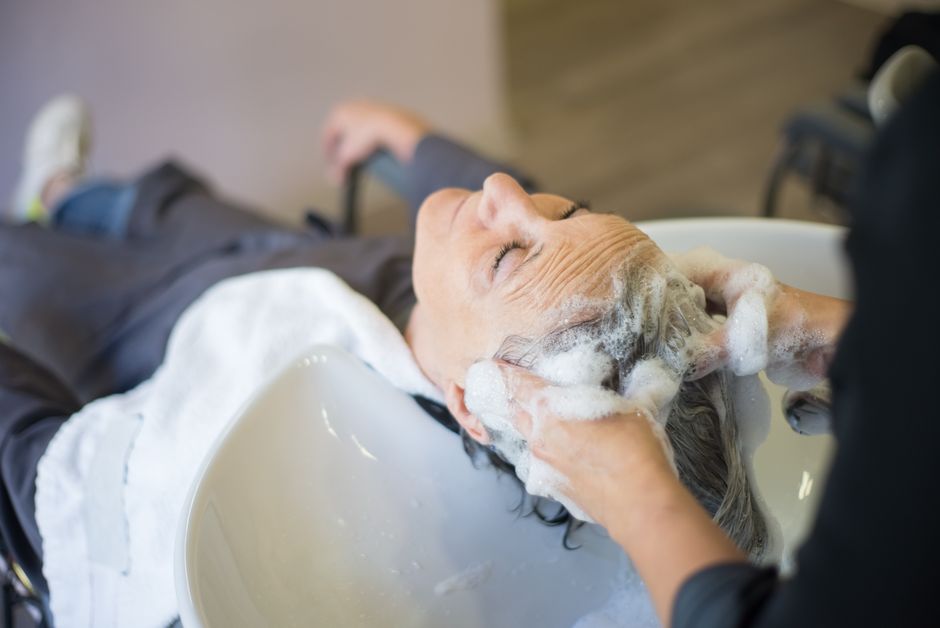
The “shampoo effect” is the term researchers use to describe how the first wash of hair removes the most dirt, oil, and product buildup, while subsequent washes remove progressively less. It is a core principle in hair science that explains why a single lather rarely cleans hair thoroughly and why the second wash produces a richer, more effective lather. Understanding this effect helps you wash your hair more efficiently without over-stripping it.
What Is The Shampoo Effect Hair Science Explained?
Surfactants are the cleaning molecules in shampoo. One end of the molecule attracts water, and the other end attracts oil and grease. When you apply shampoo, these molecules bind to the oils, dirt, and styling products on your hair and scalp.
On the first pass, the surfactants bind to the heaviest layer of buildup. Many of these molecules become “used up” as they trap that debris. The lather is often thin or sparse because the surfactants are busy working on the soil, not creating bubbles. The second application has far less oil to bind to, so more surfactants are free to create foam. That is why the second lather feels richer and thicker.
This is not a marketing trick. It is basic chemistry and physics. The cleansing power of a surfactant is finite. Once it is bound to oil and dirt, it can no longer bind to more. This is why most dermatologists and trichologists recommend a double cleanse for very oily hair or heavy product use.
Why Does the First Wash Feel Like It Does Not Lather?
Lather is not actually what cleans your hair. Lather is a byproduct of the surfactant interacting with air and water. When your hair is coated in sebum, the natural oil your scalp produces, the surfactant prefers to bind to that oil rather than create foam.
Think of it like washing a greasy pan. The first squirt of dish soap disappears into the grease and produces almost no suds. After you rinse, the second squirt lathers easily because the pan is mostly clean. Your hair behaves the same way.
Sebum production varies from person to person. Someone with a very oily scalp may need two washes every time. Someone with dry or chemically treated hair may find that one wash is plenty, and a second wash would strip too much moisture. There is no single rule that fits everyone.
Does the Shampoo Effect Mean You Should Always Wash Twice?
No. Washing twice is only necessary when the first wash cannot remove enough buildup. For most people with normal hair, a single thorough wash is sufficient.
Signs that you may need a second wash include:
- Your hair still feels greasy or heavy after rinsing.
- You use heavy styling products like gels, waxes, or oils daily.
- You live in a polluted urban area and your hair feels gritty by evening.
- Your scalp produces excess sebum within hours of washing.
For people with fine, thin, or color-treated hair, double washing can cause dryness and breakage. The second wash removes the natural oils that keep the hair shaft flexible and the scalp barrier healthy. If your hair feels squeaky clean after washing, that is often a sign you have stripped too much oil, not that you have done a better job.




How Does the Shampoo Effect Relate to Scalp Health?
The scalp is skin, and it has its own microbiome and moisture barrier. Overwashing disrupts that barrier. Underwashing allows sebum, dead skin cells, and product residue to accumulate, which can clog hair follicles and contribute to dandruff or itching.
The shampoo effect matters here because it determines how much oil is left behind after washing. A single wash removes most surface oil but may leave a thin film. A double wash removes nearly all oil, which is sometimes desirable and sometimes harmful.
Research consistently shows that the scalp produces more sebum in the hours after washing. This is called rebound sebum production. Some evidence suggests that over-washing triggers the scalp to produce more oil to compensate, creating a cycle where you feel you must wash more often. The evidence for this rebound effect is not conclusive in all populations, but it is a commonly observed clinical pattern.
Does Shampoo Type Change the Shampoo Effect?
Yes. The type and concentration of surfactants change how quickly the first wash becomes saturated. Sulfate-based shampoos, such as those containing sodium lauryl sulfate, are strong cleansers. They bind to oil quickly and can strip hair in a single wash. Sulfate-free shampoos use milder surfactants that are gentler but may require two washes to achieve the same level of cleanliness.
Clarifying shampoos are formulated with higher surfactant concentrations specifically to remove heavy buildup. Using one every day is not recommended for most hair types because it will dry out the hair and scalp.
Conditioners and hair masks work on a different principle. They deposit ingredients onto the hair shaft rather than removing them. The shampoo effect does not apply to conditioning products. In fact, the opposite happens: the more conditioner you use, the more buildup can accumulate over time, which is why occasional clarifying washes are useful.
What Is the Best Way to Wash Hair Based on This Science?
Wet your hair thoroughly before applying shampoo. Dry hair absorbs shampoo unevenly, which reduces the efficiency of the first wash. Dilute the shampoo in your palms first, then apply to the scalp, not the lengths. The scalp produces the oil; the lengths of your hair only need the runoff from the lather.
Massage with your fingertips, not your nails. This lifts oil and dead skin without scratching the scalp. Rinse thoroughly. If the hair still feels coated, a second wash with a smaller amount of shampoo is appropriate.
For most adults, washing two to three times per week is sufficient. People with very oily scalps or those who exercise heavily may need daily washing. People with curly, coily, or chemically treated hair often wash only once a week. These are general clinical patterns, not strict rules. Your hair’s response is the best guide.
Does the Shampoo Effect Apply to Co-Washing or Water-Only Washing?
Co-washing, or washing with conditioner only, does not produce the same surfactant effect because conditioners contain very low levels of mild cleansers. They remove some surface oil but leave most of the sebum intact. This is intentional for people with very dry or fragile hair.
Water-only washing removes only water-soluble debris. Sebum is not water-soluble, so it remains on the scalp. Over time, this can lead to buildup and odor. Some people report success with water-only washing, but no clinical trials have confirmed that it cleans the scalp as effectively as shampoo. The evidence here is largely anecdotal.
The shampoo effect specifically describes surfactant-based cleansing. It does not apply to methods that do not use surfactants.
Can the Shampoo Effect Damage Hair?
The effect itself does not damage hair. Damage comes from how you respond to it. Scrubbing harder, using hotter water, or adding more shampoo when the first wash does not lather can all cause mechanical and chemical stress.
Hot water opens the cuticle and increases oil removal, but it also increases moisture loss. Warm or lukewarm water is the standard clinical recommendation. Cold water closes the cuticle but does not clean better. The temperature of the water affects how much oil is removed, but it does not change the fundamental surfactant saturation point.
If you have fine hair, double washing can leave it limp and prone to breakage. If you have thick or coarse hair, a single wash may genuinely not be enough. Pay attention to how your hair feels after rinsing. If it feels coated and heavy, a second wash is reasonable. If it feels dry and rough, stop at one.
Frequently Asked Questions
Why does my hair only lather on the second wash?
The first wash uses most of the shampoo’s surfactants to bind to oil and dirt, leaving fewer molecules available to create foam. The second wash has less oil to remove, so more surfactants produce a richer lather.
Is it bad to wash your hair twice?
No, but it is not necessary for everyone. Double washing is only recommended for very oily hair or heavy product buildup, and it can dry out fine or color-treated hair.
How often should I wash my hair?
Most adults do well washing two to three times per week, but this varies widely by hair type and activity level. Wash more often if your scalp is oily, less often if your hair is dry or chemically treated.
Does the shampoo effect mean I need a stronger shampoo?
Not necessarily. A stronger shampoo can strip too much oil and cause rebound oiliness. A second wash with your current shampoo is usually more effective than switching to a harsher formula.
