
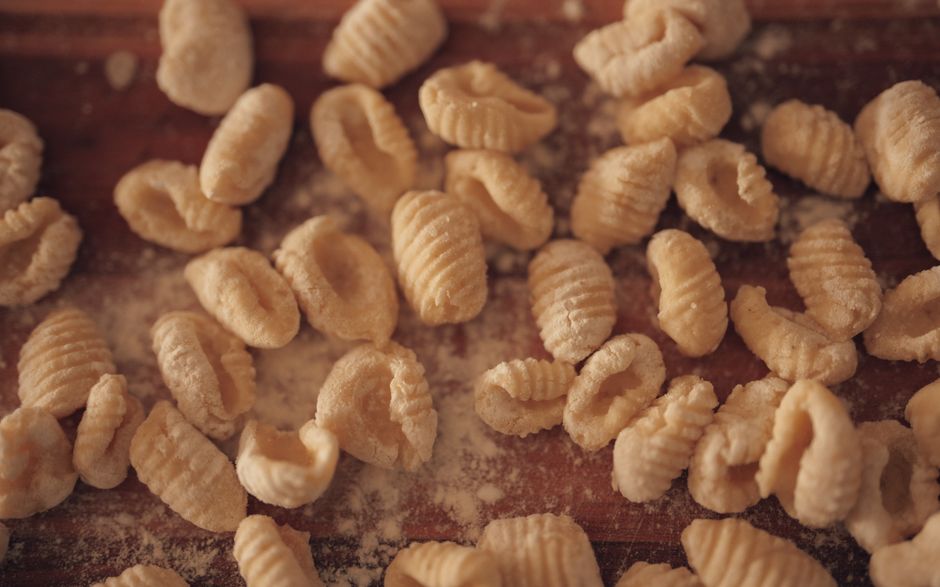
Semolina flour is a coarse flour made from durum wheat, a hard variety of wheat. It is most famous as the main ingredient in dried pasta, but it is also used in couscous, breads, and some desserts. The word “semolina” comes from the Italian word for bran, and it describes the large, golden particles that result from milling durum wheat.
What Is The Semolina Flour Made From?
Semolina comes from durum wheat, which is the hardest type of wheat grown. When milled, the wheat kernel is broken into coarse pieces rather than a fine powder. These golden-yellow granules are the semolina. The yellow color comes from natural pigments called carotenoids, which are also found in carrots.
Durum wheat is different from the common wheat used to make most bread flour and all-purpose flour. Common wheat is soft and produces a fine, powdery flour. Durum wheat is hard and produces a gritty, sand-like texture. This texture is exactly what makes semolina ideal for pasta — it holds its shape well during cooking.
How Is Semolina Different From Regular Flour?
The main differences are texture, protein content, and how the flour behaves in recipes.
Regular all-purpose flour is milled to a fine powder. Semolina is milled to a coarse grain, similar to cornmeal in texture. This affects how the flour absorbs water. Semolina absorbs less water than regular flour, which is why pasta dough made from semolina is stiff and firm.
Protein content matters too. Durum wheat has high protein, typically around 12-15 percent. This high protein creates strong gluten, which gives pasta its firm, chewy texture. Regular flour has less protein, around 10-12 percent, which produces softer baked goods.
Semolina is not a substitute for regular flour in most recipes. If you use it in a cake, you will get a dense, gritty result. It is a specialty flour for specific uses.
What Are the Different Types of Semolina?
There are two main types of semolina you will see in stores: regular semolina and semola rimacinata.
Regular semolina is the coarse, sandy flour used for making pasta and couscous. It is also used to dust baking pans and pizza stones to prevent sticking.
Semola rimacinata is a finely ground version of semolina. The name means “re-milled semolina” in Italian. It is much finer and softer than regular semolina. It is the preferred flour for fresh pasta, especially in southern Italy. It produces a smoother dough that is easier to roll thin.
There is also a product called “semolina flour” that is sometimes confused with the real thing. Some brands sell a fine flour labeled as semolina that is actually just durum wheat flour. It has the same protein content but a much finer texture. Check the label for the word “coarse” if you need the traditional gritty semolina.





What Is Semolina Flour Used For?
Semolina is a versatile ingredient with several distinct uses.
Pasta is the most common use. Dried pasta made from semolina and water is the standard in Italy. The high protein and coarse texture create a pasta that stays firm and holds sauce well. Fresh pasta can be made from semolina, but it is often mixed with regular flour or eggs to soften the dough.
Couscous is made from semolina that has been moistened and rolled into tiny balls. It is a staple in North African cuisine.
Bread made with semolina has a distinctive golden color and a slightly crunchy texture. It is common in the Mediterranean region.
Desserts use semolina in different ways. In India, semolina is used to make a sweet pudding called halwa. In the Middle East, it is used in a cake called basbousa. In Italy, it is used in a baked pudding called budino di semolino.
Dusting is a practical use. The coarse flour prevents dough from sticking to surfaces without being absorbed into the dough the way fine flour would.
Is Semolina Flour Healthy?
Semolina is a nutritious grain product, but it is not a whole grain. The bran and germ are removed during milling, leaving mostly the endosperm. This means it has less fiber than whole wheat flour.
Semolina is a good source of protein, providing around 7 grams per quarter-cup serving. It also contains B vitamins, particularly folate, which is important for cell division and fetal development. It provides minerals like iron and magnesium.
Because it is a refined grain, semolina has a higher glycemic index than whole grains. This means it can raise blood sugar more quickly. People with diabetes or insulin resistance should be mindful of portion sizes.
Semolina is not gluten-free. It contains gluten, so it is not safe for people with celiac disease or gluten sensitivity.
How Do You Cook With Semolina Flour?
Cooking with semolina depends on what you are making. The techniques are different for pasta, baking, and cooking as a grain.
For pasta, the basic ratio is about 1 cup of semolina to 1/3 cup of water. Mix until a stiff dough forms, then knead for about 10 minutes. Let the dough rest before rolling and cutting. The dough will be firmer than regular pasta dough, which is normal.
For baking, semolina can be added to bread recipes to give structure and a golden color. It is often combined with bread flour rather than used alone. Some bakers use it to dust loaf pans or baking stones.
For a simple side dish, semolina can be cooked like polenta. Boil water or broth, then whisk in the semolina slowly. Cook for a few minutes until it thickens. It can be served soft like porridge or spread on a tray to cool and then cut into slices.
Where Can You Buy Semolina Flour?
Semolina is widely available. Most major grocery stores carry it in the baking aisle. It is usually sold in bags near the other flours.
Italian specialty stores and international markets often carry a wider selection, including semola rimacinata. Online retailers also sell it, and it is usually easy to find in bulk.
When buying semolina, check the label for the source. If it says “durum wheat semolina,” that is the traditional product. If it says “enriched semolina,” it has had vitamins and minerals added. Both are fine, but enriched versions have more nutrients.
How Should You Store Semolina Flour?
Semolina has a longer shelf life than many other flours because it is a refined grain with low moisture content. Store it in an airtight container in a cool, dry place. It will keep for several months at room temperature.
For longer storage, keep it in the refrigerator or freezer. This prevents the natural oils in the wheat from going rancid. In the fridge, it will keep for about six months. In the freezer, it can last up to a year.
Check semolina before use. It should have a pleasant, nutty smell. If it smells sour or musty, discard it. If you see any signs of moisture or mold, throw it away.
Frequently Asked Questions
Is semolina flour the same as all-purpose flour?
No, they are different. Semolina is coarse and made from durum wheat, while all-purpose flour is fine and made from softer wheat.
Is semolina flour gluten-free?
No, semolina contains gluten and is not safe for people with celiac disease.
Can I substitute semolina for regular flour in recipes?
Not directly. The coarse texture and high protein change the outcome, so it is best to use recipes designed for semolina.
What does semolina taste like?
It has a mild, nutty flavor that is slightly sweet and more pronounced than regular flour.
