
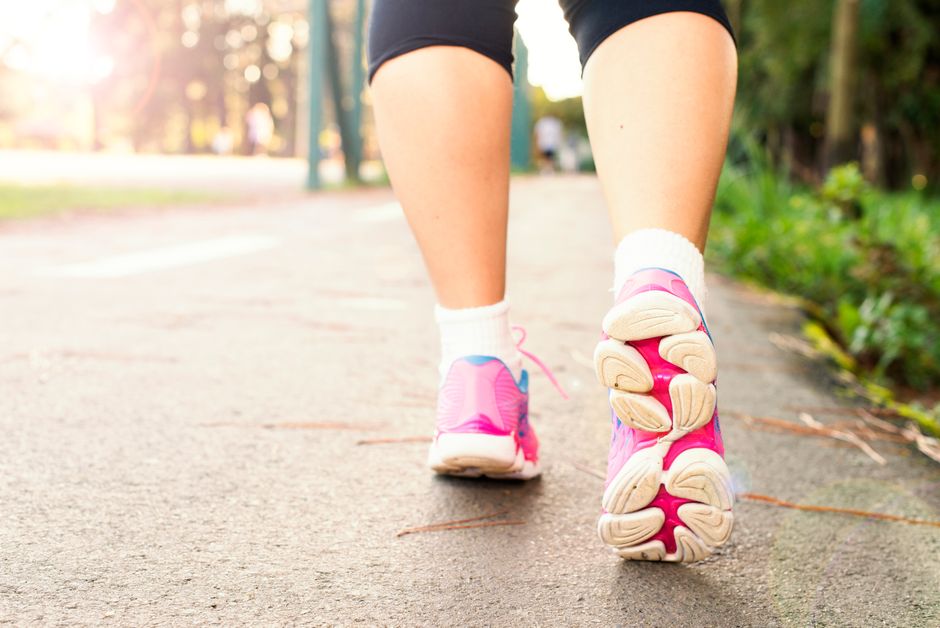
Tai chi walking is a slow, deliberate way of walking that borrows the body mechanics of tai chi and applies them to ordinary steps. Instead of moving at a normal pace, you shift your weight fully onto one leg before lifting the other, place each foot down with control, and keep your posture upright and relaxed. It is sometimes called mindful walking or tai chi stepping, and it can be done almost anywhere without equipment.
The practice comes from tai chi, a Chinese movement system that combines slow motion, deep breathing, and focused attention. Tai chi walking strips that down to the most basic human movement: putting one foot in front of the other. That simplicity is why it has drawn interest from researchers studying balance and fall prevention, especially in older adults.
What Is Tai Chi Walking and How Does It Differ From Normal Walking?
Normal walking is largely automatic. Your body swings a leg forward, catches itself, and shifts weight with little conscious thought. Tai chi walking interrupts that autopilot. You move slowly enough that your brain has to pay attention to every part of the step.
The key mechanical difference is weight transfer. In tai chi walking, you do not lift a foot until your weight is fully settled over the standing leg. That means the moving leg is unweighted and free, and the standing leg is doing all the support work. In ordinary walking, there is a brief moment where weight is split or shifting quickly between legs. Slowing down and completing the transfer first is the whole point.
Other differences are easy to spot:
- Pace is much slower, often a fraction of normal walking speed.
- Steps are deliberate, with the heel or ball of the foot placed consciously.
- Posture stays tall, with the head up and shoulders relaxed.
- Breathing is usually coordinated with the movement, though styles vary.
- Attention stays on the body and the sensation of each step.
One clarification worth making: tai chi walking is not a formal tai chi form. Traditional tai chi includes sequences of named postures practiced in a set order. Walking practice is a component and a training drill, not the full art. Many teachers use it as a warm-up or a way to build the body awareness that the longer forms require.
What Happens in Your Body During Tai Chi Walking?
The slow pace changes how your muscles and nervous system work. When you move slowly and deliberately, you recruit more postural muscles to hold you steady. The muscles along your spine, hips, and ankles stay active through the whole step rather than firing briefly.
Balance is the most studied aspect. Keeping your weight over one leg for a longer period challenges your postural control systems. Your body relies on three main inputs for balance: vision, the inner ear, and sensors in your muscles and joints that report position. Slow, controlled movement gives all three systems more time to process and adjust. That is the reasoning behind using this kind of practice in balance training.
The mental component matters too. Paying close attention to movement is a form of focused attention training. Some research suggests that movement practices combining physical control with mental focus may engage attention networks, though the evidence for specific cognitive benefits is not settled.
What Does the Research Say About Tai Chi Walking and Balance?
The strongest evidence in this area is for tai chi as a whole, not tai chi walking specifically. Research on tai chi for balance and fall prevention is substantial. Multiple studies and systematic reviews have found that regular tai chi practice can improve balance and reduce fall risk in older adults. Some health organizations that work on aging and fall prevention have pointed to tai chi as an evidence-supported option.
Tai chi walking on its own has been studied far less. It is usually included as one element within a broader tai chi program rather than tested as a standalone intervention. That distinction matters. It would be inaccurate to say tai chi walking alone has been proven to prevent falls. The honest position is that it is a reasonable component of balance training, and the wider practice it comes from has meaningful supporting evidence.
There is also a practical point that gets overlooked. Walking slowly and deliberately is harder than it looks. It demands more balance control than normal walking, not less. For someone with significant balance problems, that added challenge needs supervision. A physical therapist or qualified instructor can judge whether the pace is appropriate.




How Do You Practice Tai Chi Walking?
Beginners can start with a few basic principles. The goal is smooth, controlled movement, not speed or distance.
Stand tall first. Before walking, stand still with feet about hip-width apart. Let your shoulders drop and your arms hang naturally. Feel your weight settle evenly.
Shift before you step. Slowly move your weight onto one leg. Only when you feel fully supported on that leg do you lift the other foot. Place it down heel first, then roll through the foot.
Keep steps small. Short steps give you more control. Many people instinctively overreach, which defeats the purpose.
Move slowly and smoothly. Aim for continuous motion with no jerking or rushing. If you feel unsteady, slow down further or shorten your steps.
Breathe naturally. Some teachers coordinate breath with steps, but natural breathing is fine for beginners. Holding your breath works against relaxation.
A short session of a few minutes is a reasonable starting point. There is no official recommended duration for tai chi walking, and no clinical guidelines set a standard dose. Practicing on a flat, clear surface away from obstacles is sensible, and having something sturdy nearby to touch if needed is a simple safety step.
Who Might Benefit and Who Should Be Cautious?
Tai chi walking is generally low-impact and does not require special equipment. That makes it accessible to many people, including those who find running or fast walking uncomfortable.
People who may find it useful include older adults working on balance, people recovering from minor injuries who want gentle movement, and anyone looking for a calm, attention-focused form of exercise. It can also serve as a moving meditation for people who find sitting still difficult.
Caution is warranted in specific situations. Anyone with a recent fall, significant dizziness, neuropathy in the feet, or a diagnosed balance disorder should talk with a clinician before starting. The same applies to people recovering from hip, knee, or ankle surgery. Slow walking still loads the joints and challenges stability, and it is not risk-free for everyone.
No clinical guidelines exist for tai chi walking during pregnancy or for young children. Anyone in those groups should rely on guidance from their own healthcare provider rather than general advice.
Is Tai Chi Walking the Same as Mindful Walking?
They overlap but are not identical. Mindful walking is a broad term for walking with focused attention, and it appears in several traditions, including Buddhist practice and modern mindfulness programs. Tai chi walking adds specific body mechanics: the full weight shift, the deliberate foot placement, and the upright, relaxed posture drawn from tai chi.
You could describe tai chi walking as mindful walking with a particular physical technique attached. The attention element is shared. The mechanics are what make it distinct.
This is also where marketing language tends to creep in. Some sources present tai chi walking as a solution for stress, sleep, blood pressure, and more. The evidence for those specific claims tied to this exact practice is thin. What is well supported is that regular physical activity of almost any kind supports health, and that tai chi as a broader practice has been studied for several conditions. Attributing those benefits to tai chi walking alone goes beyond what research shows.
Frequently Asked Questions
What is tai chi walking?
Tai chi walking is a slow, controlled walking practice that uses tai chi body mechanics, including a full weight shift onto one leg before the other moves. It emphasizes posture, balance, and focused attention rather than speed.
Is tai chi walking good for balance?
It is a reasonable balance-training activity, and the broader practice of tai chi has good evidence for improving balance and reducing fall risk in older adults. Tai chi walking on its own has not been tested as a standalone fall-prevention method.
How long should you do tai chi walking?
No clinical guidelines set a standard duration, so starting with a few minutes and building gradually is sensible. Stop if you feel unsteady or dizzy.
Can beginners learn tai chi walking on their own?
Yes, the basic principles are simple enough to practice alone on a flat, clear surface. Anyone with balance problems, recent falls, or joint surgery should check with a clinician or work with a qualified instructor first.
