
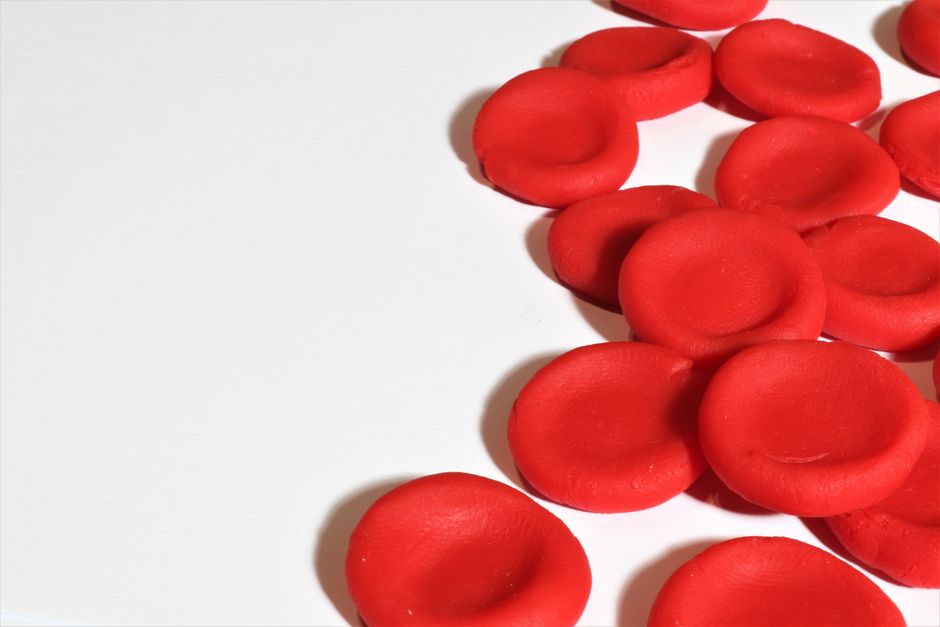
Red blood cells are the most common type of blood cell in your body, and their main job is to carry oxygen from your lungs to every tissue and organ. They also pick up carbon dioxide from the tissues and carry it back to the lungs so you can breathe it out. Without red blood cells, your organs would not get the oxygen they need to function, and life would not be possible.
What Is The Role Of The Red Blood Cells in Oxygen Transport?
The primary role of red blood cells is oxygen transport. This happens through a protein inside the cells called hemoglobin. Hemoglobin contains iron, and it is this iron that actually binds to oxygen molecules in the lungs.
When you inhale, oxygen moves from the air sacs in your lungs into the blood. It attaches to hemoglobin in the red blood cells. The blood then travels through arteries to the rest of the body. When the red blood cells reach tissues that are low in oxygen, the hemoglobin releases the oxygen. The tissues use that oxygen to produce energy.
This process is efficient because red blood cells are shaped like flexible discs. This shape gives them a large surface area for oxygen to enter and exit. It also allows them to squeeze through the smallest blood vessels in the body, called capillaries.
How Do Red Blood Cells Remove Carbon Dioxide?
Oxygen transport is only half of the story. Red blood cells also handle the removal of carbon dioxide, a waste product of cellular activity.
After tissues use oxygen, they produce carbon dioxide. This carbon dioxide enters the red blood cells. Inside the cell, an enzyme called carbonic anhydrase helps convert carbon dioxide into a different form, mostly bicarbonate. This bicarbonate travels in the plasma to the lungs.
When the blood reaches the lungs, the process reverses. The bicarbonate converts back into carbon dioxide, which is released from the red blood cells and exhaled. A small amount of carbon dioxide also binds directly to hemoglobin for transport. This dual role means red blood cells manage both the supply of oxygen and the removal of a major waste product.
What Happens When Red Blood Cell Count Is Low?
A low red blood cell count is called anemia. When you have anemia, your blood cannot carry enough oxygen to your tissues. This leads to a range of symptoms that develop because organs are working with less oxygen than they need.
Common symptoms include fatigue, weakness, pale skin, shortness of breath, and dizziness. Your heart may also beat faster than normal because it is trying to circulate the available oxygen more quickly. Some people feel cold, especially in their hands and feet.
Anemia has many causes. It can result from blood loss, such as from heavy menstrual periods or internal bleeding. It can also happen if the body does not produce enough red blood cells. This can occur with iron deficiency, vitamin B12 deficiency, or bone marrow problems. In other cases, red blood cells are destroyed faster than the body can replace them, a condition called hemolytic anemia.





What Happens When Red Blood Cell Count Is High?
A high red blood cell count is less common than anemia but still significant. This condition is called polycythemia. When you have too many red blood cells, the blood becomes thicker than normal.
Thick blood flows more slowly and has a higher risk of forming clots. These clots can block blood flow in veins or arteries, which may lead to a heart attack, stroke, or pulmonary embolism. Symptoms of high red blood cell count can include headaches, dizziness, blurred vision, and an itchy feeling after a warm shower.
High red blood cell counts can happen for several reasons. Some people have a bone marrow disorder that produces too many cells, called polycythemia vera. Others have a high count as a normal response to living at high altitude, where oxygen is thinner. Smoking and certain lung or heart conditions can also cause the body to produce more red blood cells to compensate for low oxygen levels.
What Is the Life Cycle of a Red Blood Cell?
Red blood cells do not live forever. A typical red blood cell lives about 120 days. After that, it becomes worn out and is removed from circulation.
The spleen, liver, and bone marrow work together to remove old red blood cells. The spleen filters the blood and destroys the old cells. The iron from the hemoglobin is recycled and sent back to the bone marrow. The bone marrow uses that iron to build new red blood cells.
Your body produces about 2 million new red blood cells every second to replace the ones that die. This production is controlled by a hormone called erythropoietin, which is made by the kidneys. When oxygen levels in the blood drop, the kidneys release more erythropoietin, which signals the bone marrow to make more red blood cells.
What Nutrients Support Healthy Red Blood Cells?
Several nutrients are essential for making healthy red blood cells. Without them, the body cannot produce enough hemoglobin or enough cells.
Iron is the most critical nutrient. It is the core of the hemoglobin molecule and is required to bind oxygen. Good sources of iron include red meat, poultry, fish, beans, lentils, and fortified cereals.
Vitamin B12 and folate are also required. These vitamins are needed for the production of DNA, which is necessary for new cells to divide and mature. A lack of either vitamin leads to red blood cells that are larger than normal and unable to carry oxygen effectively. B12 is found in animal products like meat, eggs, and dairy. Folate is found in leafy green vegetables, beans, and citrus fruits.
Vitamin C helps the body absorb iron from plant-based foods. Eating foods rich in vitamin C, like oranges, strawberries, or bell peppers, alongside iron-rich plant foods can improve iron absorption.
Can Red Blood Cell Health Be Improved?
For most healthy people, a balanced diet provides everything needed for normal red blood cell production. There is no need for special supplements unless a doctor has identified a deficiency.
If a blood test shows you are low in iron, B12, or folate, your doctor may recommend a supplement. The dose will depend on your specific blood test results. Taking iron supplements without a known deficiency is not recommended, because excess iron can build up in the body and cause organ damage.
Staying hydrated also supports blood volume, which helps circulation. Regular exercise stimulates the body to produce more red blood cells over time because active muscles need more oxygen. However, exercise cannot fix anemia caused by a nutrient deficiency or an underlying medical condition.
If you have persistent fatigue or other symptoms of anemia, see a doctor. A simple blood test called a complete blood count can measure your red blood cell levels and hemoglobin. This test tells you whether your red blood cells are in a healthy range or whether further investigation is needed.
Frequently Asked Questions
What is the main function of red blood cells?
The main function is to carry oxygen from the lungs to all tissues in the body. They also transport carbon dioxide back to the lungs for removal.
What is a normal red blood cell count?
A normal range is roughly 4.5 to 5.5 million cells per microliter for men and 4.0 to 5.0 million for women. Normal ranges can vary slightly between labs.
Can dehydration affect red blood cell count?
Yes, dehydration can make the red blood cell count appear higher because the plasma volume drops, concentrating the cells. This is a temporary effect that corrects when fluids are restored.
How long do red blood cells live?
A red blood cell lives about 120 days. The body continuously replaces old cells with new ones produced in the bone marrow.
