
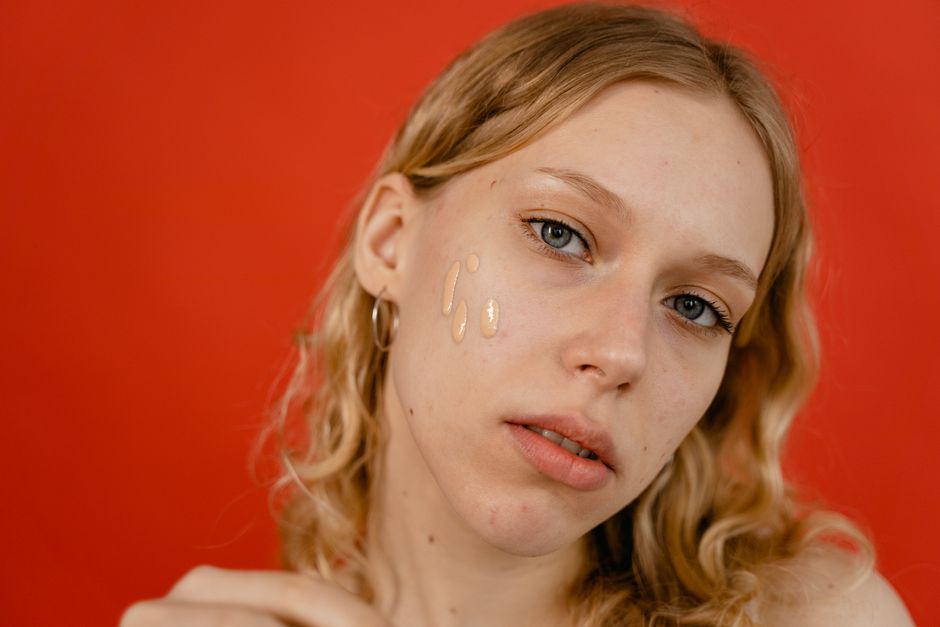
Rosacea is a chronic inflammatory skin condition that most often affects the face, causing redness, flushing, and visible blood vessels. Dryness, tightness, and a rough or scaly texture are common complaints among people with rosacea, even though the condition is not a dry skin disorder in the way eczema or ordinary winter dryness is. The relationship is real but indirect: rosacea damages the skin’s barrier function, which allows moisture to escape and irritants to enter. Understanding that link matters, because treating rosacea-related dryness the same way you would treat ordinary dry skin can backfire.
What Is Rosacea and How Does It Affect the Skin?
Rosacea is a long-term inflammatory condition that primarily affects the central face — the cheeks, nose, chin, and forehead. It typically appears after age 30 and is more common in people with lighter skin tones, though it occurs in all skin types and is often under-recognized in darker skin, where redness may be harder to see.
Dermatologists generally classify rosacea into subtypes based on the dominant features:
- Erythematotelangiectatic rosacea — persistent redness and flushing, with visible blood vessels
- Papulopustular rosacea — redness with acne-like bumps and pus-filled spots, but no blackheads
- Phymatous rosacea — skin thickening and enlargement, most often affecting the nose
- Ocular rosacea — irritation, redness, and a gritty feeling in the eyes
These categories overlap, and many people have features of more than one. The underlying process involves abnormal blood vessel behavior, an overactive immune response in the skin, and — in many cases — an imbalance in the skin’s microbiome. A mite called Demodex that lives in hair follicles is found in higher numbers on rosacea-affected skin, though whether it drives the condition or simply thrives because of it is still debated.
Does Rosacea Cause Dry Skin Symptoms And Care?
Yes, rosacea commonly causes dry skin symptoms, but the mechanism is not the same as in conditions like eczema. The connection runs through the skin barrier.
The outermost layer of skin, the stratum corneum, works as a brick-and-mortar wall. Skin cells are the bricks, and lipids — ceramides, cholesterol, and fatty acids — are the mortar. This layer holds water in and keeps irritants out. In rosacea, research indicates this barrier is often compromised. The skin loses water more quickly than normal, a measurement clinicians call transepidermal water loss. When that happens, skin feels tight, rough, and dry, and it becomes more reactive to products and temperature changes.
This creates a frustrating loop. A weakened barrier lets irritants in, which triggers inflammation, which further weakens the barrier. That is why many people with rosacea find their skin is both oily and dry at the same time, or reacts to products that never bothered them before.
It is worth being precise here: dryness is not a defining diagnostic feature of rosacea the way redness is. Some people with rosacea have normal or even oily skin. But barrier impairment is well documented, and dry, sensitive, reactive skin is a frequent experience. If your main problem is scaly, itchy patches rather than facial redness, another condition may be at play.
What Dry Skin Symptoms Are Common With Rosacea?
The dryness that accompanies rosacea tends to look and feel different from ordinary dry skin. It often comes with sensitivity and reactivity rather than simple flakiness.
Common complaints include:
- A tight, stretched feeling, especially after washing the face
- Rough or uneven texture
- Flaking or scaling, sometimes in patches
- Stinging or burning when applying products
- Skin that reddens easily from touch, heat, or skincare
- Visible fine lines from dehydration rather than aging
The stinging and burning are telling. Ordinary dry skin rarely stings. When skin stings on contact with water or a mild moisturizer, that points to a barrier problem and often to underlying inflammation.
One detail people often miss: rosacea skin can be dehydrated without being dry in the dermatological sense. Dehydration refers to low water content; dryness refers to low oil production. Rosacea skin can produce plenty of oil and still lack water, which is why heavy, occlusive creams sometimes cause breakouts while lighter hydrating layers work better.




Why Does Rosacea Weaken the Skin Barrier?
Several factors converge to break down the skin’s protective layer in rosacea.
Inflammation itself is damaging. Chronic inflammatory signals in the skin interfere with the normal production and organization of barrier lipids. When ceramide levels drop, the mortar between skin cells weakens.
Blood vessel instability plays a role too. Rosacea involves blood vessels that dilate too easily and stay dilated. This changes blood flow and can contribute to the persistent redness and to fluid shifts in the skin.
The skin microbiome is another piece. People with rosacea often have different proportions of skin bacteria than people without it, and this shift can promote inflammation. Whether it is a cause or a consequence remains an open question in the research.
Finally, the treatments themselves can contribute. Some acne and rosacea medications dry the skin as a side effect. So can over-washing, harsh cleansers, and alcohol-based products. It is common for people to make their barrier worse while trying to fix their rosacea.
How Should You Care for Dry, Rosacea-Prone Skin?
The goal is to support the barrier while avoiding things that trigger flushing and inflammation. Simplicity usually beats complexity.
Cleanse gently. Use lukewarm water and a mild, fragrance-free cleanser. Hot water strips lipids and triggers flushing. Limit cleansing to twice a day at most, and skip it in the morning if your skin tolerates that.
Moisturize with barrier-supporting ingredients. Look for ceramides, glycerin, hyaluronic acid, niacinamide, and dimethicone. These help hold water in and rebuild the lipid barrier. Apply to slightly damp skin to trap moisture.
Avoid known irritants. Fragrance, alcohol, menthol, eucalyptus, witch hazel, and physical scrubs are common triggers. So are astringents and toners with high alcohol content.
Test new products carefully. Introduce one product at a time and patch test on a small area first. Rosacea skin often reacts to products that are fine for other skin types.
Protect from the sun. Sun exposure is one of the most commonly reported rosacea triggers. A broad-spectrum sunscreen with an SPF of 30 or higher is a standard recommendation, and mineral formulas containing zinc oxide or titanium dioxide are often better tolerated by reactive skin.
Watch temperature extremes. Heat, cold, and sudden shifts can all provoke flushing. Wind and dry indoor air pull moisture from the skin.
On prescription treatment: dermatologists may prescribe topical metronidazole, azelaic acid, ivermectin, or other agents, and sometimes oral antibiotics or other medications for moderate to severe cases. These target the inflammatory component. They do not directly repair dryness, so barrier care usually continues alongside them. Which treatment fits a given person depends on the subtype and severity, and that is a decision for a clinician.
What Triggers Rosacea Flare-Ups and Dryness?
Triggers vary from person to person, but some patterns are widely reported. Keeping a simple diary of flares and what preceded them is one of the more useful things you can do, because individual triggers are often specific and consistent.
Commonly reported triggers include:
- Sun exposure and hot weather
- Spicy foods and hot beverages
- Alcohol, particularly red wine
- Emotional stress
- Strenuous exercise and overheating
- Harsh skincare products and over-washing
- Very cold or windy weather
Notice that several of these affect dryness as well as redness. Hot drinks and spicy food cause flushing; dry air and wind strip moisture. Managing both means addressing temperature, products, and environment together rather than chasing one symptom.
When Should You See a Dermatologist?
See a dermatologist if you have persistent facial redness you cannot explain, if bumps or pus-filled spots develop, if your skin stings or burns regularly, or if over-the-counter products are not helping. Rosacea can be mistaken for acne, eczema, seborrheic dermatitis, or a sensitivity reaction, and the treatments differ.
Seek care promptly if you notice eye symptoms — redness, burning, a gritty sensation, or blurred vision — because ocular rosacea can affect the eyes and, in some cases, vision if untreated. Also see a clinician if skin thickening develops, particularly on the nose.
There is no cure for rosacea, and it tends to fluctuate over time. The realistic goal of treatment is control: fewer flares, less redness, a calmer barrier, and skin that is more comfortable day to day. Many people achieve meaningful improvement with consistent, gentle care and appropriate medical treatment.
Frequently Asked Questions
Does rosacea cause dry skin?
Rosacea commonly causes dry, tight, and sensitive skin because it weakens the skin’s barrier, allowing moisture to escape. Dryness is not a defining diagnostic feature, and some people with rosacea have normal or oily skin.
What is the best moisturizer for rosacea with dry skin?
Fragrance-free moisturizers with ceramides, glycerin, or niacinamide are generally well tolerated and help support the barrier. There is no single product proven best for everyone, so patch testing new products is sensible.
Can dry skin make rosacea worse?
A weakened barrier lets irritants in and can trigger more inflammation, which may worsen redness and reactivity. Supporting the barrier with gentle cleansing and moisturizing is a standard part of rosacea care.
Is rosacea the same as eczema?
No. Rosacea is an inflammatory condition causing facial redness and flushing, while eczema is a separate condition marked by itchy, scaly patches. They can look similar at times, which is why a dermatologist’s evaluation matters.
