
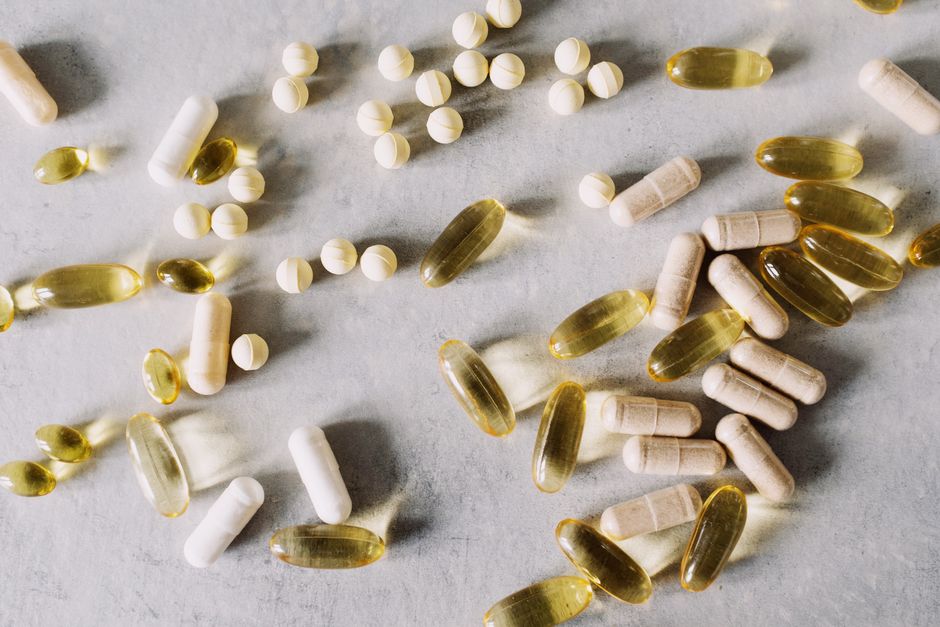
Probiotics are live microorganisms that, when taken in adequate amounts, can offer health benefits. Their main purpose for your gut is to help maintain a balanced community of bacteria in your digestive tract. This balance supports digestion, nutrient absorption, and a healthy immune response. While your body already hosts trillions of microbes, probiotics can help reinforce the beneficial types, especially after disruptions like illness or antibiotic use.
What Is The Purpose Of Probiotics For Your Gut?
The purpose of probiotics for your gut is to support a healthy balance of microorganisms living in your digestive system. Your gut contains hundreds of species of bacteria, both beneficial and potentially harmful. In a healthy state, these microbes work together to digest food, produce certain vitamins, and protect the intestinal lining.
When this balance shifts — a condition called dysbiosis — digestive issues can arise. Probiotics work by introducing live beneficial bacteria that can temporarily colonize the gut. They compete with harmful bacteria for space and nutrients, and they produce substances that create an environment where unhealthy microbes struggle to survive.
Probiotics are not a cure-all. They do not permanently change your gut microbiome. Most strains pass through your system within days or weeks. Their benefits come from the effects they have while they are present.
How Do Probiotics Actually Work?
Probiotics work through several distinct mechanisms. The most studied pathways involve competition, barrier support, and immune signaling.
The first mechanism is simple competition. Beneficial bacteria attach to the intestinal lining and occupy space that harmful bacteria would otherwise use. They also consume nutrients that pathogens need to thrive. This crowding effect reduces the ability of harmful microbes to establish themselves.
The second mechanism involves the intestinal barrier. Your gut lining is a single layer of cells that separates your digestive tract from your bloodstream. Certain probiotic strains strengthen the junctions between these cells. A tighter barrier means fewer toxins and undigested particles can pass through into your body.
The third mechanism is immune modulation. Gut bacteria communicate with immune cells located throughout the digestive tract. Some probiotic strains stimulate the production of antibodies and support the activity of immune cells that patrol the intestinal lining. This does not mean probiotics “boost” immunity in a general sense. The effect is more targeted and subtle.
Different strains do different things. Lactobacillus species are among the most studied for digestion and lactose tolerance. Bifidobacterium species are often associated with bowel regularity. Saccharomyces boulardii is a yeast, not a bacterium, and is frequently studied for its role in preventing antibiotic-associated diarrhea. Each strain has its own properties, and benefits do not automatically transfer from one strain to another.
What Can Probiotics Actually Do For You?
Research supports specific uses for probiotics. The strongest evidence involves antibiotic-associated diarrhea. Antibiotics kill both harmful and beneficial bacteria, and this disruption often causes loose stools. Some research indicates that certain probiotic strains can reduce the risk of this side effect when taken alongside antibiotics.
Probiotics also have evidence behind them for certain digestive conditions. Studies have examined their role in irritable bowel syndrome (IBS), with some patients reporting reduced bloating and improved bowel regularity. The evidence is not uniform across all strains, and results vary from person to person.
Traveler’s diarrhea is another area of study. Some research suggests that probiotics may reduce the risk of diarrhea when traveling to regions with different food and water microbiomes. Again, the effect depends on the specific strain and the destination.
Here is what probiotics do not do. They do not cure serious digestive diseases. They do not replace medical treatment for conditions like inflammatory bowel disease, celiac disease, or colorectal cancer. They do not “cleanse” your colon or remove toxins — that concept has no basis in physiology. Your liver and kidneys handle detoxification, not bacteria.
Some research suggests that certain strains may help with lactose digestion, eczema prevention in infants, and reducing the duration of some respiratory infections. These areas have promising but not conclusive evidence.




What Happens To Your Gut Without Probiotics?
Your gut does not require supplemental probiotics to function. A healthy person eating a varied diet with plenty of fiber can maintain a diverse microbiome without ever taking a probiotic supplement.
The gut microbiome naturally maintains itself through diet and normal bodily processes. Fiber is the primary food source for beneficial bacteria. When you eat fruits, vegetables, legumes, and whole grains, you are feeding the good bacteria in your colon. These bacteria ferment the fiber and produce short-chain fatty acids, which nourish the cells lining your colon and support overall gut health.
Probiotics become relevant when this natural balance is disturbed. Antibiotic use is the most common disruption. A course of antibiotics can reduce bacterial diversity for weeks or months. Fermented foods and probiotic supplements are one strategy to help restore balance during and after antibiotic treatment.
Other disruptions include severe digestive infections, major dietary changes, and chronic stress. In these situations, the gut microbiome can become less diverse, and symptoms like bloating, irregular bowel movements, or discomfort may appear. Probiotics are one tool that some people find helpful during recovery.
Food Sources vs. Supplements
Probiotics are available in two forms: fermented foods and dietary supplements. Both can deliver live bacteria, but they are not identical.
Fermented foods like yogurt, kefir, sauerkraut, kimchi, and kombucha naturally contain live bacteria. Yogurt with live active cultures is the most accessible source for most people. Kefir is a fermented milk drink that typically contains a wider variety of bacterial strains than yogurt. Fermented vegetables like sauerkraut and kimchi contain lactic acid bacteria, provided they have not been pasteurized after fermentation — pasteurization kills the live bacteria.
Supplements offer more controlled doses. They specify the strain, the number of colony-forming units (CFUs), and often include multiple strains in one product. The CFU count on a label represents the number of live microorganisms at the time of manufacture, not necessarily at the time of consumption. Storage conditions and shelf life affect viability.
There is no established daily dose for probiotics. Unlike vitamins and minerals, which have recommended daily allowances, probiotics have no official intake recommendation. Clinical trials use various doses, typically ranging from 1 billion to 100 billion CFUs per day, but no universal standard exists.
Who Should Be Careful With Probiotics?
Most healthy adults can take probiotics without issues. Mild gas and bloating are the most common side effects, and these usually resolve within a few days as your gut adjusts.
However, probiotics are not risk-free for everyone. People with severely compromised immune systems — such as those undergoing chemotherapy, organ transplant recipients, or people with advanced HIV — should not take probiotics without medical supervision. Live bacteria can cause infections in people with weakened immune defenses.
People with central venous catheters should also exercise caution. There are rare case reports of probiotic bacteria causing bloodstream infections in hospitalized patients with these devices. The risk is very low for healthy individuals, but it is not zero for vulnerable populations.
If you have a serious medical condition or are immunocompromised, talk to your doctor before starting a probiotic. This is not a topic to self-manage.
Do You Need Probiotics Every Day?
No clinical guideline recommends daily probiotic use for the general population. The evidence does not support taking probiotics as a routine daily supplement for everyone.
Probiotics are best used for specific situations. Taking them during and after a course of antibiotics is a common practice supported by some research. Traveling to a region with different food and water hygiene is another situation where some people use probiotics preventively. Managing mild digestive symptoms like occasional bloating or irregularity is a third reason people try them.
If you do take probiotics, consistency matters more than timing. The bacteria need to be consumed regularly to maintain their presence in your gut. Occasional use is unlikely to produce lasting benefits.
If you are healthy and eating well, your gut does not need supplemental probiotics. A diet rich in fiber and fermented foods is sufficient for most people to maintain a healthy microbiome. Probiotics are a tool for specific situations, not a daily requirement.
Frequently Asked Questions
How long do probiotics stay in your gut?
Most probiotic strains pass through your digestive system within one to three weeks after you stop taking them. They provide benefits while present, but they do not permanently colonize the gut.
Can you take probiotics with antibiotics?
Yes, taking probiotics during and after antibiotic treatment is a common practice supported by research. Space them at least two hours apart from the antibiotic dose to reduce the chance of the antibiotic killing the probiotic bacteria.
What is the difference between prebiotics and probiotics?
Probiotics are live bacteria you consume, while prebiotics are types of fiber that feed the beneficial bacteria already living in your gut. Prebiotics come from foods like garlic, onions, bananas, and oats.
Can probiotics cause side effects?
Mild gas and bloating are the most common side effects, especially in the first few days of use. Serious side effects are rare and mainly occur in people with weakened immune systems.
