
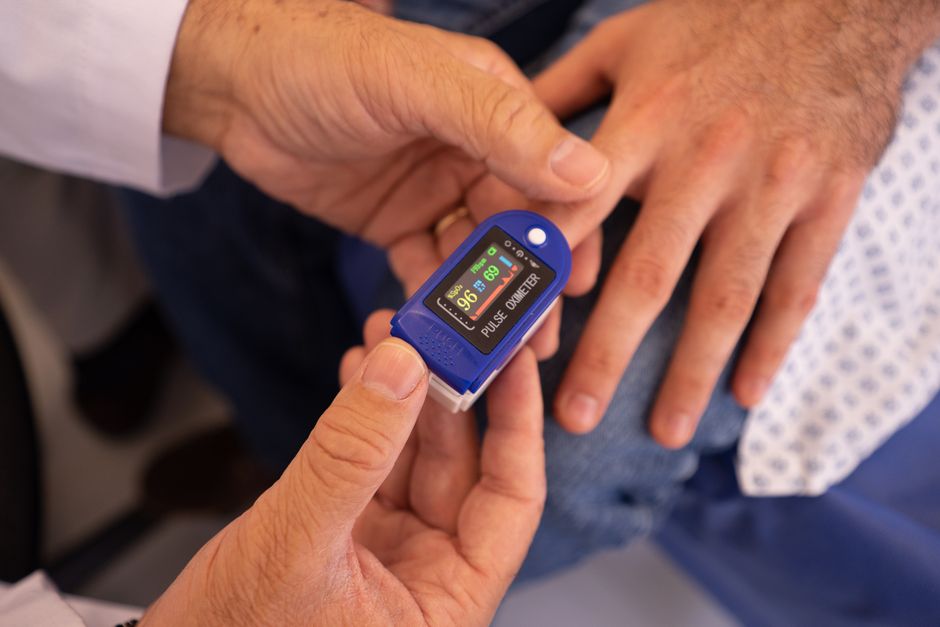
Your pulse is your heartbeat that you can feel in your arteries. It is the number of times your heart beats per minute. This number tells you how hard your heart is working to pump blood through your body. A normal resting pulse for most adults ranges from 60 to 100 beats per minute.
What Is The Pulse Rate and What Does It Measure?
Your pulse rate is a direct measure of your heart rate. Each time your heart contracts, it pushes blood through your arteries. This creates a wave of pressure that you can feel as a thump or beat at certain points on your body.
The most common place to check your pulse is on your wrist, just below your thumb. You can also feel it on the side of your neck, called the carotid artery. The number of beats you count in 60 seconds is your pulse rate.
Your pulse rate changes throughout the day. It goes up when you exercise, feel stressed, or have a fever. It goes down when you are resting or sleeping. This is normal and expected. What matters most is your resting pulse rate, taken when you have been sitting still for at least five minutes.
What Is a Normal Pulse Rate by Age?
A normal resting heart rate is not the same for everyone. Age is the biggest factor. Children have faster heart rates than adults. Older adults may have slightly slower rates.
The American Heart Association provides these general ranges for resting heart rate:
| Age Group | Normal Resting Heart Rate (beats per minute) |
|———–|———————————————-|
| Newborns (0-1 month) | 70 to 190 |
| Infants (1-11 months) | 80 to 160 |
| Children (1-2 years) | 80 to 130 |
| Children (3-4 years) | 80 to 120 |
| Children (5-9 years) | 70 to 110 |
| Children (10+ years) | 60 to 100 |
| Adults (18+ years) | 60 to 100 |
| Well-trained athletes | 40 to 60 |
These are ranges, not exact targets. A rate of 55 for a healthy athlete is different from a rate of 55 for someone with symptoms like dizziness. If you are an athlete, a lower rate often means your heart is efficient. For most people, a rate consistently above 100 at rest or below 60 with symptoms needs a medical check.
What Factors Affect Your Pulse Rate?
Many things change your pulse rate beyond just exercise. Understanding these factors helps you know what is normal for you.
Physical factors:
Emotional factors:
Medical factors:
One non-obvious insight: your pulse can rise 10 to 20 beats per minute just from digesting a large meal. This is called postprandial heart rate increase and it is normal.





How to Check Your Pulse Correctly
Most people check their pulse wrong. They count for 15 seconds and multiply by four. This method is fine for a rough estimate but not for accuracy. Heart rate can vary beat to beat, especially if you have any irregular rhythm.
The most accurate way is to count for a full 60 seconds. Here is how to do it correctly:
1. Sit down and rest for at least five minutes. Do not talk.
2. Place your index and middle fingers on your wrist, below your thumb base.
3. Press gently until you feel a pulse. Do not press hard enough to block blood flow.
4. Look at a clock or watch with a second hand.
5. Count the beats for 60 seconds. The first beat counts as zero.
6. Write down the number.
Do not use your thumb to check your pulse. Your thumb has its own pulse, and you might count it by mistake.
For people with irregular heartbeats, like atrial fibrillation, the 15-second method is especially unreliable. The irregular rhythm means the rate changes constantly. A full minute count is the only accurate way.
When Should You Be Concerned About Your Pulse Rate?
A single high or low reading is rarely a problem. Most people have occasional variations. You should pay attention when the rate is consistently outside the normal range or when it comes with symptoms.
Tachycardia is a resting heart rate above 100 beats per minute. Some causes are temporary, like fever or anxiety. Others can be serious, including heart conditions, thyroid problems, or blood clots. If your resting rate is consistently above 100 and you feel short of breath, dizzy, or have chest pain, see a doctor.
Bradycardia is a resting heart rate below 60 beats per minute. For athletes, this is normal. For others, it can mean the heart’s electrical system is not working right. Symptoms include fatigue, dizziness, fainting, or shortness of breath. If you have a low rate with any of these symptoms, get checked.
Irregular rhythm is when your pulse feels like it skips beats, flutters, or has an uneven pattern. This can be harmless, like occasional premature beats. It can also be atrial fibrillation, which increases stroke risk. A 2022 study in the Journal of the American College of Cardiology found that undiagnosed atrial fibrillation affects about 2% of people under 65 and up to 9% of those over 65.
What Can You Do to Improve Your Pulse Rate?
You cannot directly control your heart rate. But you can influence it through lifestyle habits. The goal is not to hit a perfect number. It is to keep your heart healthy and your rate within a normal range for you.
Aerobic exercise is the most effective way to lower your resting heart rate over time. Research from the American Heart Association shows that 150 minutes of moderate exercise per week can lower resting heart rate by 5 to 10 beats per minute after several months. This happens because your heart muscle gets stronger and pumps more blood per beat.
Stress management matters more than most people realize. Chronic stress keeps your sympathetic nervous system activated, which raises heart rate. Techniques like deep breathing, meditation, or even a 10-minute walk can lower it. A 2019 study in Frontiers in Psychology found that 8 weeks of mindfulness training reduced resting heart rate by an average of 4 beats per minute.
Hydration is simple but often overlooked. Even mild dehydration can raise your heart rate. Drink water throughout the day, especially if you are active or in warm weather.
Avoid stimulants close to bedtime. Caffeine can affect heart rate for up to 6 hours in some people. Nicotine is a stronger stimulant and raises heart rate for longer.
One clarification worth making: there is no evidence that supplements like magnesium or potassium lower resting heart rate in people with normal levels. These minerals are important for heart function, but taking extra will not slow your pulse. If you have a deficiency, that is different. But most people do not.
Frequently Asked Questions
What is a dangerously high pulse rate?
A resting heart rate consistently above 120 beats per minute is considered dangerous and needs immediate medical attention. Rates above 100 with symptoms like chest pain or shortness of breath also require urgent care.
Does a low pulse rate mean you are fit?
Not always. A low resting rate below 60 can mean you are fit if you exercise regularly and have no symptoms. But it can also signal a heart condition if you are not athletic or feel dizzy or tired.
Can anxiety cause a high pulse rate?
Yes. Anxiety activates your nervous system and releases stress hormones that raise your heart rate. This can happen even when you are not actively feeling anxious if you have chronic anxiety.
Is it normal for pulse rate to change during the day?
Yes. Your pulse naturally rises and falls based on activity, stress, meals, and sleep. Changes of 10 to 20 beats per minute throughout the day are normal and not a concern.
