
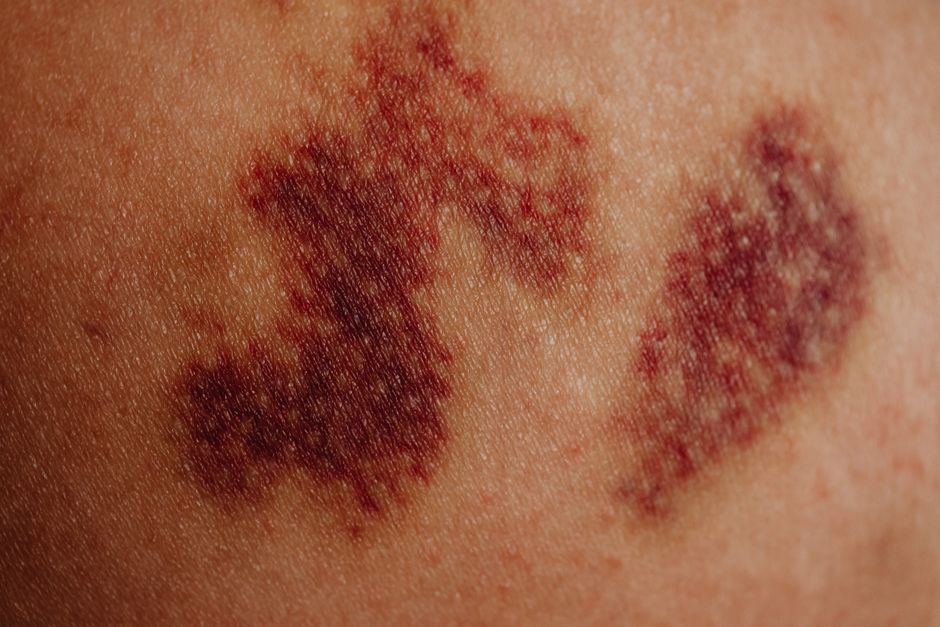
A contusion is the medical term for a bruise. It happens when blunt force damages small blood vessels under the skin, letting blood leak into the surrounding tissue. The skin itself usually stays unbroken. What you see afterward — the black, blue, purple, or green mark — is that pooled blood being broken down and reabsorbed by the body.
Most contusions are minor and heal on their own within a couple of weeks. Some, especially deep bruises in muscle or bone, cause more trouble. A contusion in the brain or around a vital organ is a medical emergency, not a household bruise. Knowing the difference matters.
What Is A Contusion Injury?
A contusion injury is damage to tissue caused by a direct blow or crush that does not break the skin. The force ruptures capillaries and small blood vessels beneath the surface. Blood escapes into the tissue, and the body responds with inflammation — swelling, warmth, and pain.
The word comes from the Latin contundere, meaning “to crush.” That origin captures the mechanism well. A contusion is a crushing injury to soft tissue, whether that tissue is skin, muscle, or an internal organ.
Doctors sometimes use “contusion” and “hematoma” as if they mean the same thing. They are related but not identical. A contusion refers to the injured area of tissue. A hematoma is a pooled collection of blood that has escaped from vessels. A large contusion often contains a hematoma. A hematoma can also form without an obvious surface bruise, especially deep in muscle.
Bone bruises are a related concept. When the periosteum — the tough layer covering bone — or the bone surface itself is injured, the result is sometimes called a bone contusion. These can be more painful and slower to heal than a typical skin bruise. They are often only confirmed with imaging.
What Causes A Contusion?
Blunt force is the cause. The specific source varies widely.
- Falls, especially onto hard surfaces
- Sports collisions and contact injuries
- Striking a body part against a hard object
- Being hit by a moving object
- Vehicle accidents
- Crush injuries from heavy weight or pressure
Some people bruise more easily than others, and that difference is real. Age plays a role because skin and blood vessels thin over time. Certain medications — including blood thinners and some pain relievers — increase bleeding risk. So do some medical conditions that affect clotting or platelet function.
If bruises appear without any injury, or appear far more easily than they used to, that warrants a medical evaluation. Spontaneous bruising can sometimes signal a problem with blood clotting or platelets. It is not something to self-diagnose, but it is something to have checked.
What Are The Symptoms Of A Contusion?
The visible mark is the most familiar symptom, but it is not the only one. A contusion can produce:
- Discoloration that changes color over time
- Swelling and puffiness around the injured area
- Tenderness or pain when touched or moved
- Warmth over the bruised area
- Stiffness or limited movement if a joint or muscle is involved
The color change follows a predictable pattern, and understanding it helps explain why bruises look the way they do. Fresh blood under the skin appears red or purple. Over the next day or two, the breakdown of hemoglobin — the oxygen-carrying protein in red blood cells — turns the area blue or dark purple. As the body clears the blood, the color shifts to green, then yellow, then fades. This color progression is normal and does not require treatment.
Not every contusion shows a visible bruise. Deep muscle contusions can cause pain and swelling with little or no surface discoloration, because the bleeding is too deep to show through the skin.




How Long Does A Contusion Take To Heal?
Most minor contusions fade over one to two weeks. The exact timeline depends on how much tissue was injured, where the bruise is, and how the person heals.
Bruises on the arms and legs tend to clear faster than bruises on the trunk or deeper in muscle. Larger or deeper contusions take longer. Some deep muscle contusions can cause pain and stiffness for several weeks even after the visible discoloration fades.
There is no treatment that speeds up the underlying healing process. The body reabsorbs the leaked blood on its own schedule. What you can do is manage symptoms and avoid making the injury worse.
How Are Contusions Treated?
For a minor contusion, the standard approach is rest, ice, compression, and elevation. This is often called the RICE method, though clinical guidance on its exact components has shifted over the years.
Applying a cold pack can help reduce pain and swelling in the first day or two. Wrap it in a cloth rather than placing ice directly on the skin. Compression with an elastic bandage may help limit swelling, and elevating the injured area above heart level can do the same. Rest protects the area from further injury.
Over-the-counter pain relievers are commonly used. Acetaminophen does not affect clotting. Some nonsteroidal anti-inflammatory drugs (NSAIDs) can affect platelet function and may increase bleeding, so people on blood thinners or with bleeding disorders should check with a clinician before using them for a bruise.
Heat is generally avoided in the first day or two because it can increase blood flow and swelling. Some clinicians recommend gentle heat later in healing to help with stiffness, but the evidence for this is not strong. This is a case where common practice and strong evidence do not fully line up.
Do not drain a bruise at home. Puncturing the skin to release blood risks infection and does not help healing.
When Is A Contusion Serious?
Most contusions are not serious. Some are. The location and the amount of force matter more than the size of the bruise.
A contusion to the head, spine, chest, abdomen, or eye can damage structures that a surface bruise does not reveal. Symptoms that warrant urgent medical attention include:
- Confusion, drowsiness, vomiting, or a worsening headache after a head injury
- Severe pain that does not improve
- Swelling that keeps growing
- Numbness, tingling, or weakness in the affected limb
- Difficulty breathing after a chest injury
- Signs of infection — increasing redness, warmth, pus, or fever
- A bruise that keeps expanding or does not fade
A cerebral contusion — a bruise on the brain — is a specific and serious injury. It is a form of traumatic brain injury and can cause bleeding and swelling inside the skull. Anyone with a head injury who develops confusion, repeated vomiting, unequal pupils, or loss of consciousness needs emergency care. These signs should never be watched at home.
Compartment syndrome is a rare but serious complication of deep muscle contusions. Pressure builds inside a muscle compartment, cutting off blood flow. The hallmark is pain that is far worse than expected and gets worse with stretching the muscle. This is a medical emergency.
How Do Contusions Differ From Other Injuries?
Contusions are often confused with other injuries, but the differences matter for treatment.
| Injury | What Happens | Skin Broken? |
|---|---|---|
| Contusion | Blunt force damages tissue and vessels; blood leaks under the skin | No |
| Abrasion | Skin is scraped or rubbed away | Yes |
| Laceration | Skin is cut or torn | Yes |
| Hematoma | Blood pools in a contained space | Usually no |
| Strain | Muscle or tendon is stretched or torn | No |
| Sprain | Ligament is stretched or torn | No |
A contusion affects tissue directly. A strain or sprain affects the structures that connect and move the body. They can happen together — a hard hit can bruise muscle and stretch a ligament at the same time.
Can Contusions Be Prevented?
Not all contusions can be prevented. Accidents happen. But some steps reduce the risk of the more common ones.
Wearing appropriate protective gear during sports and activities lowers the chance of direct-impact injuries. Seat belts and helmets reduce the severity of injuries in vehicle and cycling accidents. Keeping walkways clear and well lit reduces falls, which are a leading cause of contusions in older adults.
For people who bruise easily because of medication or a medical condition, there is no reliable way to prevent contusions entirely. Managing the underlying condition with a clinician is the more realistic goal.
Frequently Asked Questions
What is a contusion injury?
A contusion injury is a bruise caused by blunt force that damages small blood vessels under the skin without breaking the skin. Blood leaks into the surrounding tissue, causing discoloration, swelling, and pain.
How long does a contusion take to heal?
Most minor contusions fade within one to two weeks. Deeper contusions in muscle or bone can cause pain and stiffness for several weeks even after the visible bruise fades.
When should I worry about a bruise?
Seek medical care if a bruise keeps expanding, causes severe pain, or appears with numbness or weakness. After a head injury, confusion, vomiting, or a worsening headache requires emergency care.
Is a contusion the same as a hematoma?
No. A contusion is the injured area of tissue, while a hematoma is a pooled collection of blood. A large contusion often contains a hematoma, but they are not the same thing.
