
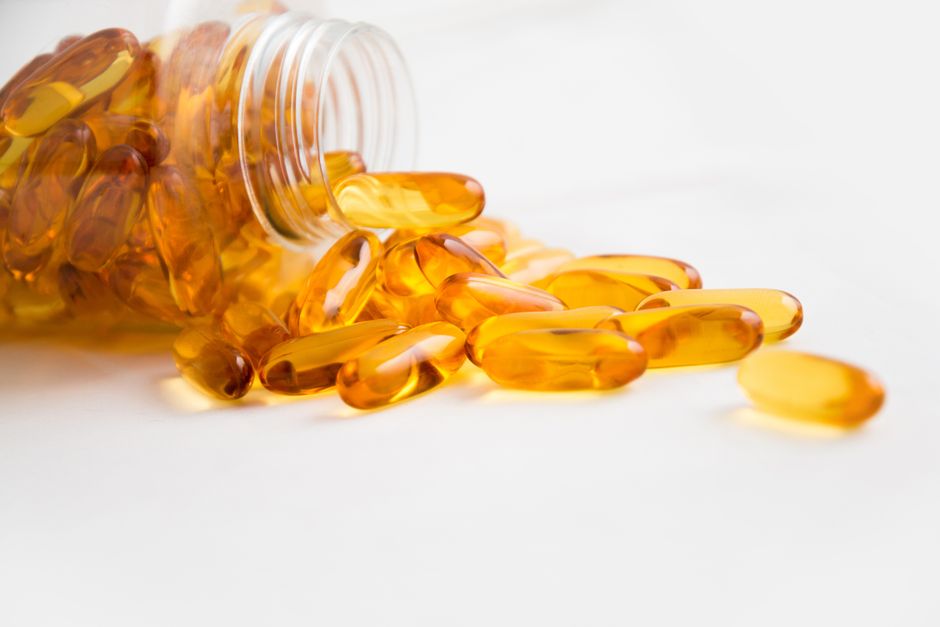
Ashwagandha is a small evergreen shrub native to India, the Middle East, and parts of Africa. Its roots and berries have been used in Ayurvedic medicine for thousands of years. Today it is sold as a supplement for stress, sleep, and athletic performance. The evidence for these uses is uneven — some is promising, some is weak, and some is largely marketing.
What Is Ashwagandha Benefits? Key Information
Ashwagandha (Withania somnifera) is classified as an adaptogen, a term used for plant compounds thought to help the body resist stress. The name comes from Sanskrit and roughly translates to “smell of the horse” — a reference to both the root’s odor and the traditional belief that it conferred strength.
The active compounds are a group of steroidal lactones called withanolides. These are found mainly in the root, though the leaves also contain them. Most commercial supplements standardize their product to a specific withanolide percentage, though there is no single agreed-upon standard across the industry.
What does the research actually show? The strongest evidence is for stress and anxiety reduction, though even that evidence has real limitations. Other claimed benefits — improved sleep, better athletic performance, boosted testosterone, enhanced cognition — have less consistent support. Some have only small or short-term studies behind them.
It is worth understanding what kind of evidence exists before spending money on a supplement. Most ashwagandha studies are small, often involving fewer than 100 participants, and many are funded by manufacturers. That does not make them worthless. It does mean the findings should be read with appropriate caution.
How Does Ashwagandha Affect Stress and Cortisol?
The most-studied effect of ashwagandha involves the body’s stress response system, specifically the hypothalamic-pituitary-adrenal (HPA) axis. This is the system that manages cortisol release in response to stress.
Several randomized controlled trials have found that ashwagandha supplementation is associated with lower self-reported stress scores compared to placebo. Some of these trials also measured cortisol levels in blood or saliva and found reductions. The effect sizes in these studies are generally modest, not dramatic.
A 2019 systematic review published in the Journal of Alternative and Complementary Medicine examined multiple trials and concluded that ashwagandha showed promise for reducing stress and anxiety symptoms. The review also noted that most included studies were small and of variable quality.
What does this mean practically? If you take ashwagandha for stress, you might notice a difference. You might not. The placebo response in stress-related trials is consistently high, which makes it harder to separate a real effect from expectation.
It is also important to note that “lower cortisol” is not automatically good. Cortisol is a necessary hormone. It regulates blood sugar, blood pressure, immune function, and the sleep-wake cycle. Chronically elevated cortisol is associated with health problems, but so is cortisol that is too low. The goal is a normal, healthy rhythm — not the lowest possible number.
Does Ashwagandha Help With Sleep?
Some studies suggest ashwagandha may improve sleep quality, particularly in people who report stress-related sleep problems. The evidence here is weaker than for stress reduction.
A small number of randomized trials have found improvements in sleep efficiency and reductions in the time it takes to fall asleep. These studies often use subjective questionnaires rather than objective sleep measurements like polysomnography. Subjective reports matter — how you feel about your sleep is real — but they are more susceptible to placebo effects than lab-measured data.
The proposed mechanism is indirect. If ashwagandha reduces stress and anxiety, and those are interfering with sleep, then sleep may improve as a downstream effect. Ashwagandha is not a sedative. It does not work like melatonin or a sleep medication.
For someone whose sleep problems are driven primarily by stress or an overactive mind at night, there is a plausible reason ashwagandha might help. For someone with sleep apnea, restless legs syndrome, or a circadian rhythm disorder, ashwagandha is unlikely to address the underlying problem.




What Does the Evidence Say About Athletic Performance?
The evidence for ashwagandha and athletic performance is mixed. Some studies in recreational athletes have found improvements in strength, power, and VO2 max. Others have found no significant difference from placebo.
Most of these studies are small, short in duration, and involve specific populations — often young men doing resistance training. Whether the findings apply to other groups, such as older adults or endurance athletes, is not well established.
The proposed mechanism involves reduced cortisol and improved recovery, which could theoretically allow for more training volume. But biological plausibility is not the same as proven benefit. A mechanism that makes sense does not guarantee a measurable outcome.
If you are considering ashwagandha for performance, understand that the research does not support it as a reliable ergogenic aid the way creatine or caffeine are supported. The evidence is more preliminary.
Is Ashwagandha Safe? What Are the Risks?
Short-term use of ashwagandha appears to be generally well tolerated in healthy adults at doses used in most studies. That said, “generally well tolerated” is not the same as “risk-free.”
Reported side effects include:
- Drowsiness or sedation
- Stomach upset or diarrhea
- Headache
- Nausea
More serious concerns exist. There have been case reports of liver injury associated with ashwagandha supplements. These are rare, and a causal relationship has not been definitively established, but the reports are consistent enough that some researchers have called for better monitoring. Anyone with existing liver disease should be cautious.
Ashwagandha may affect thyroid hormone levels. Some studies have found increases in T3 and T4 in people with subclinical hypothyroidism. This could be beneficial for some and problematic for others, particularly those already taking thyroid medication.
Because ashwagandha can lower cortisol and has been shown in some studies to affect blood sugar, people taking medications for diabetes or blood pressure should talk to their doctor before using it.
Ashwagandha may also interact with sedatives, thyroid medications, immunosuppressants, and certain psychiatric medications. If you take any prescription drugs, this is not a supplement to start without checking for interactions.
No clinical guidelines currently exist for ashwagandha use during pregnancy or breastfeeding. Traditional use notwithstanding, the safety data for these populations is insufficient. Most authoritative sources recommend avoiding it during pregnancy.
Who Should Be Cautious or Avoid Ashwagandha?
Certain groups should be more careful than others.
- Pregnant women: Safety data are lacking. Some traditional sources describe it as potentially abortifacient, though this is not well studied in humans. Most guidance recommends avoiding it.
- People with autoimmune conditions: Ashwagandha may stimulate immune activity. In theory, this could worsen autoimmune disease, though human data are limited.
- People with liver disease: Given the case reports of liver injury, caution is warranted.
- People on thyroid medication: Because ashwagandha may alter thyroid hormone levels, it could interfere with dosing.
- People on sedatives or psychiatric medications: Additive effects are possible.
This is not a complete list. If you take any prescription medication or have a chronic health condition, the responsible step is to check with a pharmacist or physician before starting ashwagandha.
How Do You Evaluate an Ashwagandha Supplement?
Supplement regulation in the United States is different from drug regulation. The FDA does not approve supplements for safety and effectiveness before they are sold. That means what is on the label may not match what is in the bottle.
Independent testing has found that some ashwagandha products contain less of the active compound than claimed, or contain different plant material entirely. Third-party testing certifications, such as those from USP or NSF International, provide some assurance but are not a guarantee.
Things to look for:
- A specific withanolide content listed on the label
- Third-party testing verification
- A manufacturer willing to share a certificate of analysis
- Clear sourcing information for the raw material
None of these guarantee quality. They simply increase the likelihood that what you are buying is what the label says it is.
Doses used in clinical studies vary widely. There is no single established dose. Some studies have used root extract standardized to a specific withanolide percentage, while others have used powdered root. The lack of standardization makes it difficult to compare results across studies or to know what dose to take.
Frequently Asked Questions
How long does ashwagandha take to work?
Most studies that have found effects measured outcomes after several weeks of daily use, often around eight weeks. Some people report feeling calmer sooner, but that could reflect expectation rather than the supplement itself.
Can I take ashwagandha every day?
Daily use for several weeks is how most studies have been designed, and short-term daily use appears generally well tolerated in healthy adults. Long-term safety data beyond a few months are limited, so ongoing use without medical guidance is not well supported by evidence.
Does ashwagandha increase testosterone?
A few small studies have reported modest increases in testosterone in men, but the evidence is not consistent and the studies are limited. It is not an established treatment for low testosterone, and anyone with symptoms of low testosterone should see a doctor rather than self-treat.
What are the side effects of ashwagandha?
Common side effects include drowsiness, stomach upset, and headache. Rare but more serious reports of liver injury have been documented, and it may interact with thyroid medications, sedatives, and other prescription drugs.
