
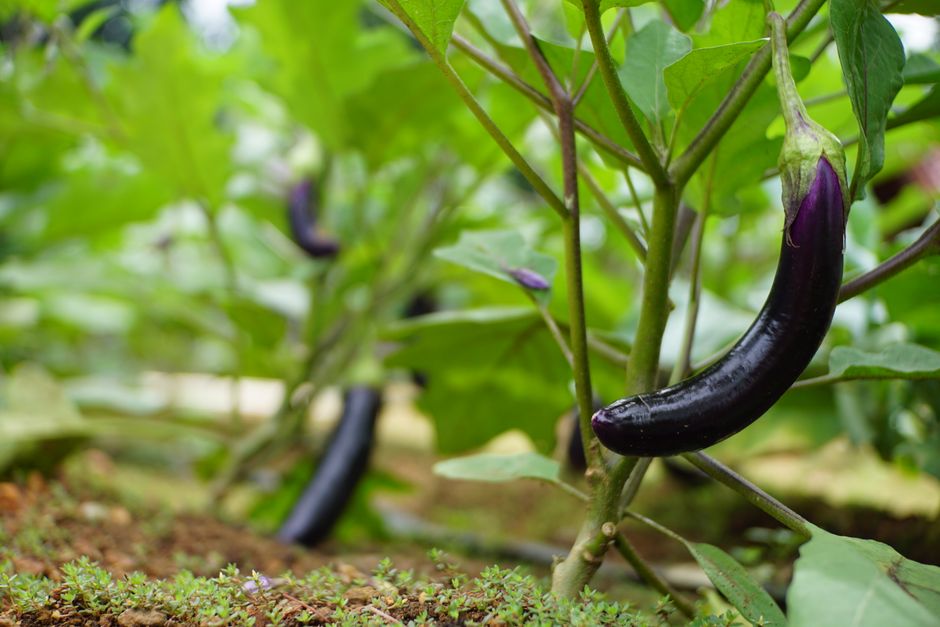
The nightshade family, known scientifically as Solanaceae, is a large group of plants that includes some of the most common foods in the American diet, such as tomatoes, potatoes, peppers, and eggplants. It also includes some highly toxic plants, like belladonna and tobacco. For most people, eating nightshade vegetables is perfectly safe, but they have become a topic of intense debate in recent years due to claims linking them to inflammation and arthritis. Here is what you need to know about this plant family, the science behind the concerns, and who might actually need to avoid them.
What Is The Nightshade Family?
The nightshade family is one of the largest and most diverse plant families on Earth, containing more than 2,000 different species. These plants grow all over the world, and their edible members are staples in many cuisines. The most common edible nightshades you will find in a grocery store include tomatoes, white potatoes, all varieties of peppers (from bell peppers to chili peppers), and eggplants.
Less obvious members include tomatillos, goji berries, and ground cherries. Many people are surprised to learn that some spices and seasonings, such as paprika, cayenne, and chili powder, also come from nightshade plants. While the edible varieties are safe, the family also contains dangerous plants like deadly nightshade (belladonna) and mandrake, which contain toxic alkaloids and should never be eaten.
Why Do People Claim Nightshades Cause Inflammation?
The concern about nightshades centers on natural compounds they contain called alkaloids. These are chemical substances that plants produce, often as a defense mechanism against insects and fungi. The specific alkaloids found in edible nightshades, such as solanine and capsaicin, are the source of most of the controversy.
The theory is that these alkaloids might irritate the gut lining or trigger an immune response in certain people, leading to systemic inflammation. However, the scientific evidence for this is largely anecdotal. While some animal studies have shown that high doses of these compounds can cause gut irritation, the levels found in normal food portions are generally too low to cause problems in healthy people. It is important to understand that biological plausibility—the idea that a compound could cause inflammation—is not the same as proven clinical effect in humans.
What Does the Research Actually Say?
Research on nightshades and human health is limited and mixed. There is no strong clinical consensus that nightshades cause inflammation or worsen arthritis in the general population. Some studies suggest that certain people with pre-existing digestive conditions, like irritable bowel syndrome (IBS), may be sensitive to specific alkaloids, but this is not a universal finding.
When it comes to arthritis, the evidence is even less clear. No large human trials have confirmed that removing nightshades from the diet reduces joint pain. The belief that nightshades worsen arthritis is based mostly on personal testimonials and a few small, older studies that have not been replicated. That said, a small number of people do report feeling better when they eliminate these foods. For those individuals, a temporary elimination diet may be a reasonable way to test their personal sensitivity, but it should not be presented as a proven treatment for arthritis or inflammation.





Are Nightshades Bad for Everyone?
No. For the vast majority of people, nightshade vegetables are highly nutritious and safe to eat. They provide significant amounts of fiber, vitamins, and antioxidants. Tomatoes are a major source of lycopene, and bell peppers are packed with vitamin C. Eliminating them from your diet could mean missing out on valuable nutrients.
There is one exception that is well-established in medical science: people who are genuinely allergic to nightshades. A true food allergy to nightshades is rare, but it can cause symptoms like hives, itching, and swelling. Additionally, people with certain autoimmune conditions may have sensitivities, but this is highly individual and not a blanket reason for everyone to avoid these foods. If you have a known allergy, you should avoid them. If you do not, there is no strong evidence that you need to eliminate them for general health.
How Do You Know If You Are Sensitive?
If you suspect nightshades are causing you problems, the most reliable way to find out is to use an elimination diet. This involves removing all nightshade foods from your diet for a set period—typically two to four weeks—and then slowly reintroducing them one at a time while tracking your symptoms.
This method is not about guessing. It is a structured test. If you feel dramatically better during the elimination phase and your symptoms return when you reintroduce a specific food, you may have a sensitivity. If you notice no difference, it is unlikely that nightshades are the cause of your issues. It is always wise to discuss this process with a doctor or registered dietitian, especially if you are managing a chronic condition like rheumatoid arthritis or IBS. They can help you ensure you are still meeting your nutritional needs while you test your sensitivity.
What Are the Nutritional Benefits of Nightshades?
It is easy to focus on the negatives, but the nutritional profile of nightshades is excellent. They are some of the most widely consumed vegetables for a reason. A diet rich in these foods is associated with a lower risk of chronic diseases, including heart disease and certain cancers.
Here is a quick look at what key nightshades offer:
- Tomatoes: High in vitamin C, potassium, and lycopene, an antioxidant linked to heart health.
- Bell Peppers: Excellent source of vitamin C and vitamin A, plus fiber.
- Eggplant: Good source of fiber and several B vitamins, with very few calories.
- Potatoes: Rich in potassium and vitamin B6, especially when eaten with the skin on.
For most people, the benefits of eating these foods far outweigh the theoretical risks. Removing them without a medical reason could reduce the overall quality of your diet.
When Should You See a Doctor?
If you experience chronic digestive issues, joint pain, or skin problems, you should not try to diagnose yourself with a nightshade sensitivity. These symptoms can be caused by many different conditions, some of which require medical treatment. A doctor can run tests to rule out other causes and help you determine if food sensitivities are playing a role.
You should seek immediate medical attention if you have symptoms of a severe allergic reaction, such as difficulty breathing, swelling of the throat, or a rapid drop in blood pressure after eating. This is a medical emergency. For less severe but persistent symptoms, keep a food diary and bring it to your appointment. This information is often more helpful to a clinician than a general complaint of feeling unwell.
Frequently Asked Questions
Are all nightshades toxic?
No. Only certain wild and ornamental varieties are toxic. Common edible nightshades like tomatoes, potatoes, and peppers are safe for most people when eaten in normal amounts.
Do nightshades cause arthritis pain?
No clinical evidence confirms that nightshades cause or worsen arthritis. Some people report relief when they avoid them, but this is not supported by large-scale human trials.
Should I stop eating tomatoes and peppers to reduce inflammation?
For most people, no. These foods are nutritious and are not proven to cause inflammation in healthy individuals. Only consider eliminating them if you suspect a personal sensitivity and have tested it with a structured elimination diet.
Can I eat nightshades if I have IBS?
Some people with IBS report sensitivity to certain foods, including nightshades, but this is individual. There is no universal rule, and you may tolerate them fine. It is best to test your own tolerance with guidance from a healthcare provider.
