
Hemoglobin is a protein inside your red blood cells that carries oxygen from your lungs to the rest of your body. It also carries carbon dioxide back to your lungs so you can breathe it out. For most adults, a normal hemoglobin level falls between 13.5 and 17.5 grams per deciliter (g/dL) for men and 12.0 to 15.5 g/dL for women. These ranges are the standard reference points used by most major medical organizations, though individual labs may vary slightly.
What Is Hemoglobin Normal Level? Key Information You Need
Your hemoglobin level is a direct measure of how much oxygen your blood can carry. When your level drops below the normal range, your tissues do not get enough oxygen. This condition is called anemia. When your level rises above the normal range, your blood may become thicker than it should be, which can strain your heart and circulation.
Doctors check hemoglobin as part of a complete blood count, or CBC. This is one of the most common blood tests ordered in routine medical care. It helps screen for anemia, monitor chronic conditions, and evaluate your overall health before surgery or during pregnancy.
What Do the Hemoglobin Ranges Mean for Men and Women?
The normal range differs by sex because of hormonal differences that affect red blood cell production. Testosterone stimulates red blood cell production, which is why men naturally run higher than women. Women of childbearing age also lose iron through menstruation, which can lower their hemoglobin.
For adult men, the normal range is 13.5 to 17.5 g/dL. For adult women, it is 12.0 to 15.5 g/dL. These numbers represent the range where 95 percent of healthy people fall. A result slightly outside this range does not automatically mean you are sick, but it does warrant attention.
Children and infants have their own ranges that change as they grow. Newborns have very high hemoglobin levels, often between 14 and 24 g/dL, which gradually drop over the first months of life. A pediatrician interprets a child’s hemoglobin against age-specific references, not adult ranges.
Why Does Hemoglobin Drop Below Normal?
Low hemoglobin is one of the most common blood test abnormalities in clinical practice. The causes fall into three main categories: your body is not making enough red blood cells, your body is destroying red blood cells too quickly, or you are losing blood.
Iron deficiency is the most common cause of low hemoglobin worldwide. Your body needs iron to build hemoglobin. Without enough iron, your red blood cells become small and pale, and your hemoglobin falls. Other nutrient deficiencies can also contribute, including vitamin B12 and folate, which your body needs to produce red blood cells properly.
Chronic diseases can also lower hemoglobin. Kidney disease is a major cause because your kidneys produce erythropoietin, the hormone that signals your bone marrow to make red blood cells. Inflammatory conditions, cancer, and autoimmune diseases can interfere with red blood cell production as well.
Bleeding is another common cause. Heavy menstrual periods, gastrointestinal bleeding from ulcers or polyps, and injury can all deplete your iron stores and lower your hemoglobin. Sometimes the bleeding is slow and invisible, which is why a routine CBC can catch a problem you did not know you had.





What Causes Hemoglobin to Rise Above Normal?
High hemoglobin is less common than low hemoglobin but still important. Dehydration is the simplest cause. When your blood plasma volume drops, your hemoglobin concentration appears higher even though your actual red blood cell count has not changed. This is often called relative polycythemia, and it resolves once you rehydrate.
Smoking is a significant cause of true high hemoglobin. The carbon monoxide in cigarette smoke binds to hemoglobin more strongly than oxygen does. Your body compensates by producing more red blood cells to try to deliver enough oxygen. This is why smokers often have hemoglobin levels at the top of the range or above it.
Living at high altitude also raises hemoglobin. The air is thinner at elevation, so your body produces more red blood cells to capture more oxygen. People who live in Denver or the Andes mountains naturally run higher than people at sea level. This is a normal adaptation, not a disease.
Polycythemia vera is a rare bone marrow disorder where your body makes too many red blood cells. This condition requires medical management because thick blood increases your risk of blood clots, stroke, and heart attack.
What Symptoms Should You Watch For?
Low hemoglobin produces symptoms related to insufficient oxygen delivery. Fatigue is the most common complaint. You may feel weak, short of breath with minimal exertion, or dizzy when you stand up. Some people notice pale skin, cold hands and feet, or headaches. If anemia develops slowly, you may not notice symptoms until your hemoglobin is significantly low.
High hemoglobin often produces no symptoms at all. When symptoms do occur, they relate to thick blood. You might experience headaches, dizziness, blurred vision, or itching after a warm shower. In more severe cases, high hemoglobin increases your risk of blood clots, which can cause chest pain, leg swelling, or stroke symptoms.
These symptoms are not specific to hemoglobin problems. Many conditions cause fatigue or headache. The only way to know your hemoglobin level is to have a blood test. If you have persistent symptoms, talk to your doctor about whether a CBC is appropriate for you.
How Is an Abnormal Hemoglobin Level Treated?
Treatment depends entirely on the underlying cause. There is no single fix for abnormal hemoglobin because the abnormality is a symptom, not the disease itself.
For iron deficiency anemia, iron supplementation is the standard treatment. Your doctor will determine the right dose based on your iron studies and hemoglobin level. Iron pills are effective, but they can cause stomach upset and constipation. Taking iron with vitamin C improves absorption, while taking it with dairy or tea reduces absorption.
For vitamin B12 or folate deficiency, replacement of the deficient vitamin is the treatment. B12 deficiency may require injections if your body cannot absorb it from food, which is common in older adults and people with certain digestive conditions.
For anemia of chronic disease, treating the underlying condition is the priority. In some cases, doctors prescribe erythropoietin-stimulating agents to boost red blood cell production, particularly in kidney disease. These medications are effective but carry risks and require careful monitoring.
For high hemoglobin caused by smoking, quitting is the most effective intervention. For high-altitude residents, no treatment is needed because the elevation is the cause. For polycythemia vera, treatment may include regular blood removal, called phlebotomy, and medication to reduce blood cell production.
When Should You Get Your Hemoglobin Checked?
Hemoglobin is part of routine preventive care. Most adults should have a CBC at least every few years as part of a general health check. Your doctor may check it more often if you have risk factors for anemia or a chronic condition that affects blood cell production.
Pregnant women need hemoglobin checks throughout pregnancy because blood volume expands significantly and iron demands increase. Anemia during pregnancy is associated with fatigue, increased infection risk, and complications for both mother and baby. Prenatal vitamins contain iron specifically to help prevent this.
If you have unexplained fatigue, shortness of breath, or other symptoms of anemia, do not wait for your next routine appointment. Ask your doctor about getting a CBC. A simple blood test can provide a clear answer and guide the next steps.
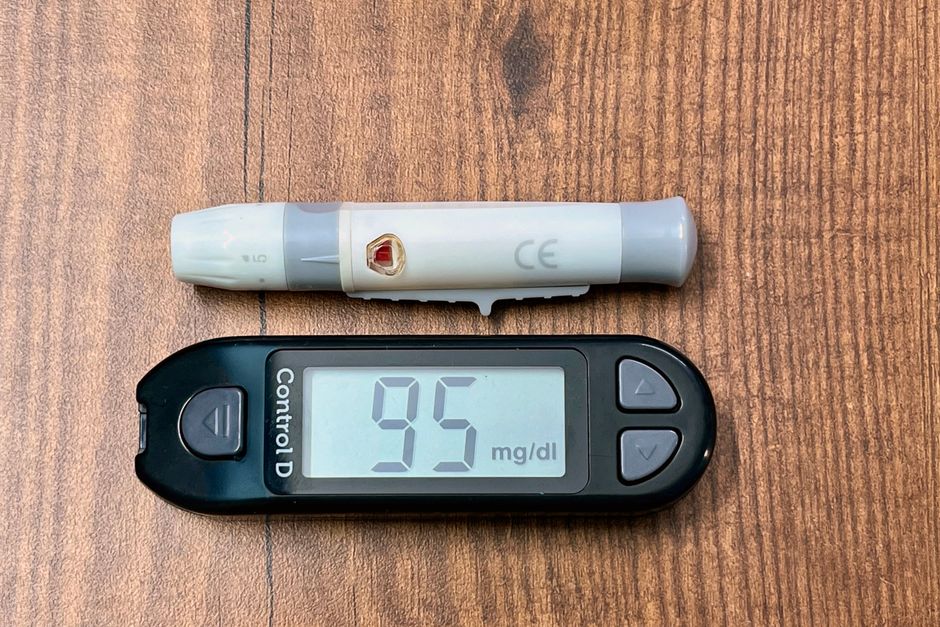
One important note: home hemoglobin monitors exist, but they are not a substitute for laboratory testing. Finger-prick devices can be useful for people with chronic conditions who need frequent monitoring, but they are not accurate enough for diagnosis. A venous blood draw analyzed by a certified laboratory remains the gold standard.
Can Diet Affect Your Hemoglobin Level?
Diet plays a direct role in hemoglobin production because your body needs specific nutrients to build red blood cells. Iron is the most critical. Heme iron from animal sources like red meat, poultry, and fish is absorbed more efficiently than non-heme iron from plants. Good plant sources include lentils, beans, spinach, and fortified cereals.
Vitamin C enhances iron absorption. Eating citrus fruits, tomatoes, or bell peppers alongside iron-rich foods helps your body use the iron you consume. On the other hand, tannins in tea and coffee, and calcium in dairy products, can reduce iron absorption when consumed with meals.
Vitamin B12 is found almost exclusively in animal products, including meat, fish, eggs, and dairy. Vegans and strict vegetarians are at higher risk for B12 deficiency and may need supplements. Folate is found in leafy green vegetables, legumes, and fortified grains.
If you have a normal hemoglobin level, you do not need to obsess over these nutrients. A balanced diet that includes a variety of foods will generally maintain healthy hemoglobin. If you have anemia, dietary changes alone are often not enough, and supplements or medical treatment may be necessary.
Frequently Asked Questions
What is a dangerous hemoglobin level?
Hemoglobin below 7 g/dL is considered severe anemia and requires urgent medical attention. Hemoglobin above 20 g/dL is also dangerous and increases the risk of blood clots.
Can dehydration affect hemoglobin levels?
Yes, dehydration concentrates your blood and can make hemoglobin appear higher than it actually is. Rehydrating usually brings the level back to your true baseline.
How long does it take to raise low hemoglobin?
With proper treatment, hemoglobin typically rises within 2 to 4 weeks, but full correction can take 2 to 3 months. The timeline depends on the cause and how well you respond to treatment.
Does exercise affect hemoglobin levels?
Regular exercise can mildly increase hemoglobin because your body adapts to increased oxygen demand. However, very intense endurance training can sometimes lower hemoglobin due to the breakdown of red blood cells from repetitive impact.
