
Peptides are short chains of amino acids that act as signaling molecules in the body. They are popular in skincare, sports performance, and dietary supplements. Most people tolerate them well, but side effects do occur and depend heavily on the type of peptide, the dose, and how it is taken. The most common issues are skin irritation from topical products, digestive upset from oral supplements, and injection-site reactions from injectable forms.
What Are The Side Effects Of Peptides? Key Information
Side effects vary by peptide type and delivery method. Topical peptides like copper peptides can cause redness, itching, or flaking. Oral collagen peptides rarely cause more than mild stomach discomfort. Injectable peptides carry the highest risk, including pain at the injection site, nausea, and in rare cases, allergic reactions.
The honest answer is that many peptide products on the market have limited human safety data. Some are studied well. Others are sold based on marketing rather than clinical evidence. You should know the difference before you buy.
Why Do Peptides Cause Side Effects?
Peptides work by binding to specific receptors on cell surfaces. This triggers a response inside the cell. That response is what produces the intended effect, whether it is collagen production in skin or increased growth hormone release.
Side effects happen when the peptide affects cells it was not meant to target. This is called off-target activity. It can also happen when the dose is too high, causing an exaggerated response. The body may also recognize the peptide as foreign and mount an immune response.
Another factor is purity. Peptide products are not all created equal. Some contain impurities or byproducts from the manufacturing process. These contaminants can cause reactions that have nothing to do with the peptide itself.
Side Effects of Topical Peptides
Topical peptides are the most common type found in over-the-counter skincare products. They include ingredients like copper peptides, palmitoyl pentapeptide, and acetyl hexapeptide. These are applied directly to the skin.
The most frequent side effects are mild skin irritation, redness, and a stinging sensation. This is more likely in people with sensitive skin or existing skin conditions like eczema. Copper peptides in particular can cause a temporary darkening of the skin in some people.
Contact dermatitis is possible but uncommon. It appears as a red, itchy rash at the application site. If this happens, stop using the product and consider patch testing before trying another peptide product.
Most topical peptide reactions are cosmetic and not dangerous. They typically resolve within days of stopping the product. Serious allergic reactions are rare.




Side Effects of Oral Peptide Supplements
Oral peptides are sold as powders, capsules, and drinks. Collagen peptides are the most common. The digestive system breaks down most peptides before they reach the bloodstream, so they act more like protein than signaling molecules.
Gastrointestinal side effects are the main concern. These include bloating, gas, nausea, and a feeling of fullness. These symptoms are usually mild and temporary. They often improve when the supplement is taken with food.
Some people report a bad taste or aftertaste from peptide powders. This is not a safety issue, but it can affect compliance.
There is a theoretical concern about peptides that are not fully broken down during digestion. Some research suggests that certain peptides can cross the intestinal lining intact. This is called intestinal permeability. Whether this causes meaningful side effects in humans is not well established.
Side Effects of Injectable Peptides
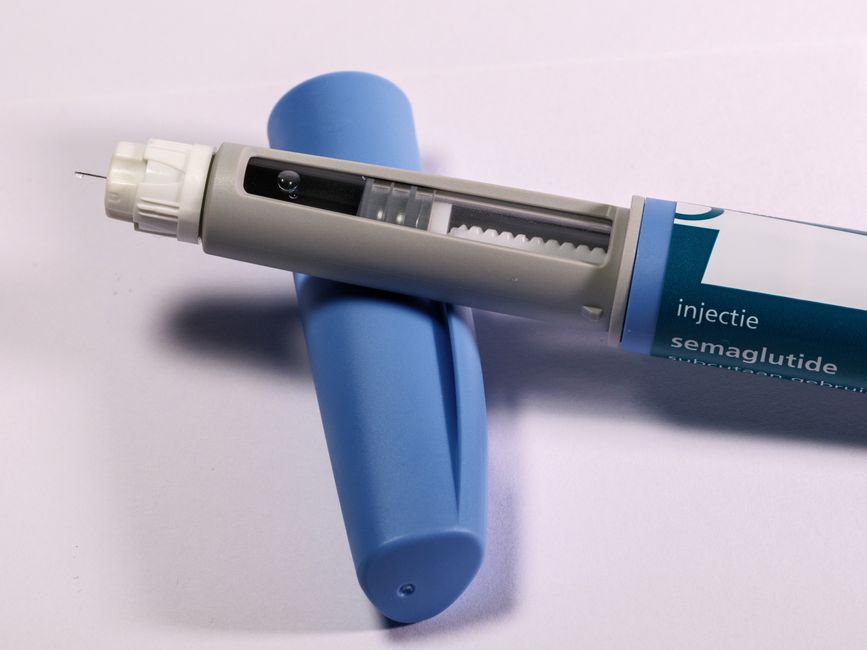
Injectable peptides are the highest risk category. These are often used for muscle building, fat loss, or anti-aging purposes. Examples include growth hormone-releasing peptides and growth hormone secretagogues.
Injection-site reactions are the most common side effect. These include pain, redness, swelling, and bruising at the injection site. These reactions are usually mild and resolve on their own.
Systemic side effects are more concerning. These can include nausea, headache, dizziness, increased heart rate, and changes in blood sugar levels. The severity depends on the specific peptide and the dose.
Some injectable peptides affect hunger signals. This can lead to either increased or decreased appetite, depending on the peptide. This is not necessarily harmful, but it can be surprising if you are not expecting it.
Long-term safety data for most injectable peptides is limited. Many of these products are not approved by regulatory agencies for human use. They are often sold as research chemicals. This means quality control and dosing accuracy are not guaranteed.
Who Should Avoid Peptides?
Certain groups should be cautious with peptide products. Pregnant and breastfeeding women should avoid them. No clinical guidelines currently exist for peptide use in these populations, and the safety data is absent.
People with hormone-sensitive cancers should avoid peptides that affect growth hormone or insulin-like growth factor. These peptides could theoretically stimulate tumor growth. This is not proven, but the risk is not worth taking.
People with diabetes or blood sugar issues should use caution. Some peptides affect glucose metabolism. This could interfere with blood sugar control.
Children and teenagers should not use peptides without medical supervision. Their bodies are still developing, and the effects of peptides on growth and development are not well studied.
How To Reduce Your Risk of Side Effects
Start with the lowest possible dose. This is especially important for injectable peptides. A lower dose gives you a chance to see how your body responds before increasing.
Choose products from reputable manufacturers. Look for companies that provide third-party testing results. This helps ensure the product contains what it claims and does not contain harmful contaminants.
Patch test topical products before applying them to your face or a large area. Apply a small amount to your inner forearm and wait 24 hours. If you develop a rash, itching, or redness, do not use the product.
Take oral peptides with food if you experience stomach upset. This can reduce digestive side effects significantly.
Do not mix multiple peptide products without professional guidance. Combining peptides can increase the risk of unexpected interactions.
When To See a Doctor
Most peptide side effects are mild and resolve on their own. But some symptoms require medical attention.
Seek medical care if you experience difficulty breathing, swelling of the face or throat, or a widespread rash. These could be signs of a serious allergic reaction called anaphylaxis. This is a medical emergency.
Also seek care if you experience severe nausea, vomiting, chest pain, or an irregular heartbeat after using an injectable peptide. These symptoms warrant evaluation even if they seem unrelated to the peptide.
Tell your doctor exactly what you took, how much, and when. If you have the product packaging, bring it with you. This information helps your doctor make an accurate assessment.
Frequently Asked Questions
Can peptides cause weight gain?
Some peptides affect appetite and metabolism, which can lead to weight changes in either direction. The effect depends on the specific peptide and the individual.
Are peptide side effects permanent?
Most peptide side effects are temporary and resolve after you stop using the product. There is no evidence that standard side effects cause permanent damage.
Do all peptides have the same side effects?
No, side effects vary significantly by peptide type, dose, and delivery method. Topical, oral, and injectable peptides each have different risk profiles.
Are peptides safe for long-term use?
Long-term safety data is limited for most peptide products, especially injectable forms. Topical and oral collagen peptides have a better safety record, but comprehensive long-term studies are still lacking.
