
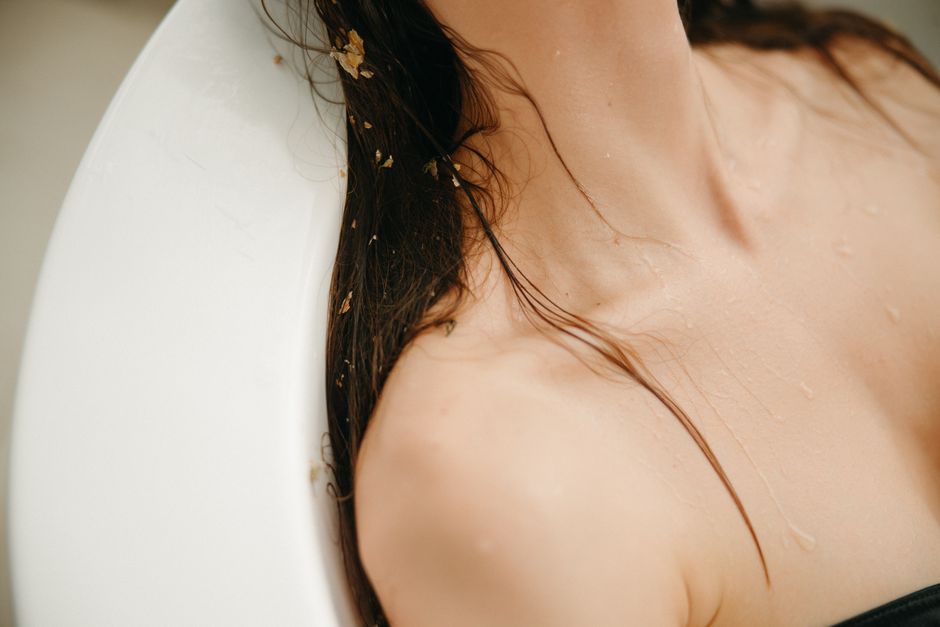
Dandruff affects nearly half of all adults at some point. The flaking, itching, and visible white scales on your scalp are not caused by poor hygiene. They are caused by a specific fungus that lives naturally on almost every human scalp.
That fungus is called Malassezia. It is a yeast that feeds on the natural oils your scalp produces. For most people, Malassezia causes no problems at all. But in some people, the yeast grows out of balance, and the scalp reacts with inflammation, faster skin cell turnover, and the flakes you see on your shoulders.
What Is The Dandruff Causing Fungus On Your Scalp?
Malassezia is a genus of fungi that naturally colonizes human skin. It is present on the scalps of more than 90 percent of healthy adults. It is not a sign of dirtiness or a contagious infection. Everyone carries it.
The yeast feeds on sebum, the oily substance your sebaceous glands produce. When your scalp produces more oil than usual, Malassezia has more food and multiplies faster. As it breaks down sebum, it produces oleic acid and other byproducts. In susceptible people, these byproducts irritate the skin.
The scalp responds by speeding up skin cell turnover. Normally, skin cells take about a month to mature and shed. In people with dandruff, that process can happen in just a few days. The result is clumps of dead skin cells that mix with oil and flake off.
This is not an infection in the traditional sense. It is an overgrowth of a normal skin organism that triggers an inflammatory reaction in some people. The fungus itself is not the direct cause of the flakes. The flakes are your immune system’s response to the fungus.
Why Does Malassezia Cause Dandruff In Some People But Not Others?
Malassezia is present on virtually every adult scalp. Yet only about half of adults ever develop dandruff. The difference comes down to individual sensitivity.
Some people’s immune systems react strongly to the byproducts Malassezia produces. Their skin becomes inflamed, itchy, and flaky. Other people carry the same fungus without any visible reaction. This is similar to how some people are allergic to pollen while others are not. The pollen is the same; the immune response is different.
Hormones also play a role. Androgens, the male sex hormones present in both men and women, increase sebum production. This is one reason dandruff is more common in men and tends to appear after puberty. Sebum production peaks in the late teens and twenties, which is why dandruff is most common in young adults.
Genetics likely matter too. Some research suggests that a family history of dandruff or seborrheic dermatitis increases your own risk. The specific genes involved are not fully understood, but the pattern is consistent.
Is Dandruff The Same As Seborrheic Dermatitis?
Dandruff and seborrheic dermatitis are closely related conditions caused by the same fungus. They exist on a spectrum of severity.
Dandruff is the mild form. It affects the scalp only, produces small white or gray flakes, and may cause some itching. It does not cause visible redness or inflammation of the skin itself.
Seborrheic dermatitis is the more severe form. It causes larger, greasy, yellowish flakes and visible redness and inflammation. It can spread beyond the scalp to the face, eyebrows, ears, chest, and other areas where sebaceous glands are dense.
Both conditions respond to the same treatments. Antifungal shampoos and anti-inflammatory agents work for both. The difference is mainly in severity and how much of the body is affected.
If you have redness, swelling, or flaking outside your scalp, that points toward seborrheic dermatitis rather than simple dandruff. A dermatologist can make the distinction and recommend appropriate treatment.


What Treatments Actually Work Against Malassezia?
Treatment for dandruff focuses on reducing the Malassezia population on your scalp and calming the inflammatory response. Over-the-counter shampoos are the first line of treatment.
Several active ingredients are proven effective against Malassezia. Ketoconazole is an antifungal that directly kills the yeast. It is available over-the-counter at 1 percent strength and by prescription at 2 percent. Zinc pyrithione also has antifungal properties and is found in many popular dandruff shampoos.
Selenium sulfide reduces yeast growth and slows skin cell turnover. Coal tar slows cell turnover and reduces scaling, though it has a strong odor and may stain light hair. Salicylic acid helps remove existing flakes but does not directly target the fungus.
Clinical studies show that ketoconazole and zinc pyrithione are consistently effective for most people. No single ingredient works for everyone. Many dermatologists recommend rotating between two different active ingredients if one stops working.
Shampoos need contact time to work. Most antifungal shampoos require leaving the lather on your scalp for three to five minutes before rinsing. Rinsing immediately dramatically reduces effectiveness.
How Often Should You Wash Your Hair For Dandruff?
Washing frequency depends on your scalp oiliness and which shampoo you use. There is no single correct answer for everyone.
For medicated dandruff shampoos, most products recommend use two to three times per week initially. Once dandruff is under control, many people can reduce to once weekly for maintenance. Ketoconazole shampoos are often used twice weekly for two to four weeks, then once weekly.
Daily washing with a gentle shampoo is also acceptable for many people. Washing removes excess oil that feeds Malassezia. It does not make dandruff worse, contrary to an old myth that frequent washing dries out the scalp and causes more flakes.
If your dandruff does not improve after four to six weeks of consistent use of an over-the-counter medicated shampoo, see a dermatologist. Prescription-strength options and additional treatments are available.
Can Dandruff Be Cured Permanently?
No. Dandruff is a chronic condition. It can be controlled but not permanently cured.
Malassezia will always be present on your scalp. It is part of the normal skin microbiome. The goal of treatment is to keep the yeast population low enough that your skin does not react. When you stop using antifungal shampoos, the yeast population returns to its previous level, and dandruff typically returns within a few weeks.
This is not a failure of treatment. It is how the condition works. Dandruff requires ongoing management, similar to how eczema or allergies require ongoing management.
Some people find their dandruff improves with age. Sebum production declines as you get older, which gives Malassezia less food. But there is no guarantee this will happen, and many adults continue to manage dandruff throughout their lives.
Does Diet Affect Malassezia And Dandruff?
The evidence on diet and dandruff is limited. No large, high-quality clinical trials have confirmed that any specific food causes or cures dandruff.
Some small studies suggest that certain foods may influence sebum production or inflammation. Diets high in refined carbohydrates and sugar may increase sebum production in some people. Foods rich in zinc, B vitamins, and omega-3 fatty acids are sometimes recommended based on their general anti-inflammatory properties.
However, no clinical evidence currently confirms that changing your diet will eliminate dandruff. The most reliable treatments remain topical antifungal products applied directly to the scalp.
If you suspect a food triggers your flare-ups, keep a symptom diary. Note what you eat and how your scalp responds over several weeks. This can reveal personal patterns that general studies miss.
Frequently Asked Questions
Is the dandruff fungus contagious?
No. Malassezia is present on nearly every adult scalp and is not transmitted from person to person. Dandruff is an immune reaction to a normal skin organism, not a contagious infection.
Can dandruff cause hair loss?
Dandruff itself does not directly cause hair loss. Severe itching and scratching can damage hair follicles, and untreated seborrheic dermatitis may contribute to shedding, but the fungus does not attack hair roots.
Why does dandruff come back after shampooing?
Antifungal shampoos temporarily reduce the Malassezia population but do not eliminate it. The yeast regrows as your scalp produces oil, so dandruff returns unless you continue using the treatment regularly.
Is dry scalp the same as dandruff?
No. Dry scalp produces small, dry, white flakes without oiliness or redness. Dandruff produces larger, oilier flakes and is caused by Malassezia overgrowth. Dry scalp usually responds to moisturizing, while dandruff requires antifungal treatment.
